Transform 5 Lemon Peels into Amazing Kitchen Hacks You Need to Try! 🍋✨
Transform Lemon Peels into Amazing Kitchen Hacks You Need to Try
- Introduction
- 1. Kitchen Cleaning Solutions
- 2. Natural Deodorizer
- 3. Cooking Flavor Enhancer
- 4. Common Mistakes to Avoid
- FAQ
- Conclusion
Introduction
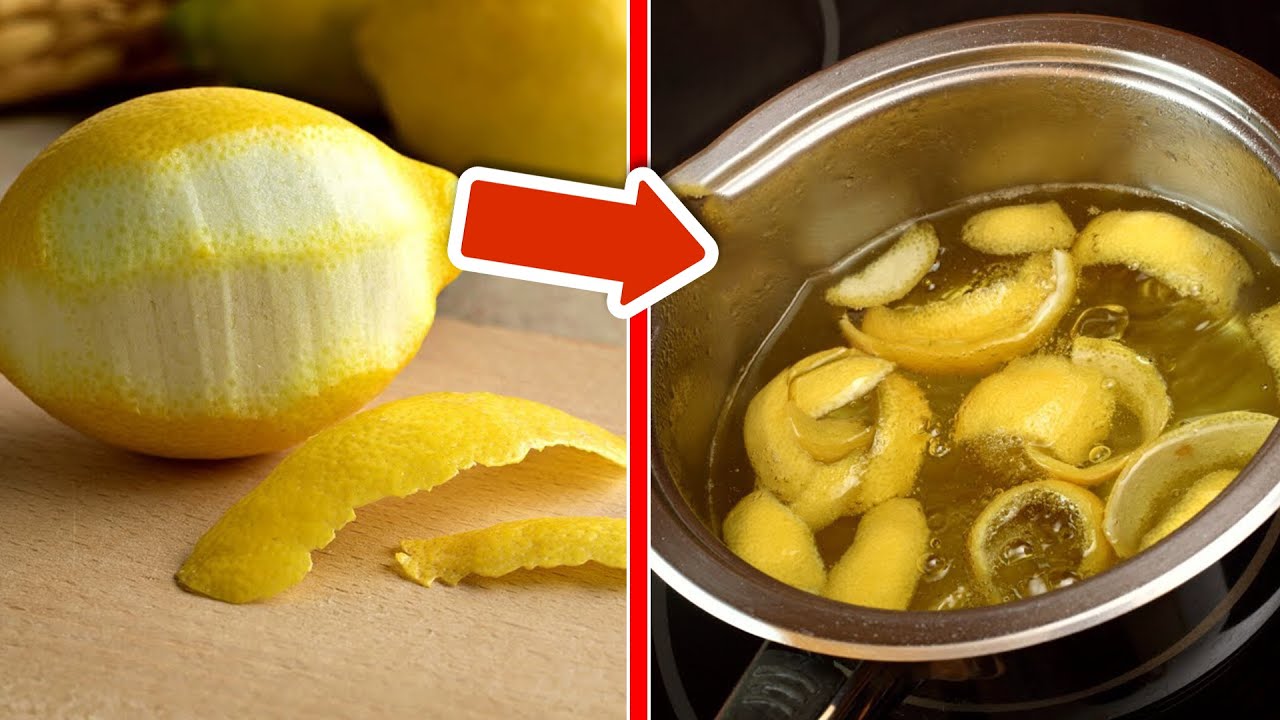
Have you ever found yourself tossing leftover lemon peels after squeezing out juice for your favorite recipe? Many people overlook the potential of these peels, which can become valuable assets in your kitchen. Instead of discarding them, consider their numerous uses that can enhance both your cooking and cleaning routines. From refreshing aromas to natural cleaning agents, lemon peels can serve various purposes. Continue reading to discover how you can utilize lemon peels effectively.
1. Kitchen Cleaning Solutions
Used lemon peels possess natural antibacterial properties and can be a powerhouse in kitchen cleaning. Here’s how to make the most of them:
1.1 Citrus-Infused Vinegar Cleaner
- Collect clean lemon peels.
- Add them to a jar and fill it with white vinegar.
- Seal the jar and let it sit for two weeks, shaking occasionally.
- Strain the mixture and transfer to a spray bottle.
This natural cleaner not only eliminates grime but also leaves a fresh scent in your kitchen.
1.2 Garbage Disposal Freshener
Keep your garbage disposal smelling fresh by using lemon peels. Simply:
- Cut the peels into small pieces.
- Run them through the disposal with cold water.
This will help eliminate odors while refreshing your disposal.
2. Natural Deodorizer
Lemon peels can create a clean and refreshing atmosphere in your home. Try these ideas:
2.1 Deodorize the Refrigerator
- Place dry lemon peels in an open bowl.
- Set the bowl in your refrigerator to absorb unwanted odors.
Replace the peels every few weeks for optimal freshness.
2.2 DIY Potpourri
Combine dried lemon peels with herbs and spices to create beautiful potpourri.
- Mix lemon peels with cinnamon sticks, cloves, and dried flowers.
- Place in decorative bowls around your home.
This not only enhances your décor but also fills your space with a zesty fragrance.
3. Cooking Flavor Enhancer
Lemon peels are a simple way to enhance flavors in your dishes. Try these culinary applications:
3.1 Zest for Cooking
Use a zester or grater to add fresh lemon zest to your recipes. Follow these steps:
- Wash the lemons thoroughly before peeling.
- Grate just the yellow part of the peel to avoid bitter white pith.
Add zest to baked goods, salads, and marinades for a vibrant citrus burst.
3.2 Flavorful Infusions
Lemon peels can also be used to brighten beverages. Here’s how:
- Add peels to tea or water for a refreshing twist.
- Infuse your favorite spirits, like vodka or gin, to create homemade flavored drinks.
This enhances the taste and can impress your guests.
4. Common Mistakes to Avoid
While lemon peels offer numerous benefits, here are some common mistakes to steer clear of:
- Using more white pith than necessary, which can result in a bitter flavor.
- Neglecting to wash lemons properly may lead to pesticide residue in your recipes.
- Storing lemon peels for too long can diminish their effectiveness; use them fresh whenever possible.
FAQ
Can I use lemon peels in cooking? Yes, lemon peels can be zested or infused to enhance the flavor of various dishes and beverages.
How long do lemon peels last? Fresh lemon peels can be stored in the fridge for about one week. For best results, use them promptly.
Are there any safety concerns with using lemon peels? It’s advisable to wash lemons thoroughly to avoid any pesticide residue, especially if using the peels in food.
Conclusion
By incorporating lemon peels into your routine, you can reduce waste and enhance your cooking and cleaning efforts. From natural cleaners to flavorful additions in your dishes, their potential is vast. How do you plan to use lemon peels in your home? Share your thoughts in the comments!