7 Reasons to Avoid Coconut Oil on Your Face for Perfect Skin
7 Reasons to Avoid Coconut Oil on Your Face for Perfect Skin
- Introduction
- Understanding Coconut Oil
- Potential Issues with Coconut Oil
- Common Mistakes When Using Coconut Oil
- Consider Alternatives for Skin Care
- FAQ
Introduction
Using coconut oil for skincare has become a popular trend, but what happens when it doesn’t yield the results you hoped for? You may experience issues like breakouts or irritation, leaving you frustrated and questioning your routine. It’s crucial to understand the impact coconut oil can have on your skin, especially if you’re prone to acne or sensitivity. In this article, we’ll explore seven key reasons why you might want to avoid coconut oil on your face and what you can do instead.
Understanding Coconut Oil
Coconut oil is often celebrated for its moisturizing properties and natural ingredients. However, it’s essential to recognize its composition and how it affects different skin types.
1. Composition of Coconut Oil
Coconut oil is primarily made up of saturated fats, particularly lauric acid. While some consider this beneficial for skin hydration, the heavy texture can create challenges for certain skin types.
2. Skin Types and Coconut Oil
Your skin type plays a significant role in its reaction to coconut oil. Those with oily or combination skin may find that its occlusive nature leads to clogged pores and irritation.
3. Effects on Sensitive Skin
If you have sensitive skin, the heavy, greasy residue may exacerbate your condition, leading to redness or breakouts. It’s vital to be cautious when introducing any new product.
Potential Issues with Coconut Oil
While some users swear by coconut oil, it’s essential to consider the potential drawbacks that can arise.
1. Clogged Pores
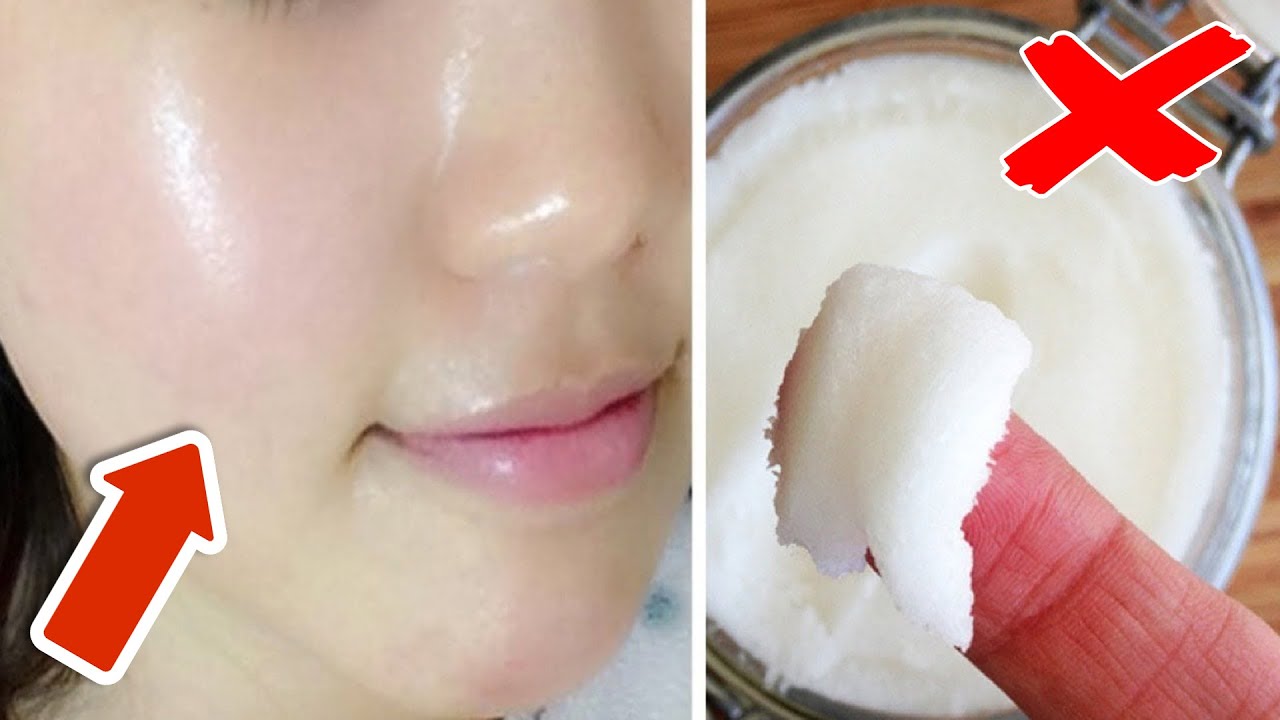
Using coconut oil can lead to clogged pores, especially if you have a history of acne. The thick consistency may trap dirt and bacteria.
2. Allergic Reactions
Some individuals may experience allergic reactions to coconut oil, resulting in rashes or other symptoms. Always perform a patch test before full application.
3. Dryness After Application
Interestingly, while coconut oil is moisturizing, it can sometimes leave the skin feeling dry after a few hours due to its occlusive nature. This can lead to more oil production, resulting in a cycle of breakouts.
4. Not Non-Comedogenic
Coconut oil is not rated as non-comedogenic, meaning it can clog pores. If you already battle with acne, this is a significant concern.
Common Mistakes When Using Coconut Oil
Knowing the potential issues is just the beginning. Here are some common mistakes to avoid when using coconut oil on your skin.
1. Using Pure Coconut Oil on Your Face
Applying pure coconut oil directly can be too heavy for facial skin. It’s better suited for body care or hair treatments.
2. Neglecting to Consider Skin Type
Failing to consider your skin type can lead to breakouts or irritation. Those with oily skin should be particularly cautious.
3. Skipping a Patch Test
Not testing coconut oil on a small area first is a common oversight. Always patch-test to see how your skin reacts before full application.
4. Overusing Coconut Oil
Using coconut oil too frequently may saturate your skin, leading to complications like clogged pores. Limit usage to see if your skin improves.
Consider Alternatives for Skin Care
If you want to maintain a healthy complexion without the drawbacks of coconut oil, several alternatives can be more suitable.
1. Jojoba Oil
Jojoba oil is an excellent alternative due to its lightweight texture and similarity to the skin’s natural oils, making it less likely to clog pores.
2. Argan Oil
Rich in essential fatty acids, argan oil provides hydration without the heaviness of coconut oil and is suitable for most skin types.
3. Aloe Vera
Aloe vera has calming properties and is an ideal moisturizer for sensitive skin. It hydrates without clogging pores.
FAQ
1. Is coconut oil safe for all skin types?
No, coconut oil may not be suitable for oily or acne-prone skin, as it can contribute to clogged pores and breakouts.
2. What is a good alternative to coconut oil for skin care?
Jojoba oil and argan oil are excellent alternatives that hydrate the skin without the heaviness of coconut oil.
3. Can coconut oil cause allergic reactions?
Yes, some individuals may experience allergic reactions to coconut oil, so it is crucial to perform a patch test before full application.
Conclusion
Understanding the reasons to avoid coconut oil can help you make better skincare choices. By exploring alternatives tailored to your skin type, you can achieve a healthier complexion. What are your favorite oils for skincare? Feel free to share your tips in the comments!