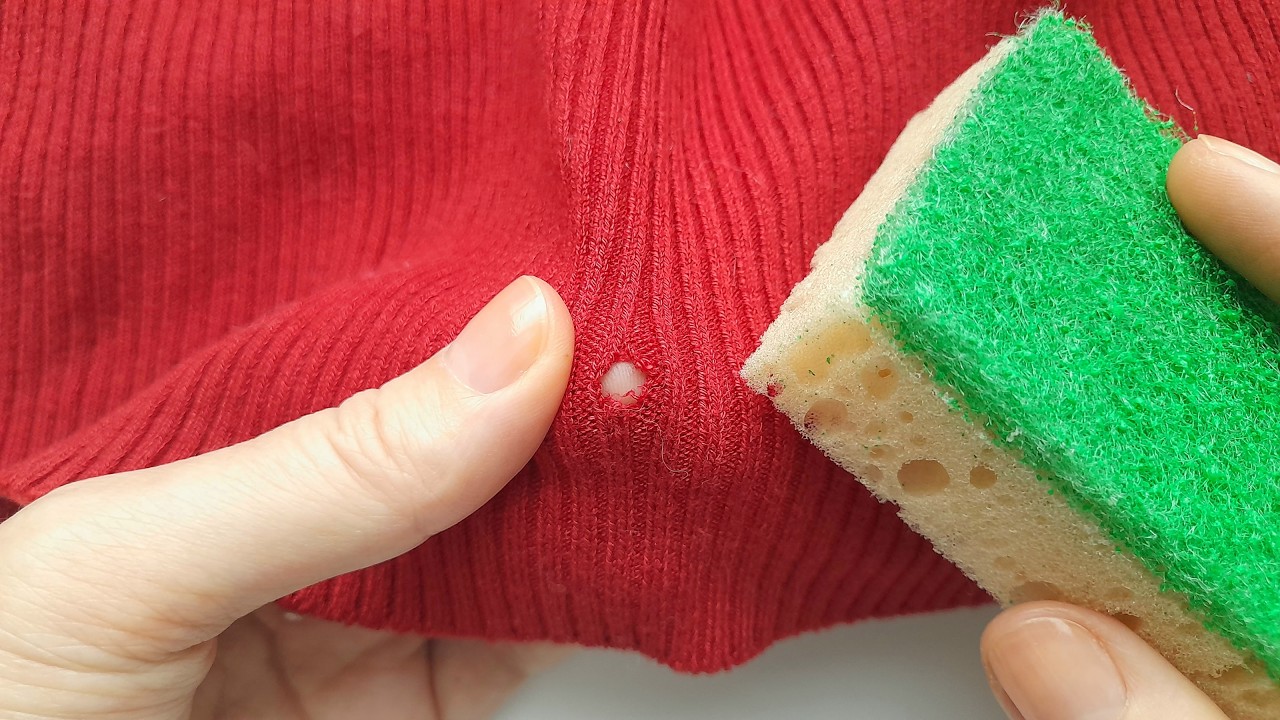
3 Unusual Ways to Fix Holes That Tailors Don’t Want You to Know!
3 Creative Ways to Repair Clothing Holes at Home
- Introduction
- Unique Repair Methods
- Materials You’ll Need
- Common Mistakes to Avoid
- Frequently Asked Questions
Introduction
Have you ever discovered a small hole in your favorite sweater or blouse, only to feel frustrated at the thought of expensive tailor repairs? Whether it’s a pesky moth bite or an accident with your handbag, such holes can feel disheartening. Most of us are unaware that there are several effective and simple ways to restore our beloved garments right at home. With a little creativity and some basic supplies, you can tackle these wardrobe dilemmas on your own. Let’s explore some imaginative methods that don’t involve a trip to the tailor.
Unique Repair Methods
Repairing clothing holes can be easier than you think, and there are several unconventional methods that you can try. Here are three creative techniques to consider:
1. Fabric Patches
Using fabric patches is not just practical; it can also add a unique design element to your clothing. This method is versatile for various types of fabrics and holes.
- Choose a fabric patch that complements your garment. Denim patches work great on jeans, while softer patches suit delicate fabrics.
- Cut the patch slightly larger than the hole to cover the area completely.
- Attach the patch using fabric glue or by sewing it around the edges, ensuring it holds securely.
2. Functional Darn
Darning is a traditional method that not only repairs holes but can also add a decorative touch. It’s ideal for knits and woven fabrics.
- Thread a needle with a matching or contrasting thread; choose one that complements your fabric.
- Weave the thread in and out over the hole, creating a criss-cross pattern that covers it securely.
- Finish by tying off the thread on the inside, ensuring it’s snug without being too tight.
3. Iron-On Transfers
Iron-on transfers are a fun way to embellish your clothing while fixing holes. They can also bring a personalized touch to your garments.
- Select an iron-on transfer design that matches your style.
- Position it over the hole, following the instructions on how to apply the transfer accurately.
- Iron it onto the fabric, ensuring it adheres firmly to conceal the hole.
Materials You’ll Need
Before diving into your repair projects, gather the necessary materials. Here’s a quick list:
- Fabric patches in various colors
- Sewing thread and needles
- Fabric glue
- Iron-on transfer designs
- Scissors
- Pins for securing patches
- Measuring tape
Common Mistakes to Avoid
While repairing clothing holes can be simple, there are common mistakes you’ll want to avoid to ensure a seamless finish:
- Not preparing the fabric properly can lead to uneven repairs. Always clean the area around the hole before beginning.
- Using the wrong type of thread can result in mismatched colors or poor durability. Make sure you choose a thread that’s appropriate for the fabric.
- Skipping the pre-test on a scrap piece of fabric may leave you with unwanted results. Always test your glue or iron-on transfers first.
Frequently Asked Questions
1. Can I repair holes in t-shirts or only in heavier fabrics?
Yes, you can repair holes in t-shirts! The methods mentioned above work on various fabrics, including lighter materials.
2. How long do these repairs last?
The durability of repairs depends on the method used and the frequency of wear. Proper application will ensure longer-lasting results.
3. Is it necessary to use a sewing machine for these repairs?
No, a sewing machine is not necessary. Hand sewing works perfectly fine for most of these methods.
Conclusion
Repairing holes in your clothing doesn’t need to be daunting. By utilizing fabric patches, darning, or iron-on transfers, you can restore your garments effectively and creatively. What unique methods have you tried for clothing repairs? Share your experiences in the comments below!