
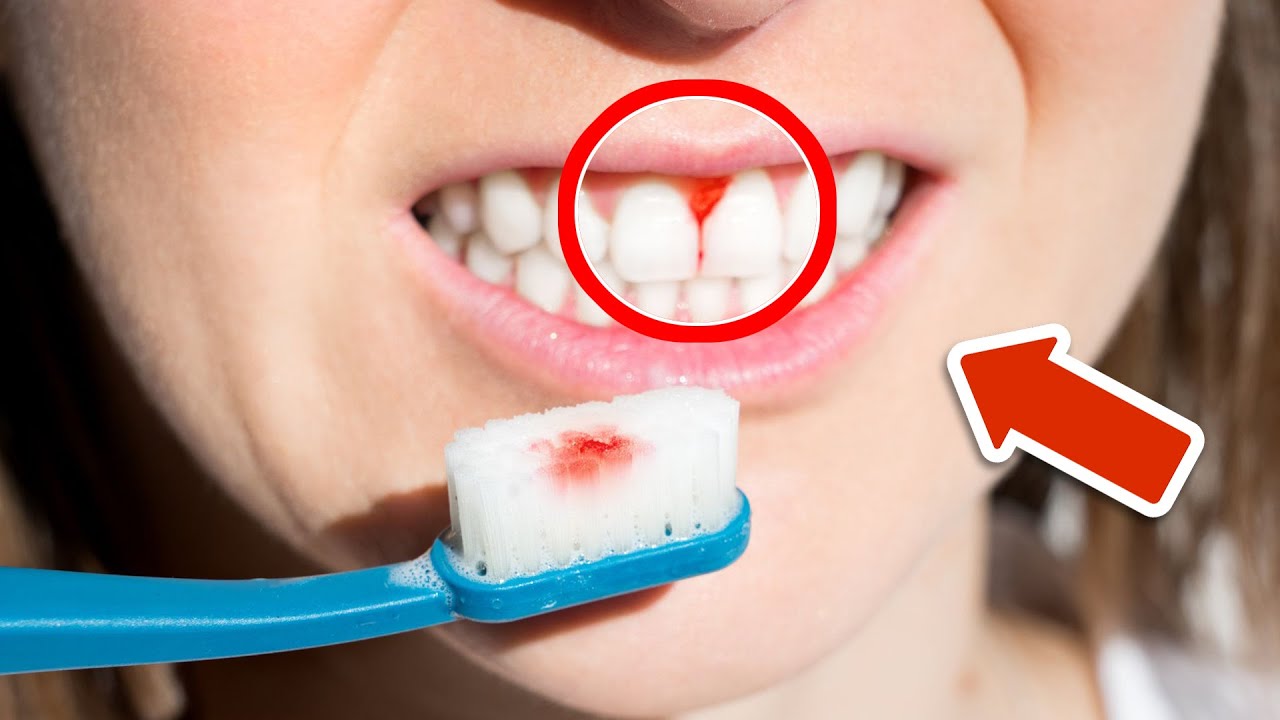
Discover 7 Shocking Reasons for Gum Bleeding You Didn’t Know About!
Understanding 7 Surprising Causes of Gum Bleeding
- Introduction
- Common Causes of Gum Bleeding
- Dental Hygiene Mistakes
- Systemic Conditions Affecting Gums
- Lifestyle Factors Contributing to Gum Issues
- Mistakes to Avoid
- FAQ
- Conclusion
Introduction
Have you recently noticed blood when brushing your teeth or while eating? This can be a concerning and uncomfortable situation that many people encounter at some point in their lives. While occasional gum bleeding might seem minor, understanding its root causes is essential for your oral health. You may be surprised to learn that factors beyond poor dental care can contribute to this issue. Let’s explore some unexpected reasons for gum bleeding that often go unrecognized.
Common Causes of Gum Bleeding
While you may think that only poor dental habits lead to bleeding gums, several other factors can be at play. Here are a few common causes you should consider.
1. Gum Disease
The most well-known cause of gum bleeding is gum disease, which includes gingivitis and periodontitis. These conditions result from plaque build-up and inflammation of the gums, leading to tenderness and bleeding.
2. Vitamin Deficiencies
Lack of essential vitamins, particularly vitamin C, can weaken your gums and lead to bleeding. A balanced diet rich in fruits and vegetables is crucial for maintaining gum health.
3. Hormonal Changes
Hormonal fluctuations during periods of menstruation, pregnancy, or menopause can make your gums more sensitive and prone to bleeding. Pay special attention to your oral health during these times.
Dental Hygiene Mistakes
Even when you’re diligent about your dental care, certain mistakes can lead to gum bleeding. Here are some key things to consider.
1. Using the Wrong Toothbrush
A hard-bristled toothbrush can be too abrasive on your gums. Opt for a soft-bristled brush to prevent unnecessary irritation while effectively cleaning your teeth.
2. Incorrect Brushing Technique
If you brush aggressively or use poor technique, you may inadvertently harm your gums. Use gentle, circular motions and avoid applying too much pressure.
3. Skipping Flossing
Flossing is crucial for removing food particles and plaque from between your teeth. Neglecting this step can result in gum disease and bleeding. Make it a routine part of your dental hygiene.
Systemic Conditions Affecting Gums
Your overall health can significantly influence your gum health. Here are some systemic conditions that may lead to gum bleeding.
1. Diabetes
People with diabetes are at a higher risk for gum disease due to reduced blood flow and immune response. Keeping your blood sugar levels under control can help maintain gum health.
2. Blood Disorders
Conditions like hemophilia and thrombocytopenia can make it difficult for your body to clot, leading to increased bleeding in the gums. If you have these conditions, consult your healthcare provider for tailored advice.
3. Autoimmune Diseases
Autoimmune disorders like lupus and rheumatoid arthritis can also affect your gums. These conditions often lead to heightened inflammation and more vulnerable gum tissue.
Lifestyle Factors Contributing to Gum Issues
Your daily habits can play a significant role in your gum health. Here are some lifestyle factors that you should be aware of.
1. Smoking and Tobacco Use
Tobacco products can greatly increase your risk of gum disease and bleeding. Quitting can improve not only your overall health but also the condition of your gums.
2. Poor Nutrition
A diet low in essential nutrients can weaken your immune system, making it harder for your body to fight off infections, including those affecting your gums. Focus on a well-rounded diet rich in vitamins and minerals.
3. Stress Management
High-stress levels can negatively impact your immune system and oral health. Engage in stress-reducing activities such as yoga, meditation, or spending time in nature to support your overall well-being.
Mistakes to Avoid
When addressing gum health, there are specific mistakes to avoid that can exacerbate the issue.
1. Ignoring Symptoms
Many people overlook minor symptoms, thinking they will resolve on their own. Ignoring early signs can lead to more serious conditions.
2. Self-Medicating
While natural remedies may be effective, assuming they will replace professional treatments can be detrimental. Always consult with a healthcare professional for guidance.
3. Overlooking Routine Check-Ups
Regular dental check-ups are critical for spotting potential issues before they escalate. Don’t skip these appointments out of convenience.
FAQ
What are the most common symptoms of gum disease?
The most common symptoms of gum disease include red, swollen gums, bleeding while brushing or flossing, and persistent bad breath.
How can I prevent gum bleeding?
Maintaining good dental hygiene, eating a balanced diet, and avoiding tobacco products can help prevent gum bleeding.
When should I see a dentist for gum bleeding?
If you experience persistent gum bleeding, it’s important to consult a dentist for proper evaluation and treatment.
Conclusion
Understanding the various factors that can lead to gum bleeding is vital for maintaining your oral health. By recognizing the causes and making necessary adjustments, you can help protect your gums. Have you experienced any surprising causes of gum bleeding in your own life? Feel free to share your thoughts in the comments below.