6 Signs You Should Stop Drinking Coffee Immediately for Better Health!
6 Signs You Should Stop Drinking Coffee Immediately for Better Health
- Signs of Coffee Overconsumption
- Impact of Coffee on Your Health
- Understanding Caffeine Sensitivity
- Tips to Quit Drinking Coffee
- Common Mistakes to Avoid
- FAQs
Many people start their day with a steaming cup of coffee, believing it to be an essential ritual. However, if you experience certain sensations or health issues, it may be time to reconsider this habit. You might find that feelings of anxiety, sleeplessness, or digestive problems start to take their toll. Recognizing the signs that your body is reacting negatively to coffee can lead to better health choices. Read on to discover the potential indicators that you may need to adjust your coffee consumption.
Signs of Coffee Overconsumption
Identifying when your coffee intake is affecting your health is crucial. Here are several signs that might indicate it’s time to reconsider your daily cup (or cups).
1. Increased Anxiety Levels
Feeling jittery and anxious after drinking coffee is a common complaint. If you notice that your heart races or you find it hard to relax, it’s worth reflecting on the amount of caffeine you’re consuming.
2. Trouble Sleeping
Struggling to fall asleep or stay asleep could be a sign that coffee is disrupting your sleep patterns. Consuming caffeine even earlier in the day can negatively impact your nighttime rest.
3. Digestive Issues
Experiencing upset stomach or increased acid reflux may be linked to your coffee habit. Caffeine can stimulate stomach acid production, leading to discomfort.
4. Constant Fatigue
If you feel fatigued despite drinking coffee, it may be sending your body mixed signals. The temporary caffeine boost may lead to a crash later, leaving you more tired than before.
5. Headaches or Migraines
Frequent headaches can sometimes result from excessive caffeine consumption, especially if you try to cut back suddenly. Your body might be signaling that you need to reduce your intake.
6. Increased Heart Rate
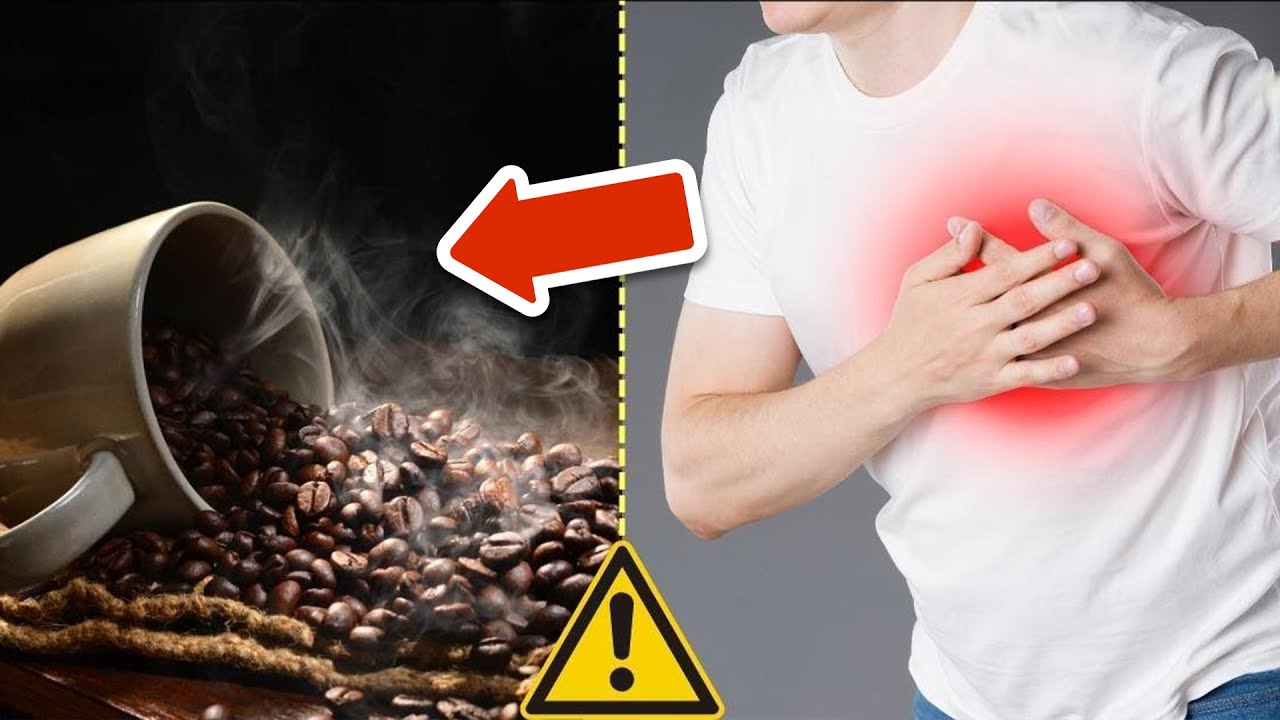
Noticing a rapid heartbeat after coffee consumption is another sign that your body may be reacting poorly to caffeine. It could lead to palpitations or even increased blood pressure if left unchecked.
Impact of Coffee on Your Health
Coffee is a popular beverage with many purported health benefits, but excessive consumption can lead to adverse effects. Understanding how coffee affects your health can empower you to make informed decisions about your intake.
Benefits of Moderation
In moderation, coffee may provide several health benefits, including improved cognitive function and a lower risk for certain diseases. However, it’s essential to recognize when those benefits are outweighed by negative reactions.
Long-term Effects of Excess Caffeine
Chronic overconsumption of caffeine can result in oscillating energy levels, increased stress hormones, and even dependency on coffee for productivity. Recognizing these long-term effects can motivate you to rethink your coffee habits.
Balancing Your Beverage Choices
Consider exploring alternatives to coffee that can provide energy without the negative side effects. Herbal teas, for example, can offer gentle stimulation without the caffeine crash.
Understanding Caffeine Sensitivity
Everyone reacts differently to caffeine due to various factors, including genetics and lifestyle. Recognizing your own sensitivity to caffeine can help you tailor your coffee intake.
Identifying Your Sensitivity
Some individuals may experience heightened sensitivity to caffeine, leading them to feel nervous or anxious even with a small amount. Keep track of how you feel post-consumption to assess where you stand.
Genetic Influences
Your genetic makeup can play a role in how well you metabolize caffeine. Knowing your family history regarding caffeine sensitivity can inform your decisions about your coffee intake.
Life Stages and Sensitivity
It’s important to note that life’s circumstances, like pregnancy or increased stress, can heighten sensitivity. Adapting your coffee habits accordingly can contribute to better overall health.
Tips to Quit Drinking Coffee
If you’ve recognized the signs of coffee overconsumption, here are several effective strategies to help you transition away from coffee.
1. Gradually Reduce Intake
Rather than quitting cold turkey, consider reducing your coffee consumption gradually. This method can ease withdrawal symptoms and make the transition smoother.
2. Substitute with Alternatives
Explore alternatives such as herbal teas or decaffeinated coffee. These options can provide a comforting beverage without the caffeine-related health issues.
3. Stay Hydrated
Water plays a crucial role in combating fatigue and ensuring overall wellness. Make sure to drink plenty of water throughout the day to support your body’s needs.
Common Mistakes to Avoid
Transitioning away from coffee can come with its own set of challenges. Being aware of common mistakes can help create a more successful outcome.
Avoiding Caffeine in Other Products
Many people forget that caffeine is found in products like chocolate and various sodas. Reading labels to avoid additional sources of caffeine is essential.
Neglecting Sleep Hygiene
Even if you cut out coffee, poor sleep habits can hinder your sleep quality. Prioritize good sleep hygiene by establishing a routine and creating a conducive sleep environment.
Being Inconsistent
Transitioning away from coffee requires commitment. Consistency in your new beverage choices and habits is key to making a successful change.
FAQs
What are the health risks of drinking too much coffee?
Excessive coffee consumption can lead to insomnia, anxiety, digestive issues, and increased heart rate, among other health concerns.
How can I naturally boost my energy without coffee?
Consider alternatives like herbal teas, nutritious snacks, and maintaining hydration to naturally boost your energy levels without relying on coffee.
Is it safe to quit coffee abruptly?
While some people can quit coffee abruptly, it’s often safer and more comfortable to gradually reduce intake to avoid withdrawal symptoms.
Recognizing the signs that it might be time to stop drinking coffee can lead to improved health and well-being. By understanding your own caffeine sensitivity and following helpful tips, you can transition away from coffee successfully. Have you noticed any signs in your own coffee consumption? Share your experiences in the comments below!