5 Genius Sewing Tricks That Will Revolutionize Your DIY Game!
5 Genius Sewing Tricks to Elevate Your DIY Projects
- Preparation Tips for Successful Sewing
- Practical Sewing Techniques
- Creative Sewing Hacks
- Common Sewing Mistakes to Avoid
- FAQs about Sewing Tricks
Sewing can often seem daunting, especially when you’re trying to tackle that DIY project you’ve had in mind. You may find yourself dealing with unexpected fabric issues, tangled threads, or tricky techniques that just don’t seem to work. It’s during these moments of frustration that a few clever sewing tricks can truly make a difference. Discover how these insights can transform your approach to DIY sewing.
Preparation Tips for Successful Sewing
Before you dive into sewing, proper preparation can save you a lot of time and effort. Here are some essential tips to ensure you start on the right foot:
1. Choose the Right Fabric
Selecting the fabric is a crucial first step. Make sure it suits the project you are working on. Cotton is great for beginners, while stretch fabrics may require more experience. Be mindful of fabric weights, as they can affect your sewing results.
2. Invest in Quality Tools
Using proper tools can enhance your sewing experience significantly. Invest in good scissors, pins, and needles. Organizing your workspace with a dedicated sewing kit can keep everything within reach and make your project flow smoothly.
3. Pre-wash Your Fabric
Washing your fabric before sewing can prevent shrinking and color bleeding later on. Always check the care instructions for your fabric and wash it accordingly. This step is especially important for clothes you intend to wear.
Practical Sewing Techniques
Once you’re prepared, it’s time to refine your sewing techniques. Here are some important tips that can elevate your sewing skills:
1. Use a Straight Stitch for Beginners
A straight stitch is the fundamental stitch used in most sewing projects. Mastering it allows you to create clean seams. When starting, practice on scrap fabric to ensure your stitch length is even.
2. Secure Your Threads
Securing your threads is essential to prevent unraveling. Use a backstitch at the beginning and end of your seams. This technique provides extra strength, especially in stress points of your projects.
3. Iron as You Go
Ironing your fabric helps flatten seams and give your projects a professional finish. Set your iron to the appropriate heat setting for your fabric type and press as you sew. It makes a noticeable difference in the final look.
Creative Sewing Hacks
In addition to traditional techniques, there are many creative hacks you can incorporate into your sewing routine:
1. Use Binder Clips Instead of Pins
If you’re working with thicker fabrics or layers, consider using binder clips instead of pins. They hold the fabric together securely and won’t puncture the material, making them an ideal solution.
2. Create a Sewing Guide
Mark your sewing lines with tailor’s chalk or a fabric marker to ensure a straight stitch every time. Creating guides on your sewing machine’s plate can also help you maintain consistent seam widths.
3. Repurpose Old Clothes
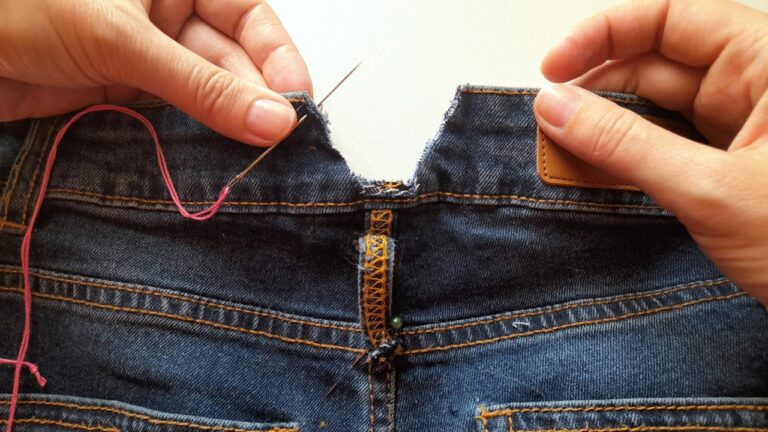
Instead of tossing out old clothes, consider repurposing them into new items. Creative recycling can turn a worn-out shirt into a stylish tote bag or cut jeans into trendy fabric coasters.
Common Sewing Mistakes to Avoid
Even seasoned sewers can make mistakes. Here are some common pitfalls to be aware of:
1. Ignoring Seam Allowances
Failing to account for seam allowances can lead to ill-fitting garments. Always check the pattern instructions for recommended seam widths before cutting your fabric.
2. Not Testing on Scrap Fabric
Jumping straight into a project without testing can result in costly errors. Always try any new techniques on a piece of scrap fabric before proceeding with your main project.
3. Skipping the Ironing Step
Neglecting to press your seams can result in bulky, uneven edges. Always take the time to iron your fabric during the sewing process to maintain a professional finish.
FAQs about Sewing Tricks
Q: What is the best thread for beginners?
A: Cotton thread is generally the best choice for beginners, as it’s easy to work with and compatible with most fabrics.
Q: How can I prevent my fabric from slipping?
A: Using a walking foot can help prevent fabric from slipping while sewing, especially on layers or slippery materials.
Q: What is a common way to fix a loose stitch?
A: Adjusting the tension on your sewing machine can often solve the issue of loose stitches. Make small adjustments and test on scrap fabric.
By incorporating these sewing tricks into your projects, you can enhance your skills and achieve better results. Which sewing hack are you excited to try in your next project?