Revive 7 Rotten Orchids Instantly with This Simple Trick! 🌸
Revive Your Rotten Orchids Instantly with This Simple Trick
- Understanding Orchid Needs
- Common Problems with Orchids
- Revival Technique for Your Orchids
- Mistakes to Avoid When Caring for Orchids
- FAQ
Understanding Orchid Needs
Owning an orchid can be quite rewarding, but many plant enthusiasts encounter challenges. You might find that your beautiful orchids aren’t blooming as expected or, worse, they’re looking quite wilted. Recognizing their specific needs is essential for their care. Each variety of orchid has distinct requirements in terms of light, water, and humidity. Ensuring that you provide the correct conditions is crucial for their revival. Understanding these elements can significantly increase your chances of reviving any distressed orchids. Let’s explore the basic needs of orchids further.
Light Requirements
Orchids typically thrive in bright, indirect sunlight. Overexposure or too little light can lead to stress. Position your orchids near a window but filter the sunlight with sheer curtains to maintain optimal light levels.
Watering Practices
Knowing when and how to water your orchids is vital. Overwatering is a common issue and can lead to root rot. A good rule of thumb is to water them every 1 to 3 weeks, allowing the top layer of soil to dry out before the next watering.
Humidity and Temperature
These plants prefer higher humidity levels—around 40-70% is ideal. You can increase humidity by misting them or placing a tray of water nearby. Maintaining a stable temperature between 65°F and 75°F helps prevent drooping or wilting.
Common Problems with Orchids
Before tackling revival techniques, it’s essential to identify the common problems that may affect your orchids. Recognizing these symptoms could save your plants from further decline.
Leaf Discoloration
Yellowing or browning leaves can indicate overwatering or inadequate light. Check the root system for rot if you notice these signs, as healthy roots are the foundation of a thriving orchid.
Pest Infestations
Look out for visible pests, such as aphids and mealybugs. These can significantly weaken your plants and hinder their revival. Regular checks can help you catch infestations early.
Lack of Flowers
If your orchids are failing to bloom, they may not be receiving enough light or nutrients. Ensuring proper care and using appropriate fertilizers can provide a boost.
Revival Technique for Your Orchids
Once you have assessed the needs and problems of your orchids, it’s time to implement a straightforward revival technique to breathe new life into them.
Gather Necessary Materials
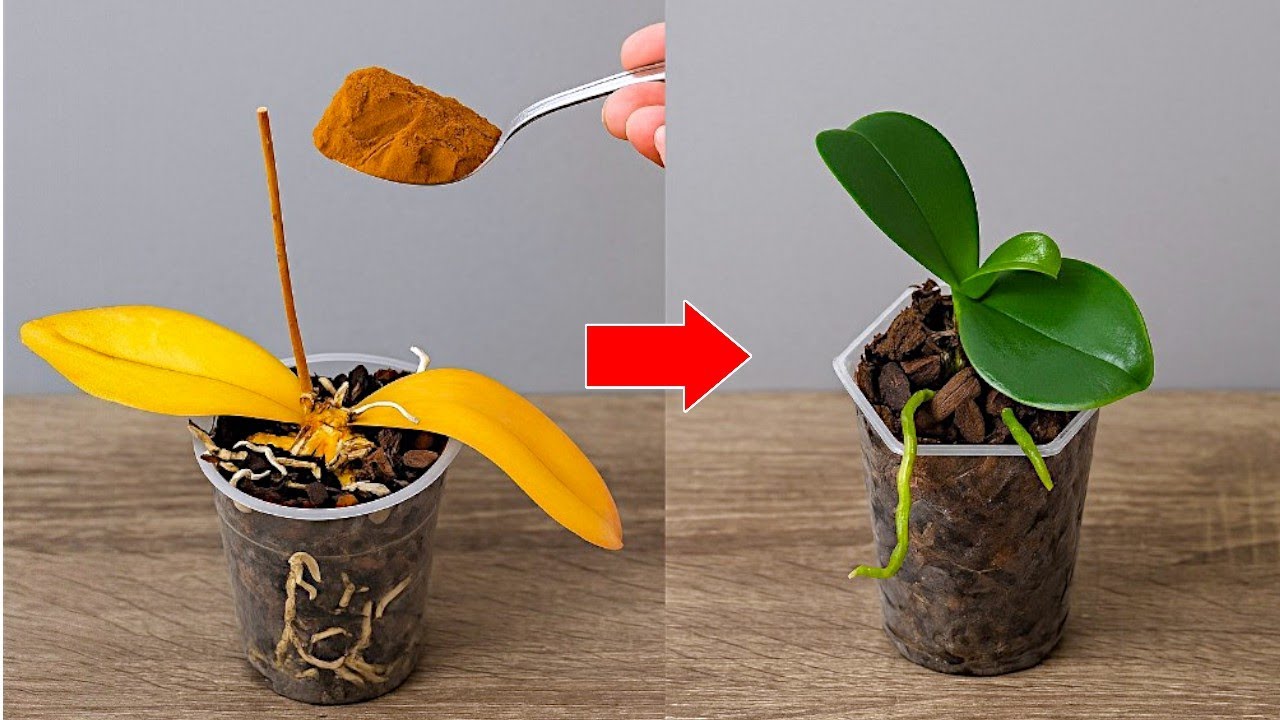
- Remove the orchid from its pot carefully to inspect the root system.
- Trim any dead or rotting roots, cutting back to healthy areas.
- Soak the healthy roots in a mixture of water and a few drops of natural plant fertilizer for about 30 minutes.
Repotting Your Orchid
After soaking, repot the orchid using fresh potting media designed specifically for orchids. Ensure it drains well, as proper drainage is crucial for preventing future rot.
Optimal Care Post-Revival
Place the repotted orchid in a location with bright, indirect sunlight. Continue to monitor the watering needs and maintain humidity levels. For the first few weeks, avoid fertilizing to allow the roots to adjust.
Mistakes to Avoid When Caring for Orchids
Caring for orchids can be tricky, and there are some common pitfalls you should be aware of to ensure their successful revival.
- Overwatering: This is the primary cause of orchid decline. Always allow the soil to dry out between watering.
- Ignoring humidity: Orchids thrive in humid environments—don’t neglect this need.
- Using regular potting soil: Standard soil can suffocate roots; use specific orchid media to promote airflow.
- Neglecting pest control: Regularly check your plants for pests to prevent infestations from damaging them.
FAQ
How often should I water my orchids?
Water your orchids every 1 to 3 weeks, making sure to let the top layer of soil dry out before watering again.
What should I do if my orchid’s leaves are yellow?
Yellowing leaves may indicate overwatering or insufficient light. Check the moisture level and adjust the light exposure accordingly.
Can I use regular fertilizer on my orchids?
It’s advisable to use a fertilizer specifically designed for orchids, as they have different nutrient needs than regular houseplants.
Conclusion
By understanding the needs of your orchids and following a simple revival technique, you can restore their beauty and vitality. Have you experienced challenges with your orchids, and how did you tackle them? Share your thoughts in the comments!