7 Unexpected Steps to Unclog Your Toilet with PVC Pipe and an Old Car Valve!
7 Effective Steps to Unclog Your Toilet with PVC Pipe and an Old Car Valve
- Introduction
- Understanding the Clog Issue
- Gathering Your Materials
- Step-by-Step Guide to Unclogging
- Common Mistakes to Avoid
- FAQ
- Conclusion
Introduction
Picture this: it’s the end of a long day, and you’re ready to relax when you discover your toilet is clogged. The usual plunger isn’t cutting it, and you’re left wondering what to do next. Fortunately, you can tackle this issue using a PVC pipe and an old car valve. This approach is not only practical but can also save you from calling a plumber. Let’s explore how you can effectively resolve this common household problem.
Understanding the Clog Issue
Before diving into the solution, it’s important to understand why your toilet gets clogged in the first place.
Causes of Toilet Clogs
- Excessive toilet paper usage
- Non-flushable items accidentally dropped in
- Tree roots infiltrating plumbing systems
Understanding these causes can help prevent future clogs and ensure you handle the current situation more effectively.
Signs of a Serious Clog
While a minor clog can usually be handled at home, sometimes the issues run deeper. Watch for:
- Persistent water backup
- Unpleasant odors from the toilet
- Water rising in the bowl without draining
Gathering Your Materials
To unclog your toilet using PVC pipe and an old car valve, you will need some specific materials. Gather the following:
- 1-piece of PVC pipe (about 3-4 feet in length)
- 1 old car valve
- Rubber gloves
- A bucket to catch excess water
Choosing the Right PVC Pipe
Make sure the PVC pipe is flexible enough to navigate through the toilet’s bend. A thicker gauge pipe often works best, as it can withstand force without bending or breaking.
Preparing the Old Car Valve
Ensure the car valve is clean and free from debris, as you want it to create a proper seal while applying pressure to the clog.
Step-by-Step Guide to Unclogging
Follow these 7 effective steps to unclog your toilet:
- Put on your rubber gloves to protect your hands.
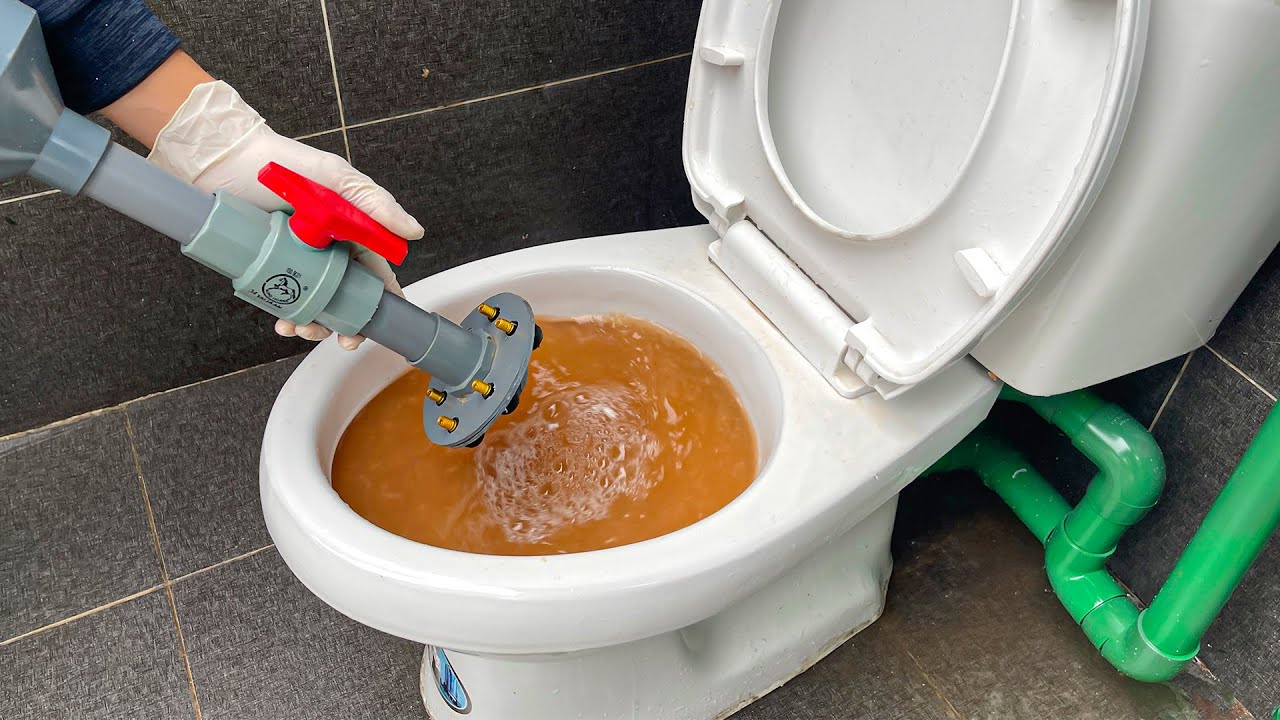
- Insert the PVC pipe into the toilet bowl, tilting it toward the drain.
- Attach the old car valve to the end of the PVC pipe to create a tight seal.
- Push down firmly on the valve to build up air pressure.
- Release the valve sharply to force air into the clog.
- Observe whether the water begins to drain; if not, repeat steps 3-5.
- Flush the toilet to check if it’s unclogged.
Practical Tips for Success
If the clog persists, consider letting the PVC pipe sit for a few minutes before trying again. Sometimes, a little patience is all you need!
Testing for Success
Once you’ve completed these steps, flush the toilet. If the water drains smoothly, you’ve successfully unclogged it.
Common Mistakes to Avoid
When attempting to unclog your toilet, avoid these common pitfalls:
- Using too much force, which can damage the plumbing.
- Neglecting to wear gloves, exposing yourself to unpleasant materials.
- Forgetting to check the angle of the PVC pipe, potentially causing more obstruction.
- Relying solely on the valve pressure without assessing the clog thoroughly.
- Skipping the prep work – a clean car valve is crucial for effective unclogging.
FAQ
How do I know if the clog is cleared?
Flush the toilet to see if the water drains smoothly. If it does, the clog has likely been cleared.
Can I use other materials instead of PVC pipe?
While PVC pipe is effective, you can also try a flexible drain snake, which bends easily and can reach blockages more effectively.
What should I do if the clog doesn’t clear?
If multiple attempts to unclog are unsuccessful, it may be best to consult a plumber, as there could be a more serious issue in your plumbing.
Conclusion
Successfully unclogging your toilet using PVC pipe and an old car valve can save you time and stress. Remember to gather your materials and avoid common mistakes for a smoother process. What methods have you tried for unclogging your toilet? Share your experiences in the comments below!