Say Goodbye to Cockroaches: 5 Clever Charcoal Hacks That Work!
Effective Charcoal Hacks to Say Goodbye to Cockroaches
- Understanding the Cockroach Problem
- What is Activated Charcoal?
- Clever Charcoal Hacks
- Common Mistakes to Avoid
- FAQ
Understanding the Cockroach Problem
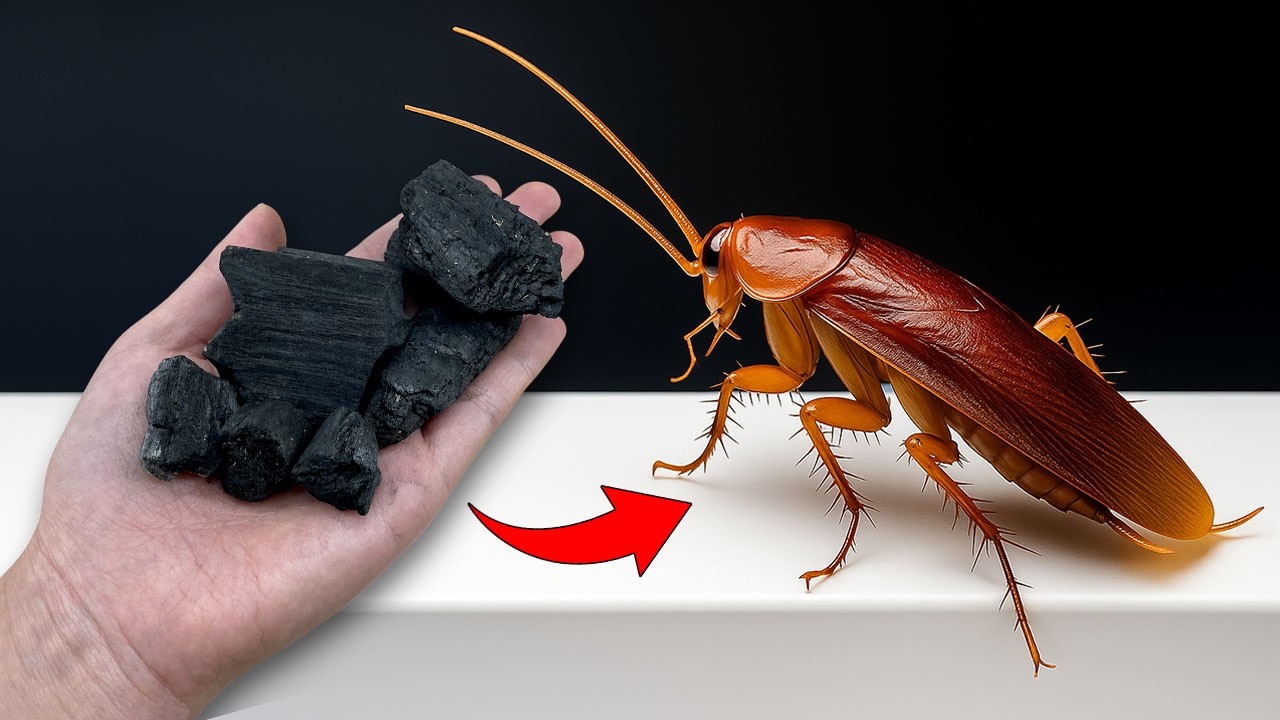
Encountering a cockroach scuttling across your kitchen can be both alarming and frustrating. These resilient pests are not just a nuisance; they can also pose health risks, contaminating food and surfaces. You might find remnants of their presence in the form of droppings or an unsettling smell. Addressing a cockroach issue often requires a multi-faceted approach, and knowing where to start can be overwhelming. If you’re searching for ways to tackle this problem naturally, read on to discover insights about a surprising ally in pest control: charcoal.
What is Activated Charcoal?
Activated charcoal is a form of carbon that has been processed to make it extremely porous. This unique structure allows it to attract and trap toxins, bacteria, and impurities, making it popular in various applications, from water filtration to skincare. In the context of pest control, its absorptive properties can create an inhospitable environment for cockroaches. Let’s explore how you can utilize activated charcoal effectively.
Clever Charcoal Hacks
Here are five actionable methods for using activated charcoal to bid farewell to cockroaches in your home:
- Create a Charcoal Trap:
- Take a shallow container and fill it with a mixture of water and dish soap.
- Add activated charcoal into the water, creating an optimal attractant for cockroaches.
- Place the container in areas where you’ve noticed cockroach activity.
- Use Charcoal Pouches:
- Purchase or make small pouches filled with activated charcoal.
- Strategically place these pouches in cabinets, corners, and hidden spaces where cockroaches might hide.
- Apply in Cracks and Crevices:
- Sprinkle activated charcoal powder into small cracks, around pipes, and in areas where roaches are likely to enter.
- This will deter them from entering these spaces.
- Charcoal in Trash Bins:
- Place a few pieces of activated charcoal at the bottom of your trash bins.
- This will absorb odors, reducing the attraction for cockroaches.
- Homemade Repellent Spray:
- Mix activated charcoal powder with water in a spray bottle.
- Spray around problem areas to create an unfriendly environment for cockroaches.
Common Mistakes to Avoid
While using activated charcoal can be effective, there are common pitfalls to avoid:
- Overlooking Cleanup: Regularly clean up food and crumbs in your kitchen, as activated charcoal won’t substitute for good sanitation practices.
- Improper Placement: Ensure traps and pouches are positioned in areas with high cockroach activity for optimal results.
- Neglecting Other Methods: Combine charcoal usage with other natural deterrents like essential oils for comprehensive pest control.
FAQ
How does activated charcoal help with cockroach problems?
Activated charcoal traps moisture and odors, making environments less appealing to cockroaches.
Can I use regular charcoal instead of activated charcoal?
No, regular charcoal does not have the same porous properties as activated charcoal and is less effective.
How often should I replace the charcoal?
Replace the charcoal every 2 to 3 weeks for continued effectiveness.
Conclusion
By incorporating these charcoal hacks into your pest control routine, you can effectively reduce the presence of cockroaches in your home. Remember to maintain cleanliness and use other methods alongside charcoal for the best results. What have your experiences been with cockroach control techniques? Share your thoughts in the comments below!