Top 100 Plants for Clay Soil: Best Vegetables, Flowers, and Trees
Top 100 Plants for Clay Soil: Best Vegetables, Flowers, and Trees
The type of soil in your garden significantly influences the plants you can successfully grow. One of the most common soil types is clay, often referred to as heavy clay. While some gardeners may be discouraged by clay soil, it can be manageable and rewarding if you choose the right plants and utilize effective gardening techniques. In this article, I will highlight 100 plant options for clay soil, including trees, shrubs, annual fruits and vegetables, and perennial flowers.
Understanding Clay Soil
Do You Have Clay Soil?
The first step is to determine whether your garden contains clay soil. Understanding your soil is vital for effective management and plant selection.
- Clay soil is characterized by particles smaller than 0.002mm, distinguishing it from silt and sandy soils.
- Common signs of clay soil include:
- Puddles that linger after rain.
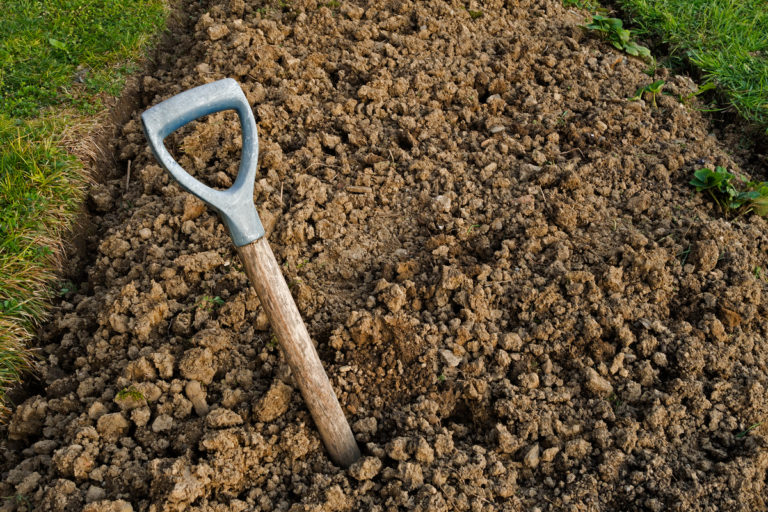
- Soil that becomes hard and cracks during dry spells.
- Dense, challenging soil to dig.
Testing Your Soil
You can test your soil with a simple method:
- Take a handful of soil and add water. If you can form it into a ball and shape it into a bendable “sausage,” you have clay soil.
- Alternatively, place soil in a jar with water and observe the layers after 24 hours.
Identifying Clay Soil by Weeds
The types of weeds thriving in your garden can also indicate clay soil:
- Dandelions
- Plantain
- Chicory
- Coltsfoot
- Bermuda grass
The Pros and Cons of Clay Soil
While clay soil presents challenges, it also has significant advantages:
- Challenges include:
- Prone to waterlogging.
- Heavy and difficult to work.
- Freezes quickly in winter.
- Advantages include:
- Highly fertile and nutrient-retentive.
Improving Clay Soil
Despite clay soil’s limitations, proper management can transform it into a more workable medium:
1. Adopt a No-Dig Approach
A no-dig gardening approach minimizes soil disturbance, helping to maintain soil health.
2. Incorporate Organic Material
Layer organic materials on top of the soil to improve texture and drainage without traditional digging methods.
3. Manage Water Effectively
Effective water management, such as creating rain gardens or installing land drains, can combat waterlogging.
4. Prevent Soil Compaction
Choosing deep-rooted plants can help aerate clay soil, while avoiding trampling growing areas is crucial.
5. Protect Soil During Winter
Plant winter cover crops to enrich the soil and prevent winter damage.
Best Plants for Clay Soils
Choosing the right plants necessitates consideration of your unique garden characteristics, including climate and microclimate. Below, I’ve categorized the best plants that typically thrive in clay soils.
25 Trees for Clay Soils
- Apple Trees
- Pear Trees
- Cherry Trees
- Black Walnut
- White Oak
- Birch
- Alder
- Hawthorn
- Serviceberry
- Magnolia
- Crabapple
- Elderberry
- Rowan
- Quince
- Sweetgum
- Red Maple
- Laburnum
- Juniper
- Pines
- Aspen
- Strawberry Tree (Arbutus unedo)
- American Sycamore
25 Shrubs and Climbers for Clay Soils
- Roses
- Hydrangeas
- Lilacs
- Viburnum
- Mahonia
- Forsythia
- Fuchsia
- Barberry
- Diervilla
- Potentilla
- Ivy
- Clematis
- Honeysuckle
- Dogwood (Cornus)
- Cotoneaster
- Aronia
20 Fruits, Vegetables & Other Edibles for Clay Soils
- Lettuce
- Spinach
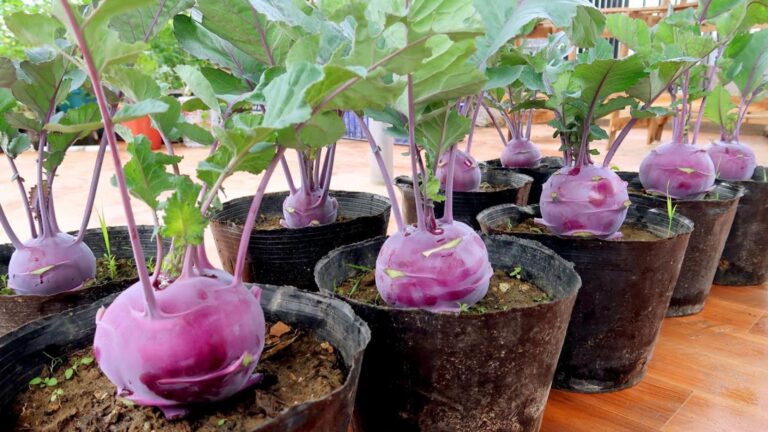
- Brassica crops (Cabbage, Broccoli, Cauliflower)
- Kale
- Fava Beans
- Potatoes
- Squash
- Zucchini
- Peas
- Alfalfa
- Radishes (Daikon)
- Brussels Sprouts
- Turnips
- Mustard
30 Flowering Perennials For Clay Soil
- Comfrey
- Hostas
- Heuchera
- Anemone x hybrida
- Aster
- Geranium
- Iris
- Rudbeckia
- Monarda
- Astilbe
- Buddleia
- Day Lily
- Joe Pye Weed
- Echinacea
- Phlox
Conclusion
While clay soil can be challenging, it is also a nutrient-rich option that, when managed properly, can support a diverse array of plants. By implementing strategies to improve your clay soil and choosing suitable plants, you can cultivate a beautiful, thriving garden that flourishes year after year.