7 Habits That Could Be Destroying Your Kidneys Without You Knowing!
7 Habits That Could Be Destroying Your Kidneys Without You Knowing
- Introduction
- Unhealthy Diet Choices
- Lack of Hydration
- Over-the-Counter Medications
- Common Mistakes to Avoid
- FAQ
- Conclusion
Introduction
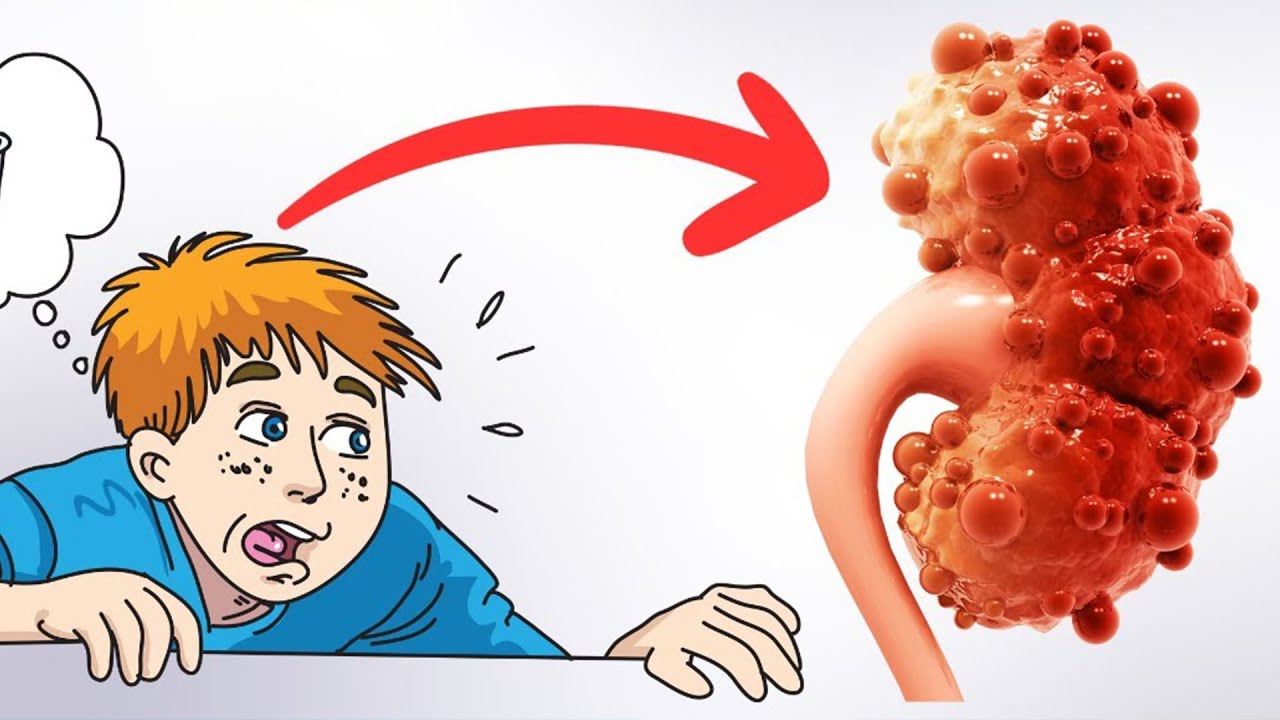
Does your daily routine include habits that you consider harmless? You might be surprised to learn that certain choices—like your snack, how much water you drink, or even those headache pills you rely on—could silently affect your kidney health. Many people are unaware of the potential impact their everyday actions have on this vital organ. Understanding these habits is the first step towards protecting your kidneys and enhancing your overall well-being. Let’s explore how to recognize and change those detrimental behaviors.
Unhealthy Diet Choices
Your dietary habits play a significant role in kidney health. Regularly consuming foods high in salt, sugar, and unhealthy fats can put unnecessary strain on your kidneys.
1. High Sodium Intake
Excess salt consumption can lead to elevated blood pressure, a major risk factor for kidney disease. Here are some tips to reduce sodium in your diet:
- Choose fresh ingredients instead of processed foods.
- Use herbs and spices to flavor your meals instead of salt.
- Read food labels to select lower-sodium options.
2. Sugary Snacks
Frequent sugar-laden snacks and beverages can lead to obesity and diabetes, both of which can damage your kidneys over time. Consider these healthier alternatives:
- Fresh fruits instead of candy.
- Homemade energy bars with nuts and oats.
- Popcorn seasoned lightly instead of chips.
Lack of Hydration
Staying properly hydrated is essential for kidney function. Dehydration can lead to kidney stones and, over time, kidney damage. Here are some reminders to ensure you drink enough water:
Understanding Hydration Needs
Your hydration needs vary based on activity levels and climate. A helpful guideline is:
- Drink at least 8 glasses of water daily, adjusting as needed.
- Incorporate hydrating foods, such as cucumbers and watermelon.
- Use reminders on your phone to keep track of water intake.
Signs of Dehydration
Being aware of dehydration signs can help you take proactive measures. Look for:
- Dark-colored urine.
- Dry skin.
- Fatigue or dizziness.
Over-the-Counter Medications
Many over-the-counter medications can negatively impact kidney health if used excessively. Common pain relievers and anti-inflammatory drugs are often overlooked. Here’s what you should know:
Common Medications to Limit
Repeated use of certain medications can lead to complications. Focus on:
- Non-steroidal anti-inflammatory drugs (NSAIDs) like ibuprofen.
- Acetaminophen if used in recommended doses.
Consulting with Your Healthcare Provider
Always discuss with your doctor before adding any new over-the-counter medications to your routine. Some key steps include:
- Ask your doctor about alternative medications with a lower risk.
- Inform them about your kidney health history.
Common Mistakes to Avoid
A few behaviors can unintentionally harm your kidneys. Here are some specific habits to keep an eye on:
- Ignoring hydration needs, especially during hot weather.
- Overindulging in processed and high-sodium foods.
- Neglecting regular health check-ups, particularly if you have a family history of kidney issues.
FAQ
What are the early signs of kidney damage? Early signs may include fatigue, changes in urine output, and mild swelling in the legs.
Can drinking more water help improve kidney function? Yes, staying well-hydrated helps your kidneys filter waste more effectively.
Is it safe to take over-the-counter pain relievers daily? It is advisable to limit daily use and consult with your healthcare provider for alternatives.
Conclusion
Being mindful of your dietary choices, hydration levels, and medication use is crucial for maintaining kidney health. Consider evaluating your daily habits to safeguard your kidneys. What small changes will you make today to support your kidney health?