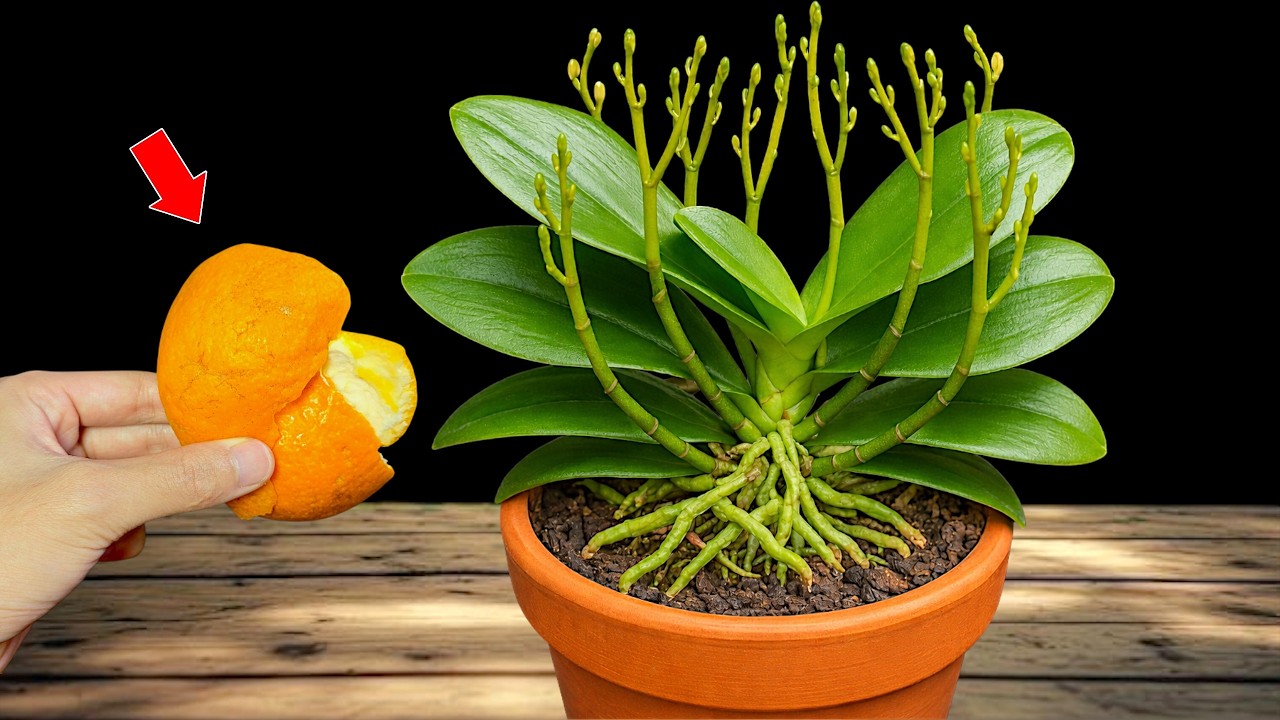
Revive Your Orchids: 1 Monthly Secret to Thriving Plants
Revive Your Orchids: 1 Monthly Secret to Thriving Plants
- Introduction
- Understanding Orchid Needs
- Essential Nutrients for Orchids
- Monthly Care Routine
- Common Mistakes
- FAQ
- Conclusion
Introduction
Many gardening enthusiasts find themselves struggling with the care of their orchid plants. Despite providing them with light and water, they may still appear droopy or fail to bloom. If you’ve been feeling frustrated about your orchids, you’re not alone. With a few adjustments and an understanding of their unique needs, you can bring your plants back to life. Let’s explore the essential care that can make a significant difference.
Understanding Orchid Needs
Orchids are unique in their growing requirements, and understanding them is key to successful care. Here’s what you should know:
1. Light Requirements
Orchids thrive best in bright, indirect light. They can suffer from direct sunlight, which may scorch their leaves. Consider placing them near a window with filtered light.
2. Watering Considerations
Overwatering is a common issue with orchids. Water them thoroughly, allowing excess to drain, and then let the top inch of the potting mix dry before watering again.
3. Temperature and Humidity
These plants prefer temperatures between 65°F to 75°F during the day and slightly cooler at night. Additionally, aim for 40% to 60% humidity to keep your orchids happy.
Essential Nutrients for Orchids
Providing the right nutrients is crucial for your orchids’ health. Here’s a guide to the essential nutrients they need:
1. Balanced Fertilizer
Use a balanced fertilizer specifically formulated for orchids. A 30-10-10 formulation is often recommended during the growing season, applied roughly every two weeks.
2. Micronutrients
Orchids benefit from additional micronutrients such as calcium, magnesium, and iron. Look for fertilizers that include these essential elements for a well-rounded nutrient profile.
3. Organic Options
Consider using organic options like fish emulsion or seaweed extract as they provide gentle, slow-release nutrients that are ideal for orchids.
Monthly Care Routine
Incorporating a monthly care routine will help keep your orchids thriving. Here’s a simple checklist to follow:
- Examine your orchids for signs of pests or disease. Look for discolored leaves or unusual spots.
- Adjust their positioning if they are not receiving adequate light.
- Water as needed, ensuring the potting medium is neither too wet nor too dry.
- Fertilize using a diluted orchid fertilizer. Always follow the instructions on the label for dilution ratios.
- Repot if roots are outgrowing the pot or if the potting medium has broken down. This is typically needed every 1-2 years.
In addition to the care routine, consider misting your plants occasionally to boost humidity, especially during dry months.
Common Mistakes
Avoiding common mistakes is essential for keeping your orchids healthy. Here are pitfalls to watch for:
- Ignoring the light needs: Placing them in direct sunlight can harm the plant.
- Overwatering: It’s crucial to let the potting medium dry between waterings.
- Forgetting about humidity: In dry environments, adding humidity can help your orchids thrive.
- Skipping fertilization: Regular feedings help maintain growth, especially during the blooming season.
- Neglecting your orchids: Regular checks for pests and health can prevent larger problems down the line.
FAQ
How often should I water my orchids? Watering frequency can vary, but generally, letting the top inch of the potting medium dry before watering again is ideal.
What type of fertilizer is best for orchids? A balanced fertilizer specifically formulated for orchids is recommended, typically a 30-10-10 formulation during the growing season.
Can I use regular potting soil for orchids? No, orchids need a specialized potting mix that allows for proper drainage and airflow to the roots.
Conclusion
With a better understanding of your orchids’ needs and a consistent care routine, you can create an environment where they can thrive. What has been your biggest challenge with growing orchids? Share your experiences in the comments below.