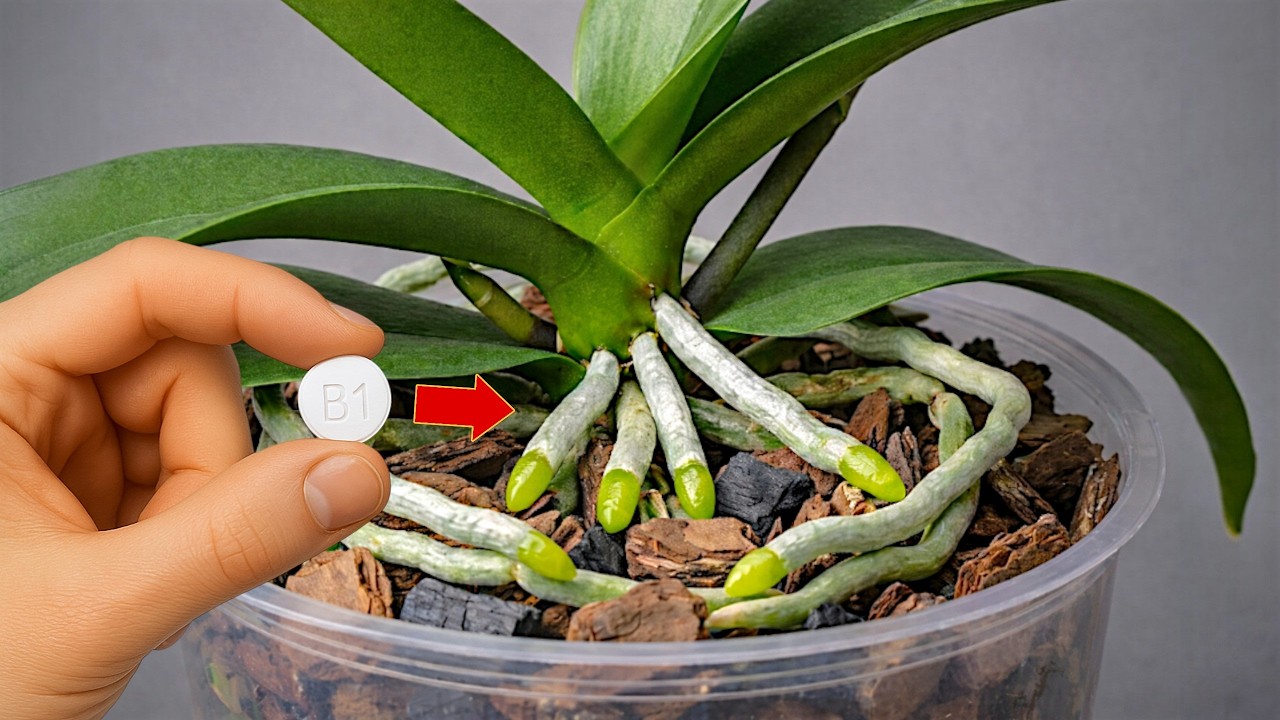
5 Secrets to Help Your Orchid Sprout Roots and Bloom All Year Long!
5 Secrets to Help Your Orchid Sprout Roots and Bloom All Year Long
- Understanding Orchid Needs
- Creating the Perfect Environment
- Proper Watering Techniques
- Fertilization Tips
- Common Mistakes to Avoid
- FAQs
Orchids are beautiful and unique plants, often admired for their stunning blooms and delicate appearance. However, many plant lovers find it challenging to get their orchids to thrive, let alone bloom throughout the year. If you’ve ever wondered why your orchid isn’t producing roots or flowers like you’d hoped, you’re not alone. There are several factors that can affect your orchid’s health and blooming cycle. Continue reading to discover essential tips to ensure your orchids sprout roots and bloom consistently.
Understanding Orchid Needs
Before diving into care routines, it’s crucial to recognize what orchids truly require for optimal growth. Understanding their natural habitat can give you valuable insights.
Light Requirements
Orchids thrive in bright, indirect light. Direct sunlight can scorch their leaves. Positioning your orchid near a north or east-facing window usually provides the right amount of light. If you notice yellowing leaves, your orchid may need slightly less light.
Humidity Levels
These tropical plants love humidity. Aim for around 50% to 70% humidity in your home. You can easily increase humidity by:
- Using a humidity tray filled with water and pebbles.
- Grouping your orchids together.
- Buying a humidifier for larger spaces.
Creating the Perfect Environment
Once you understand their needs, it’s time to ensure your orchids are in an ideal environment. This includes temperature and container choices.
Optimal Temperature
Most orchids prefer a temperature range of 65°F to 75°F (18°C to 24°C) during the day and slightly cooler at night. Avoid placing your orchids near drafts or heating vents to maintain a stable temperature.
Choosing the Right Potting Medium
Orchids require well-draining potting materials, such as bark chips or sphagnum moss. Avoid using regular potting soil, which can suffocate their roots. Ensure your pot has drainage holes to facilitate excess water escape.
Proper Watering Techniques
Watering your orchids correctly is essential to their health. Overwatering is a common mistake that can lead to root rot.
Signs of Overwatering
Your orchid might show signs of distress, such as yellowing leaves and mushy roots. Always allow the top inch of potting medium to dry out before watering again.
Watering Schedule
Depending on your home’s humidity, you might need to water every 7 to 10 days. Here’s a helpful tip:
- Check the potting medium by inserting your finger.
- Water thoroughly until it drains out of the bottom.
- Let your orchid sit in the water for an additional 30 minutes before draining fully.
Fertilization Tips
Another secret to helping your orchid bloom is proper fertilization. Orchids have unique nutrient needs that differ from traditional houseplants.
Choosing the Right Fertilizer
Select a balanced orchid fertilizer, preferably one with a higher phosphorus content (like 30-10-10). This encourages blooming.
Applying Fertilizer
Fertilize your orchids every two to four weeks during the growing season, and dilute it to half strength. Here’s how to do it effectively:
- Mix the fertilizer in water according to the instructions.
- Apply the solution directly to the roots.
- Avoid getting any fertilizer on the leaves to prevent damage.
Common Mistakes to Avoid
Avoiding common mistakes is just as essential as caring for your orchids. Here are some pitfalls to watch out for:
- Overwatering is the leading cause of orchid decline. Always check moisture levels before watering.
- Ignoring light needs can hinder growth. Make sure your orchids receive bright, indirect light.
- Using incorrect potting mix can suffocate roots. Invest in a specific orchid mix for best results.
FAQs
How often should I water my orchids? Generally, it’s every 7 to 10 days, but check the top inch of soil to determine if it’s dry first.
Why aren’t my orchids blooming? Insufficient light, improper watering, or lack of nutrients might be preventing blooming.
What type of pot should I use for orchids? Use pots with drainage holes, filled with a well-draining medium like bark or sphagnum moss.
Conclusion
By understanding your orchids’ essential requirements and avoiding common pitfalls, you can nurture them to bloom year-round. Consider which tips resonate most with your gardening journey. What challenges have you faced while caring for your orchids?