
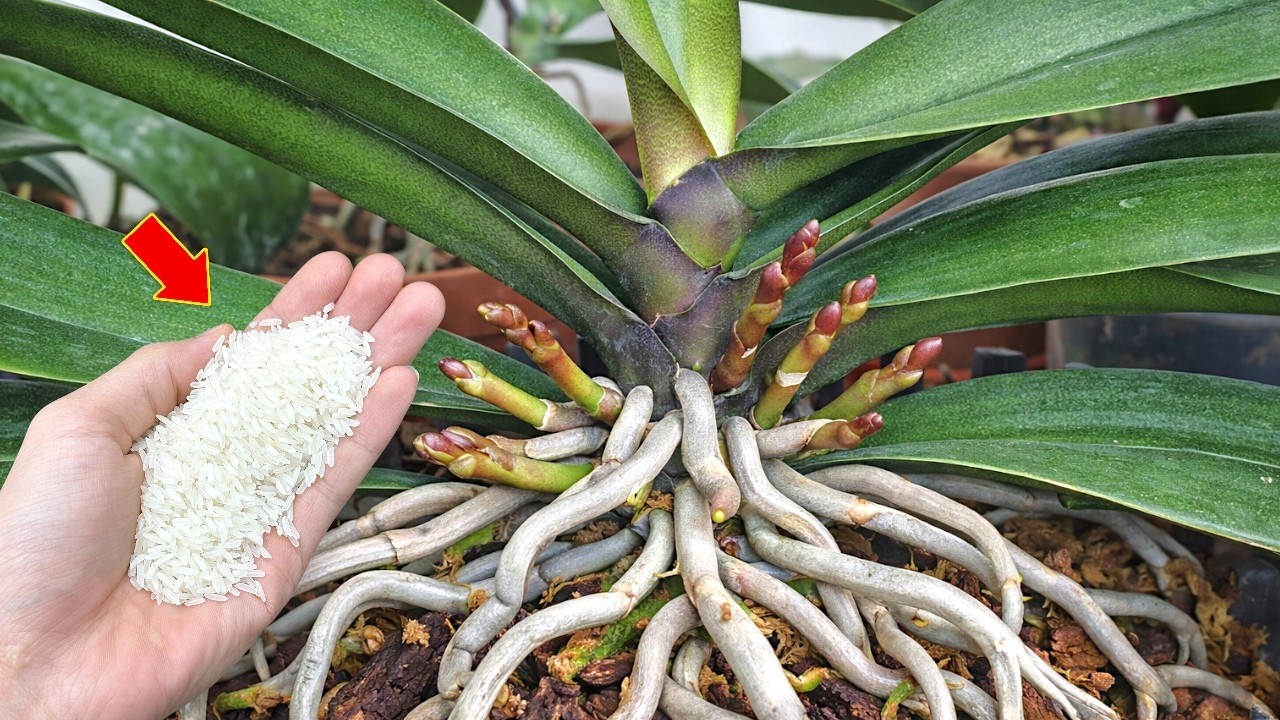
Boost Orchid Growth by 500% with Just 1 Slice a Week! Discover the Secrets Now!
Boost Orchid Growth with Easy Weekly Care Tips
Have you noticed your orchids struggling to bloom as vibrantly as you’d like, despite your best efforts? It can be frustrating when you know these beautiful plants have such potential. Often, the key to unlocking their growth lies in a few simple practices that many plant owners overlook. In this article, we’ll explore actionable tips to help you give your orchids the care they truly need.
Understanding Orchids
Before diving into care techniques, it’s essential to understand what orchids need to thrive. These unique plants come from various environments, each requiring specific conditions.
1. Types of Orchids
Choosing the right type of orchid for your environment is the first step. Popular varieties include:
- Phalaenopsis: Ideal for beginners, this variety thrives indoors.
- Cattleya: Known for vibrant blooms, they enjoy bright light.
- Dendrobium: These prefer a cooler environment and are quite hardy.
2. Natural Habitat
Understanding the natural habitat of your orchids can help you replicate the conditions they love. Most orchids thrive in warm, humid environments, often growing on trees in tropical regions.
Top Healthy Care Tips for Orchids
Providing the right care is crucial for promoting healthy orchid growth. Here are some straightforward tips to enhance their growth potential.
1. Watering Techniques
- Assess moisture: Before watering, check if the top inch of the soil is dry.
- Water thoroughly: When you water, ensure all the roots receive moisture without leaving standing water.
- Frequency: Depending on your environment, this could be every 1-2 weeks.
2. Fertilization Practices
Applying the right fertilizer can be a game changer for your orchids. Here’s how:
- Use a balanced fertilizer specifically for orchids, diluted to half strength.
- Apply every 2-4 weeks during the growing season (spring and summer).
- Stop fertilizing during dormant periods in fall and winter.
3. Light and Temperature Needs
Providing the right light and temperature is key to strong growth:
- Place your orchids in bright, indirect sunlight, but avoid direct afternoon sun which can scorch leaves.
- Maintain daytime temperatures between 70-80°F and nights around 60-65°F.
4. Humidity Matters
Orchids thrive in humid conditions. Here’s how to increase humidity:
- Group orchids together to create a micro-humid environment.
- Use a humidity tray filled with water and pebbles under the pots.
- Consider misting the plants if you live in a dry climate.
Common Mistakes to Avoid
Even with the best intentions, you might still make some missteps in caring for your orchids. Here are common mistakes to watch out for:
- Overwatering: This is one of the most common issues. Ensure pots have drainage holes and always check soil moisture.
- Inadequate light: Positioning them in a too-dark area can stunt their growth. Ensure adequate but indirect sunlight.
- Ignoring repotting: Orchids need fresh potting media every couple of years. Failing to do so can lead to root rot.
- Over-fertilizing: Less is often more. Using too much fertilizer can damage roots.
FAQ
Can I use regular houseplant fertilizer for orchids? It’s best to use a fertilizer specifically designed for orchids, as they have unique nutritional needs that differ from other houseplants.
How often should I repot my orchids? Orchids typically need repotting every 1 to 2 years or when you notice they’re outgrowing their pot.
What signs indicate that my orchid is not getting enough light? If your orchid’s leaves turn yellow or fall off, it may not be receiving sufficient light. Move it to a brighter location.
Conclusion
With proper care, your orchids can flourish and produce vibrant blooms. By understanding their needs and avoiding common mistakes, you create an environment that promotes their growth. What challenges have you faced in caring for your orchids? Feel free to share your experiences in the comments below!