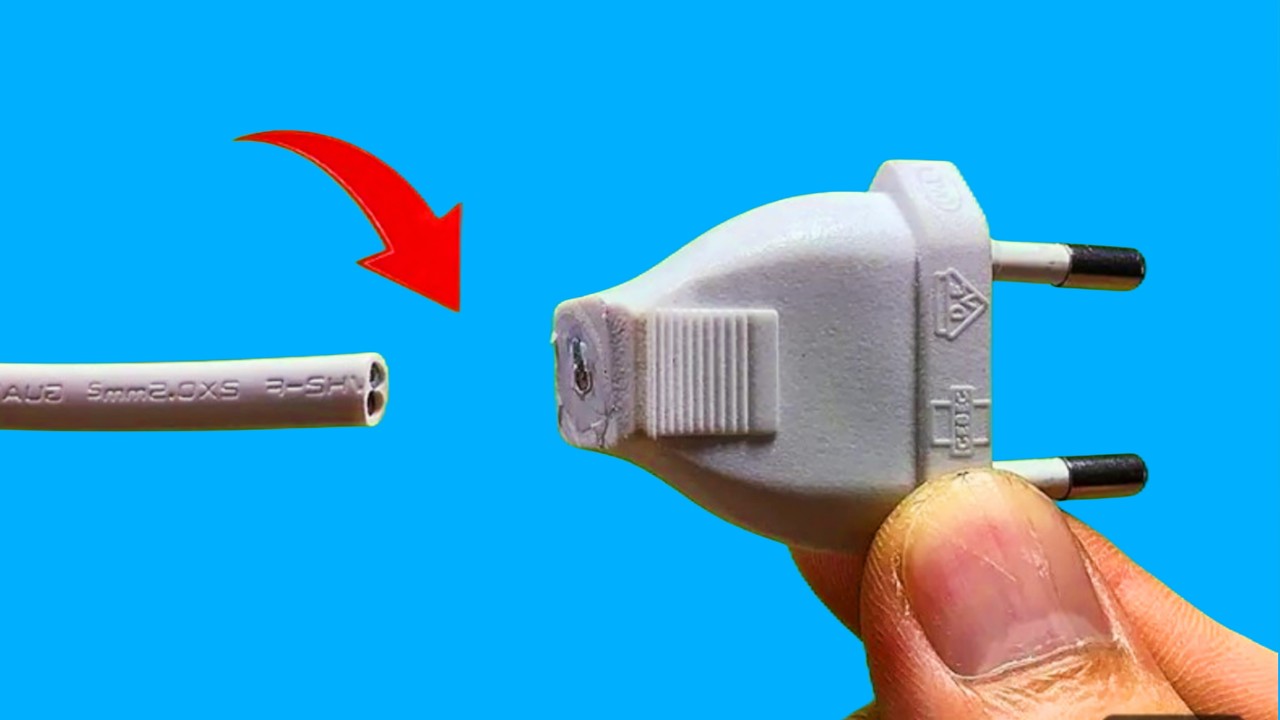
3 Simple Ways to Fix a Broken Electrical Plug That Everyone Should Know
3 Simple Ways to Fix a Broken Electrical Plug That Everyone Should Know
- Common Issues with Electrical Plugs
- Essential Tools and Materials
- Fixing Methods for a Broken Plug
- Mistakes to Avoid When Fixing Plugs
- FAQs
Common Issues with Electrical Plugs
When your electrical plug isn’t functioning properly, it can cause a major inconvenience in your daily life. Perhaps it fails to deliver power to your device, or you notice a loose connection that makes using it frustrating. These issues can arise from wear and tear over time or might be linked to the internal wiring. Understanding the common problems with electrical plugs is essential before diving into repairs. Let’s explore these issues further.
Loose Connections
A loosely connected plug is often the culprit behind inconsistent power supply. This can stem from frequent use or wear in the socket itself. Identifying a loose connection allows you to address it before it leads to more serious complications.
Frayed Wires
Frayed wires not only impede the functionality of your plug but can also pose serious safety risks. Look for exposed wire strands or breaks in the cord that could lead to electrical shocks.
Damaged Pins
Over time, the pins on your electrical plug can bend, break, or become tarnished. This damage can prevent proper contact with the socket, leading to power issues. Regularly inspecting your plugs for integrity can help you to catch these problems early.
Essential Tools and Materials
Before attempting to fix a broken electrical plug, gathering the right tools and materials is crucial. Having everything on hand will make the process smoother and more efficient.
Required Tools
- Screwdriver: Use this for opening the plug casing.
- Wire Cutters: Essential for trimming frayed wires.
- Multimeter: A handy device for testing electrical flow.
Necessary Materials
- Replacement Wires: Keep several types of electrical wires available.
- New Plug Casings: Consider purchasing a few to have on hand.
- Electrical Tape: Useful for securing connections.
Fixing Methods for a Broken Plug
Now that you know about the common issues and have gathered your materials, let’s dive into methods for fixing a broken electrical plug. Here are three simple, effective ways.
Method 1: Replacing the Plug
- Unplug the Device: Always ensure the device is unplugged before starting work.
- Open the Plug Casing: Use a screwdriver to carefully pry open the casing.
- Disconnect Wires: Remove the damaged plug and disconnect the wires.
- Reconnect New Plug: Attach new wires to the new plug firmly.
- Close the Casing: Secure the casing back once everything is connected properly.
Method 2: Repairing Frayed Wires
- Examine the Frayed Section: Identify where the wires are frayed.
- Trim the Wires: Use wire cutters to cut away the damaged portions.
- Strip the Wires: Carefully strip the insulating layer from the ends of the wires.
- Reconnect and Tape: Join the wires securely and wrap them with electrical tape.
Method 3: Straightening Bent Pins
- Inspect the Pins: Look closely at the pins to identify any bends.
- Use Pliers to Straighten: Gently pull or bend the pins back into place.
- Check for Stability: Ensure the pins are straight and sturdy before use.
Mistakes to Avoid When Fixing Plugs
While fixing your electrical plug can be simple, there are common mistakes to avoid to ensure safety and effectiveness.
- Ignoring Safety Precautions: Always unplug the device before starting your repairs.
- Using Incorrect Tools: Using improper tools can lead to further damage or injury.
- Neglecting to Inspect: Failing to check the entire plug and wire connections might miss other issues.
- Over-tightening Connections: This can damage the internal components or lead to breakage.
- Using Substandard Materials: Always use quality wires and plugs to ensure safe repairs.
FAQs
What tools do I need to fix an electrical plug?
You will need a screwdriver, wire cutters, and a multimeter for testing. Additionally, electrical tape and replacement plugs or wires are useful.
Is it safe to repair electrical plugs by myself?
If you follow safety precautions and have a basic understanding of electrical components, it can be safe. However, if you’re unsure, consider consulting a professional.
When should I replace my electrical plug instead of repairing it?
If the casing is cracked, the internal connections are severely damaged, or there are multiple issues, it may be best to replace the entire plug.
Conclusion
Repairing a broken electrical plug is manageable with the right tools and a bit of knowledge. By understanding common issues and the methods to fix them, you can save time and money. What has been your experience with electrical repairs? Share your thoughts in the comments below!