7 Simple Methods to Thread a Needle Hassle-Free and Without Spending a Dime
7 Simple Methods to Thread a Needle Hassle-Free
- Introduction
- Method 1: The Old-Fashioned Way
- Method 2: The Use of a Needle Threader
- Method 3: Using Sticky Tape
- Method 4: The Moisture Trick
- Method 5: The Magnifying Glass
- Common Mistakes to Avoid
- FAQ
- Conclusion
Introduction
Have you ever found yourself struggling to thread a needle when you’re ready to start a sewing project? It can be quite frustrating, especially when your thread refuses to cooperate. Many of us have been there, holding the needle and thread, wishing for an easier way. Thankfully, there are several methods that can make this task much simpler, so you can focus on your craft. Keep reading to discover easy techniques that won’t cost you a penny.
Method 1: The Old-Fashioned Way
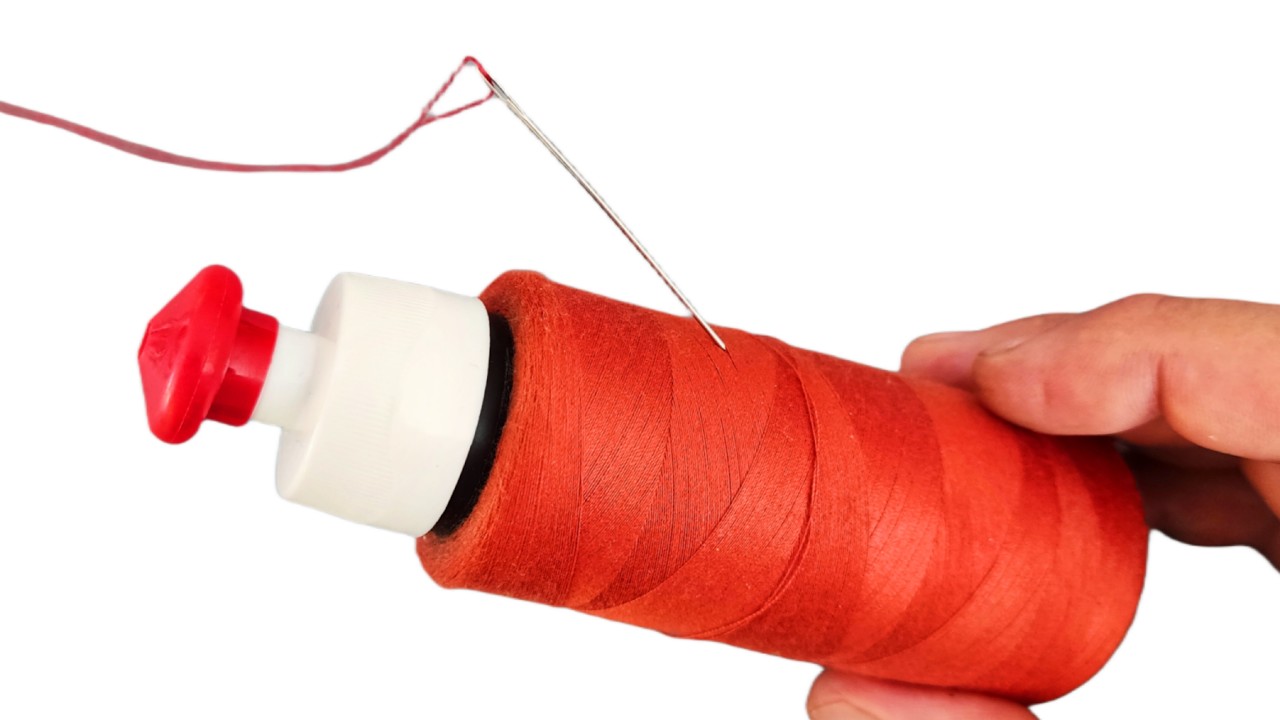
Sometimes, simplicity is key. The traditional approach to threading a needle remains effective and requires minimal tools.
Step-by-Step Instructions
- Cut your thread at a 45-degree angle for better insertion.
- Hold the needle with the eye facing towards you.
- Insert the thread into the needle’s eye gently.
Practical Tips
- Use good lighting to help you see the needle’s eye clearly.
- If your thread frays, trim it back to ensure a clean end.
Method 2: The Use of a Needle Threader
A needle threader can speed up the process significantly, especially for those with less dexterity.
How to Use a Needle Threader
- Position the needle in the threader’s slot.
- Place the thread through the designated channel of the threader.
- Press the button to pull the thread through the needle’s eye.
Benefits of a Threader
Using a needle threader can save time and reduce frustration, making it a great tool for frequent crafters.
Method 3: Using Sticky Tape
If you don’t have a needle threader on hand, sticky tape can come to your rescue.
Technique for Using Sticky Tape
- Cut a small piece of tape and wrap it around the end of your thread.
- Pinch the taped thread between your fingers and slide it into the needle’s eye.
Advantages of This Method
This method can make threading easier by providing a sturdier end to your thread, especially for finer materials.
Method 4: The Moisture Trick
Another effective trick is to utilize moisture to assist with threading.
How to Thread with Moisture
- Moisten the end of your thread lightly with water or saliva.
- Insert the dampened end into the needle’s eye carefully.
Why Moisture Helps
This technique makes the thread a bit stickier, which can prevent fraying and ease the threading process.
Method 5: The Magnifying Glass
For those with vision difficulties, a magnifying glass can provide much-needed assistance.
Using a Magnifying Glass
- Position the magnifying glass above the needle’s eye.
- Thread the needle as you typically would, but with the added clarity.
Additional Tips
This method is particularly useful for intricate sewing projects where precision is key.
Common Mistakes to Avoid
When threading a needle, here are some common pitfalls:
- Using the wrong type of thread for your needle size can cause frustration and breakage.
- Failing to trim the thread properly can lead to splitting.
- Forgetting to check your lighting can make the process unnecessarily difficult.
FAQ
What is the easiest method to thread a needle?
Using a needle threader or the sticky tape method is often considered the simplest, especially for those who may struggle with fine motor skills.
Can I use a regular needle for heavy fabric?
It’s best to choose a needle that matches the fabric type. For heavier materials, opt for a thicker needle to ensure a proper fit.
Why does my thread keep breaking?
Thread breakage often occurs from using the wrong needle or from a frayed thread end. Ensuring a smooth, clean cut will help prevent this.
Conclusion
By trying out these simple methods to thread a needle, you can make the process easier and more efficient. Whether you opt for the classic technique or use a tool, each method has its own benefits. What method works best for you? Share your thoughts in the comments!