Discover 5 Incredible Benefits of Adding Bay Leaves to Your Soup Today!
Discover the Benefits of Adding Bay Leaves to Your Soup
- Introduction
- Nutritional Value of Bay Leaves
- Culinary Benefits of Bay Leaves
- Preparation Tips for Using Bay Leaves
- Common Mistakes When Using Bay Leaves
- FAQ
Introduction
When you’re simmering a pot of soup on a chilly evening, the aroma wafting through your kitchen sets the stage for comfort and warmth. However, have you ever considered that a simple addition could elevate your soup from ordinary to extraordinary? Many home cooks overlook the subtle yet impactful flavor of bay leaves. Understanding their benefits can change the way you approach your soup recipes. Read on to uncover why bay leaves deserve a spot in your pantry.
Nutritional Value of Bay Leaves
Bay leaves aren’t just aromatic; they carry numerous health benefits that make them an excellent addition to your meals. Let’s explore their nutritional profile:
- Rich in Vitamins: Bay leaves are a source of vitamins A, C, and several B vitamins, which support overall health.
- Loaded with Antioxidants: They contain compounds that help combat oxidative stress in the body.
- Digestive Health: Incorporating bay leaves into your diet can aid in digestion, making your soup a comforting option.
Health Benefits
Including bay leaves in your cooking not only enhances the flavor but also adds health benefits such as:
- Anti-inflammatory Properties: They can help reduce inflammation within the body.
- Blood Sugar Control: Bay leaves may assist in lowering blood sugar levels, making them beneficial for those managing diabetes.
Natural Remedies
In addition to their culinary uses, bay leaves have been used in various natural remedies. Utilizing bay leaves in your soup can promote a feeling of well-being. Here are a couple of simple preparations:
- Steep dried bay leaves in hot water for a soothing herbal tea.
- Crush bay leaves and apply them to minor skin irritations for relief.
Culinary Benefits of Bay Leaves
When it comes to flavoring your soup, bay leaves can make a significant difference. Here are some culinary benefits to consider:
- Depth of Flavor: Bay leaves impart a subtle, earthy taste, enhancing the overall profile of your soup.
- Complexity: Their presence helps to balance and deepen the taste, especially in rich, hearty soups.
Pairing with Other Ingredients
Bay leaves complement a variety of ingredients. Consider combining:
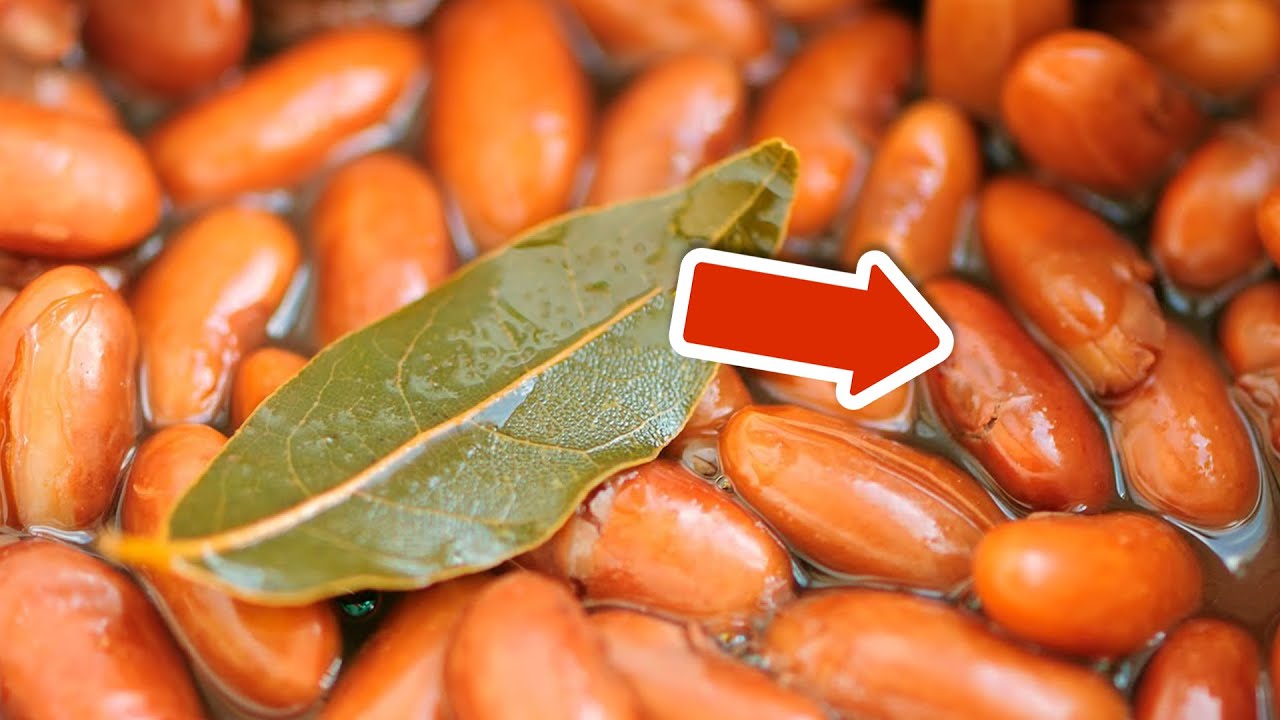
- Beans and lentils for a protein-packed soup.
- Vegetables like carrots and celery to create a base for your stock.
Infusion Techniques
To extract the most flavor, consider these infusion techniques:
- Add Whole Leaves: Place a couple of whole bay leaves in your soup pot during cooking, then remove before serving.
- Crush or Chop: For a more intense flavor, crush or finely chop the leaves before adding them to your soup.
Preparation Tips for Using Bay Leaves
To maximize the benefits of using bay leaves in your soup, here are some practical tips:
- Use Fresh or Dried: Fresh bay leaves have a more potent flavor than dried ones, so choose based on your preference.
- Storage: Keep dried bay leaves in an airtight container, away from light and moisture, to preserve their flavor.
- Timing: Add bay leaves early in the cooking process to allow their flavor to infuse throughout the soup.
Flavor Combinations
Experimentation can yield delicious results. Try pairing bay leaves with:
- Thyme and rosemary for a herb-forward soup.
- Ginger and garlic for an aromatic, spicy kick.
Serving Suggestions
While bay leaves add flavor, they are not meant to be eaten. Always remove them before serving your soup to avoid any unpleasant chewing experience.
Common Mistakes When Using Bay Leaves
Even simple ingredients like bay leaves can be misused. Here are some common mistakes to avoid:
- Using Too Many: Overusing bay leaves can overpower the flavor. Stick to one or two leaves for optimal taste.
- Not Removing Before Serving: Always remember to take bay leaves out before serving to prevent a chewy surprise.
- Storing Improperly: Keeping bay leaves in an open environment can cause them to lose flavor quickly.
FAQ
What are the uses of bay leaves besides culinary?
Bay leaves can be used in natural remedies, such as making herbal teas and soothing skin irritations.
Can I use bay leaves in vegetable soups?
Yes, bay leaves enhance the flavor of vegetable soups, adding depth and complexity.
How long should I simmer bay leaves in soup?
It’s best to simmer bay leaves for at least 30 minutes to extract their flavor, but you can leave them in for the entire cooking time as long as you remove them before serving.
Conclusion
Integrating bay leaves into your soup can significantly enhance its flavor while delivering health benefits. Be mindful of common mistakes to fully enjoy their advantages. What is your favorite soup recipe that you think could benefit from bay leaves? Share in the comments below!