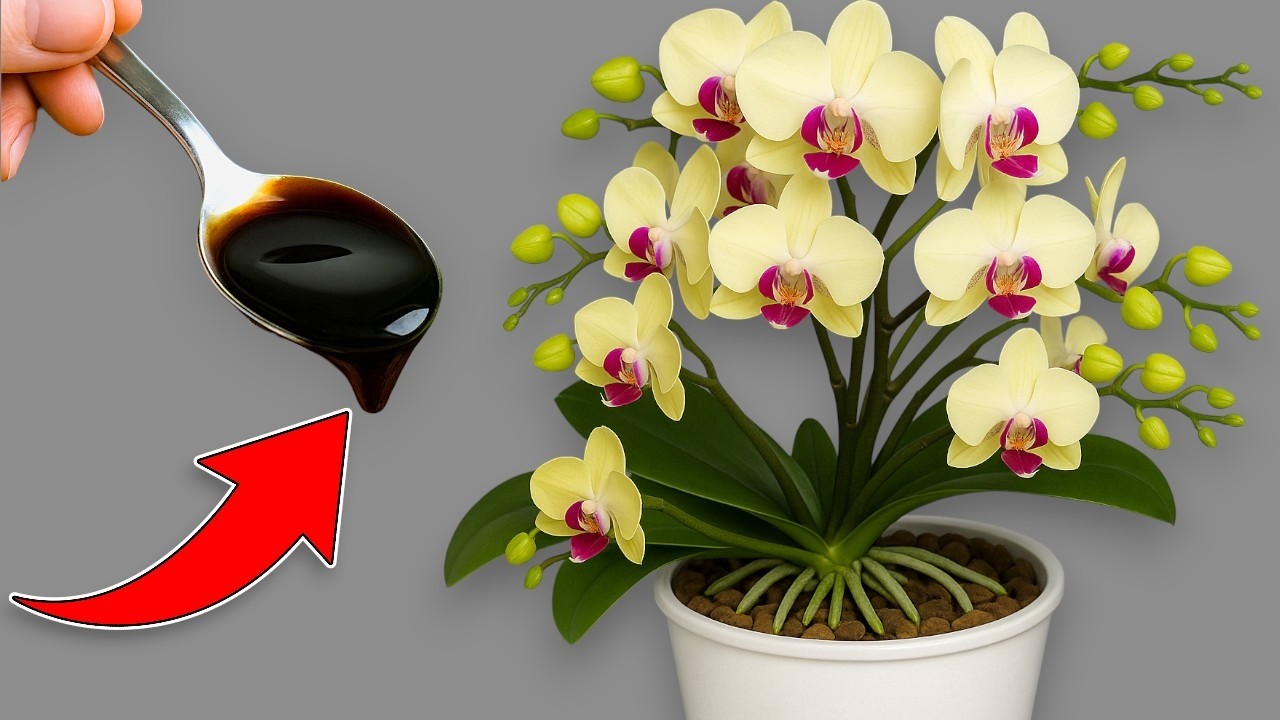
Pour 1 Spoon and Watch 100 Flowers Bloom: Unbelievable Plant Secret!
Pour 1 Spoon and Watch 100 Flowers Bloom: A Gardening Guide for Thriving Blooms
Introduction
Have you ever dreamt of a garden bursting with vibrant blooms yet felt overwhelmed by the thought of maintaining it? You’re not alone; many gardeners feel the pressure of nurturing flowers to their fullest potential. What if there was a simple ingredient that could help your plants thrive? As you explore effective gardening methods, you’ll find practical tips that transform your green space into a colorful paradise. Discover how to achieve this lush haven by reading on.
What You Need
To start your journey toward an abundant flowering garden, gather the following items:
- Quality soil: Good soil is essential for healthy flowers.
- Organic fertilizer: Choose one that suits your specific flower types.
- Gardening tools: Essential tools include a trowel, hoe, and watering can.
- Seeds or seedlings: Select flowers that bloom at different times for continuous color.
- Mulch: Helps retain moisture and suppress weeds.
Recommended Soil Types
Different flowers thrive in various soil types. For instance, sandy soil is excellent for drought-tolerant flowers, while clay-rich soil retains moisture, ideal for species requiring consistent hydration.
Choosing the Right Fertilizer
Opt for organic fertilizers that improve soil health and support sustainable gardening practices. Look for balanced formulations or those higher in phosphorus if you prioritize blooming.
Preparing Your Soil
Preparation is key to a flourishing garden. Follow these steps to create optimal conditions for your flowers:
- Test your soil’s pH and nutrient levels. This enables you to amend it accurately.
- Add organic matter, such as compost, to enrich the soil with necessary nutrients.
- Till the soil to improve aeration and drainage, crucial for flower growth.
- Level the area to ensure water distributes evenly.
- Apply mulch to retain moisture and regulate temperature.
Importance of Soil Testing
Conducting a soil test can reveal crucial information that helps you amend it according to your flowers’ needs. Many gardening centers offer affordable testing kits.
Enhancing Soil Nutrients
Mixing compost or aged manure into your soil can boost its fertility. These additions enrich microbial life, promoting overall plant health.
Planting Techniques
Once your soil is prepared, it’s time to implement effective planting techniques. Follow these methods to maximize your floral display:
- Space your flowers adequately to prevent overcrowding, allowing each plant to flourish.
- Plant at the right depth, following specific instructions for each flower type.
- Water regularly, especially during the initial growth phases.
- Observe each plant’s growth and adjust care as needed based on their responsiveness.
Timing Your Planting
The season affects when to plant various flowers. For spring bloomers, soil preparation in early spring is ideal. Opt for fall planting for some perennials, allowing them to establish roots before winter.
Watering Strategies
While watering, aim for deep watering to encourage root systems to grow. Watering early in the day minimizes evaporation and ensures better absorption.
Common Mistakes
Even seasoned gardeners can face challenges. Here are some common missteps to avoid:
- Overwatering: Too much moisture can lead to root rot and fungal issues.
- Underestimating sunlight needs: Each flower type requires specific light conditions for optimal growth.
- Poor spacing: Crowded plants can lead to competition for resources and hinder growth.
- Neglecting to amend soil: Failing to test and enhance soil can impact plant health.
- Ignoring pests: Early detection of pest problems can prevent a larger infestation.
Recognizing Watering Issues
Be mindful of signs of overwatering, like yellowing leaves or wilting despite wet soil. Adjust your watering routine accordingly to keep your flowers thriving.
Sunlight Requirements
Understanding each flower’s sunlight needs can significantly impact their growth. Some require full sun, while others thrive in partial shade.
FAQ
What flowers bloom all summer? Look for annuals like marigolds, zinnias, and petunias—these provide color throughout the season.
How often should I water my flowers? Watering frequency depends on the flower type and weather; a good rule is to check soil moisture before watering.
When is the best time to fertilize my garden? Fertilizing in early spring before blooming starts is advantageous, with additional feeding every six weeks during the growing season.
Conclusion
Creating a garden filled with flourishing flowers involves understanding your plants’ needs and providing the right conditions. By preparing your soil, using effective planting techniques, and avoiding common mistakes, you’ll cultivate a colorful paradise. What flowers are you excited to plant this season? Share your thoughts in the comments!