10 Essential Knots for Every Life Situation You Should Know
10 Essential Knots for Every Life Situation You Should Know
Introduction
Picture yourself out in the garden, ready to secure your climbing plants, or perhaps enjoying a weekend camping trip when you realize a reliable knot could make your setup smoother. Knowing how to tie essential knots is not only practical but can also save you time and effort in various scenarios, whether at home or outdoors. The ability to tie these knots can enhance your DIY skills, among other things. Let’s explore some knots that will prove useful in your daily life.
Basic Knots
There are several basic knots that everyone should master. These knots are versatile and come in handy for everyday tasks.
1. Square Knot
The square knot is excellent for joining two ropes together. Here’s how to tie it:
- Cross the right end over the left.
- Wrap the right end under the left and pull tight.
- Cross the left end over the right, then wrap the left end under the right again.
- Pull tight to secure.
2. Bowline Knot
The bowline knot creates a fixed loop at the end of a rope. This is useful for mooring or rescue situations.
- Create a small loop in the rope.
- Pass the end of the rope through the loop from underneath.
- Bring it around the standing part of the rope.
- Pass it back down through the loop and pull tight.
3. Clove Hitch
The clove hitch is ideal for securing a rope to a post or tree.
- Wrap the rope around the object twice.
- Cross the ends of the rope over each other.
- Pull tight to secure the hitch.
Specialty Knots
In addition to basic knots, there are specialty knots useful for specific scenarios.
1. Figure Eight Knot
This knot is commonly used in climbing and sailing. It’s strong and provides a reliable anchor.
- Make a loop in the rope.
- Take the end of the rope and wrap it around the standing part.
- Bring it back through the loop to form an eight shape.
- Pull tight.
2. Taut-Line Hitch
The taut-line hitch is adjustable and great for securing tents or tarps.
- Wrap the rope around the anchor point once.
- Make a loop around the standing line.
- Wrap it again around the anchor point.
- Pull tight to adjust the tension.
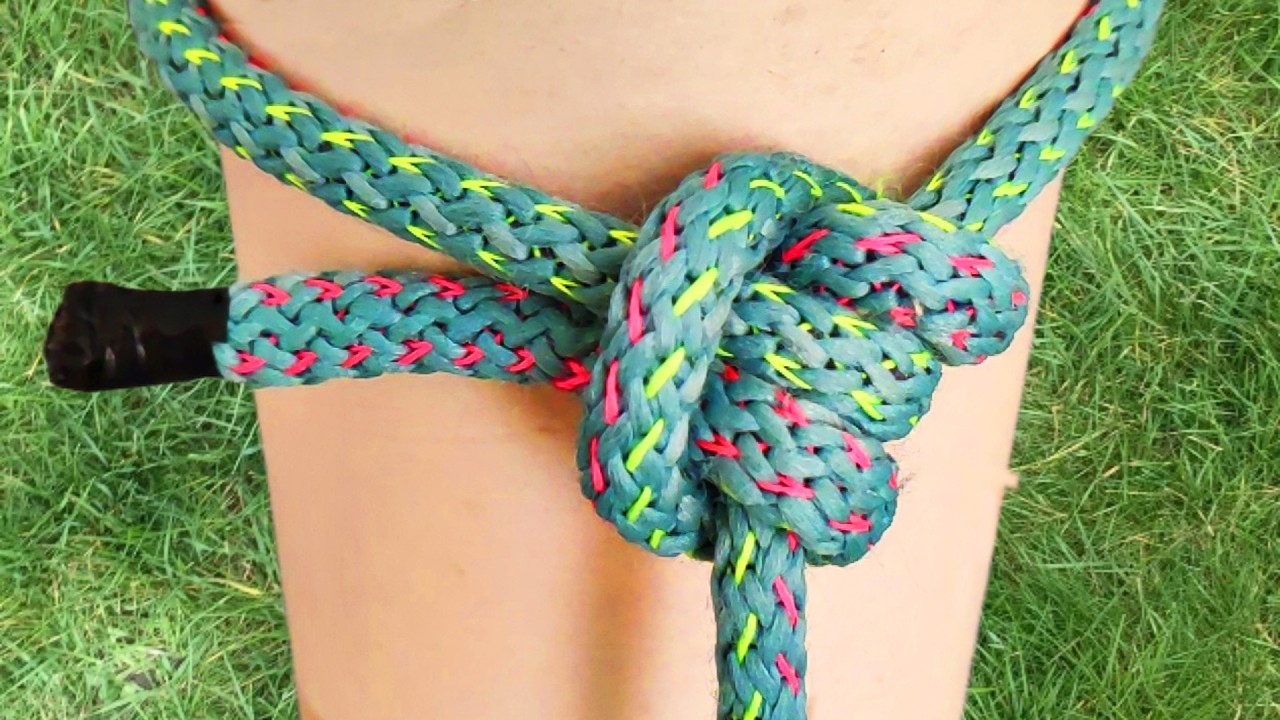
3. Carrick Bend
For joining heavy ropes, the carrick bend is an excellent choice.
- Lay the two ropes parallel, crossing them in the middle.
- Take the working end of one rope and tuck it under the other rope.
- Wrap around the second rope and tuck it under again.
- Repeat with the other rope, then pull tight.
Common Mistakes to Avoid
While learning to tie knots, be aware of these common mistakes that can lead to frustration.
- Using the wrong knot for the situation can lead to failure.
- Failing to tighten the knot properly might cause it to slip.
- Neglecting to practice can result in forgetting the steps.
- Overcomplicating the process instead of sticking to simple techniques.
FAQ
What are the most useful knots for outdoor activities?
Some of the most useful knots include the bowline, figure eight, and taut-line hitch, as they provide reliability and ease of use in outdoor settings.
Can I use knots for gardening?
Absolutely! Knots like the clove hitch and square knot are perfect for securing plants and tying up garden structures.
How do I know if I tied a knot correctly?
A well-tied knot should hold firmly under pressure and not slip or come undone easily. Practicing and testing your knots will help build confidence in their security.
Conclusion
Mastering these essential knots can greatly enhance your ability to tackle various life situations with ease. By practicing and understanding their uses, you’ll be well-prepared for almost anything. What knots do you find most helpful in your daily life? Share your experiences in the comments!