5 Easy Tips to Make Orchid Plants Thrive All Year with Just Rice!
5 Easy Tips to Help Your Orchid Plants Thrive All Year
- Understanding Orchids
- The Role of Rice in Orchid Care
- Tips for Successful Orchid Care
- Common Mistakes to Avoid
- FAQ
Understanding Orchids
Orchids can be a delightful addition to your home, bringing elegance and charm. You may find yourself captivated by their unique blossoms, wondering how to care for them properly. These plants have specific needs that differ from other houseplants. Understanding their requirements, such as light, humidity, and watering schedules, is key to their health. Each orchid variety has its own preferences, so knowing these can greatly impact your success in keeping them vibrant. By learning more about these fascinating plants, you can ensure they bring beauty to your space throughout the year.
The Role of Rice in Orchid Care
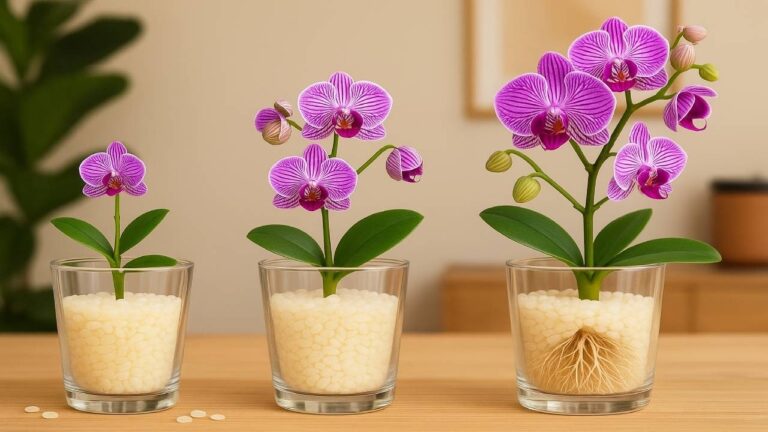
Using rice as part of your orchid care routine is an easy way to provide essential nutrients. This natural ingredient offers benefits that can help your orchids thrive. Here’s how it works:
1. Nutrient Source
Rice is rich in carbohydrates, which serve as a food source for beneficial bacteria in the orchid’s potting medium. This interaction helps to improve the overall health of your plant.
2. Water Retention
When used in the potting mix, rice can aid in maintaining moisture. Orchids prefer a well-draining medium, and rice can help balance moisture levels without causing root rot.
3. Fertilizer Replacement
Using rice water—leftover after rinsing uncooked rice—can act as a natural fertilizer. It contains beneficial nutrients that can promote healthy growth when applied in moderation.
Tips for Successful Orchid Care
Now that you understand the role of rice, consider these practical tips to ensure your orchids grow beautifully all year round:
- Choose the right pot: Use pots designed for orchids, which have sufficient drainage holes. Look for breathable materials like clay.
- Optimize light exposure: Place your orchids near a window with filtered light. Too much direct sunlight can scorch their leaves.
- Maintain humidity: Orchids thrive in humid environments. You can use a humidity tray or mist the leaves regularly.
- Water correctly: Water your orchids thoroughly, but allow the potting medium to dry slightly between waterings. Overwatering is a common problem.
- Repot as needed: Orchids should be repotted every 1-2 years to refresh the potting mix and encourage healthy root growth.
Common Mistakes to Avoid
As you embark on your journey to nurture your orchids, be wary of these common mistakes:
- Overwatering: Many orchid owners unknowingly water too often, which can lead to root rot. Always check the moisture level before watering.
- Insufficient light: Failing to provide enough light can hinder blooming. Make sure they receive adequate, indirect sunlight.
- Ignoring the need for air circulation: Orchids need fresh air. Without proper circulation, your plants might suffer from fungal issues.
- Using regular potting soil: Orchids require special potting mixes that allow for optimal drainage and root health—general potting soil is too dense.
- Neglecting repotting: Failing to repot can lead to compaction of the medium, hindering root growth. Keep an eye on your orchids’ space needs.
FAQ
How often should I water my orchids? Water your orchids every 1-2 weeks, depending on your home’s humidity. Always allow the potting medium to dry slightly between waterings.
Can I use rice water for all types of orchids? Yes, rice water can be beneficial for most orchids when used in moderation as a natural fertilizer.
What is the best light for orchids? Orchids prefer bright, indirect light. A spot near east or west-facing windows is ideal.
Conclusion
Caring for orchids involves understanding their needs and avoiding common pitfalls. Utilizing rice can enhance your orchid care routine, helping them thrive alongside other houseplants. What tips have you found helpful in caring for your orchids? Share your experiences in the comments below!