5 Powerful Tips to Stop Upper Abdominal Bloat for Good!
5 Effective Tips to Alleviate Upper Abdominal Bloat
- Understanding Upper Abdominal Bloat
- Dietary Changes for Relief
- Natural Remedies to Consider
- Lifestyle Modifications
- Common Mistakes to Avoid
Understanding Upper Abdominal Bloat
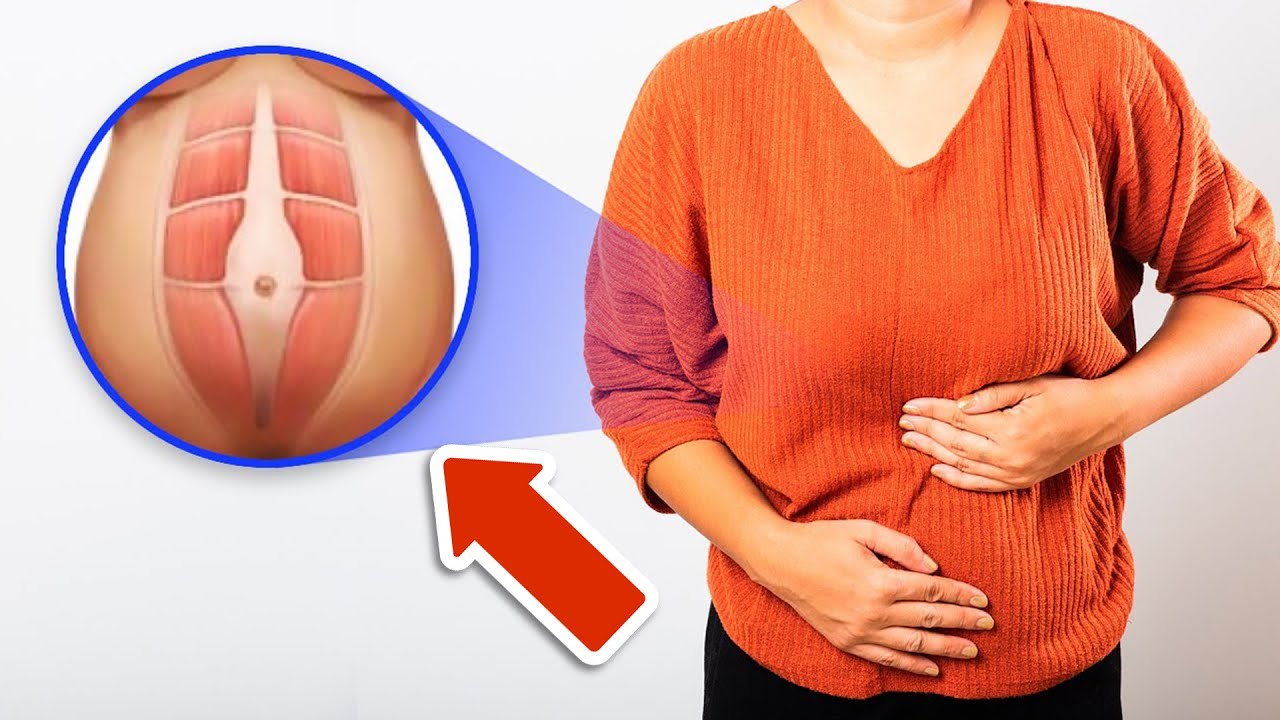
Have you ever felt that uncomfortable, tight feeling in your upper abdomen after a meal? This sensation can be quite unsettling, making simple activities seem daunting. You might even find yourself avoiding meals or social gatherings just to dodge that unwanted fullness. Understanding the causes of this issue can help you take the necessary steps towards relief.
Dietary Changes for Relief
Making intentional adjustments to your diet can significantly affect your overall digestion and comfort. Here are some strategies to consider:
1. Incorporate Fiber Gradually
- Start by adding fiber-rich foods like fruits, vegetables, and whole grains into your meals.
- Increase your fiber intake slowly to allow your digestive system to adapt.
- Stay hydrated, as fiber works best when you drink plenty of water.
2. Avoid Gas-Producing Foods
Some foods are known to cause gas and subsequent bloating. Consider reducing:
- Beans and lentils
- Cruciferous vegetables like broccoli and cauliflower
- Carbonated drinks
3. Monitor Portion Sizes
Eating large portions can lead to discomfort. It can be helpful to:
- Use smaller plates to control your portion sizes.
- Eat slowly, allowing your stomach to signal when it’s full.
- Consider keeping a food diary to identify any specific triggers.
Natural Remedies to Consider
Exploring natural options might provide additional relief from bloating. Here are a few remedies you might find beneficial:
1. Ginger Tea
This soothing drink can help ease digestive discomfort. To make ginger tea:
- Peel and slice fresh ginger.
- Boil in water for 10 minutes.
- Strain and drink warm, possibly adding honey for taste.
2. Peppermint Oil
Peppermint oil may help relax your digestive system.
- Add a few drops of peppermint oil to warm water.
- Inhale peppermint oil for an invigorating aroma to ease your tummy.
3. Probiotics
Including probiotics in your routine can enhance gut health.
- Look for probiotic-rich foods like yogurt, kefir, and sauerkraut.
- Consider a probiotic supplement after consulting with a health professional.
Lifestyle Modifications
In addition to diet, certain lifestyle habits can bolster your efforts to reduce upper abdominal bloat:
1. Practice Mindful Eating
Avoid rushing meals, as it may lead to swallowing air. Tips include:
- Chewing your food thoroughly.
- Avoiding talking while chewing.
2. Stay Active
Regular physical activity can help your digestive system function smoothly. Aim for:
- At least 30 minutes of moderate exercise daily.
- Activities like walking, yoga, or biking.
3. Manage Stress
High stress levels can contribute to digestive issues. Consider:
- Meditation or deep-breathing exercises.
- Engaging in relaxing hobbies.
Common Mistakes to Avoid
Being aware of frequent pitfalls can guide you towards a more comfortable experience. Here are some common mistakes related to upper abdominal bloat:
- 1. Skipping meals can lead to overeating later.
- 2. Ignoring food intolerances can exacerbate bloating.
- 3. Overindulging in artificial sweeteners can backfire.
Frequently Asked Questions
What causes upper abdominal bloat?
Upper abdominal bloat can result from various factors, including diet, stress, and food intolerances. Identifying the specific cause can be essential for effective management.
Are there specific foods to avoid for bloating?
Yes, foods that are high in sugar, processed snacks, and certain vegetables like broccoli can cause bloating. Monitoring your intake can help you identify personal triggers.
Can hydration help with bloating?
Staying hydrated is crucial. Drinking adequate water aids digestion and can help prevent bloating, especially when increasing fiber intake.
Conclusion
Reducing upper abdominal bloat requires a combination of dietary adjustments, natural remedies, and lifestyle changes. By understanding your body and making thoughtful choices, you can ease discomfort. What strategies have you tried to manage bloating effectively?