5 Simple Steps: Peel Chestnuts Easily with Just a Bottle Cap!
Easy Chestnut Peeling: 5 Simple Steps Using a Bottle Cap
Introduction
Peeling chestnuts can be a tricky task, especially when you’re excited to incorporate them into your favorite recipes. The hard shell often gets in the way, turning what should be a simple experience into a frustrating one. Many people dread spending extra time and effort to free the nut from its armor. Fortunately, there’s a smooth and efficient method to simplify this process. Read on to discover how to master the art of chestnut peeling effortlessly.
Required Materials
Before diving into the chestnut peeling process, gather the following items to make your task smoother:
- Fresh chestnuts: Choose firm, unblemished chestnuts for the best results.
- Bottle cap: A plastic bottle cap works wonderfully for this technique.
- Cutting board: Use this as your workspace to protect your surfaces.
- Knife: Have a sharp knife ready for making small cuts on the chestnuts.
- Boiling water: You’ll need this for blanching the chestnuts.
Peeling Technique
This method involves a few simple but effective steps that can transform your chestnut peeling experience. Follow this guide to enjoy perfectly peeled chestnuts:
Step 1: Score the Chestnuts
Using your knife, carefully make a shallow cut or an “X” shape on the flat side of each chestnut. This allows steam to escape and makes peeling easier.
Step 2: Blanch the Chestnuts
Bring water to a boil in a pot. Once boiling, add the scored chestnuts and let them soak for about 5 minutes. This step softens the shells, making them easier to peel.
Step 3: Cool the Chestnuts
After boiling, transfer the chestnuts into a bowl of cold water for a few moments. This will help cool them down, making them easier to handle while peeling.
Step 4: Use the Bottle Cap
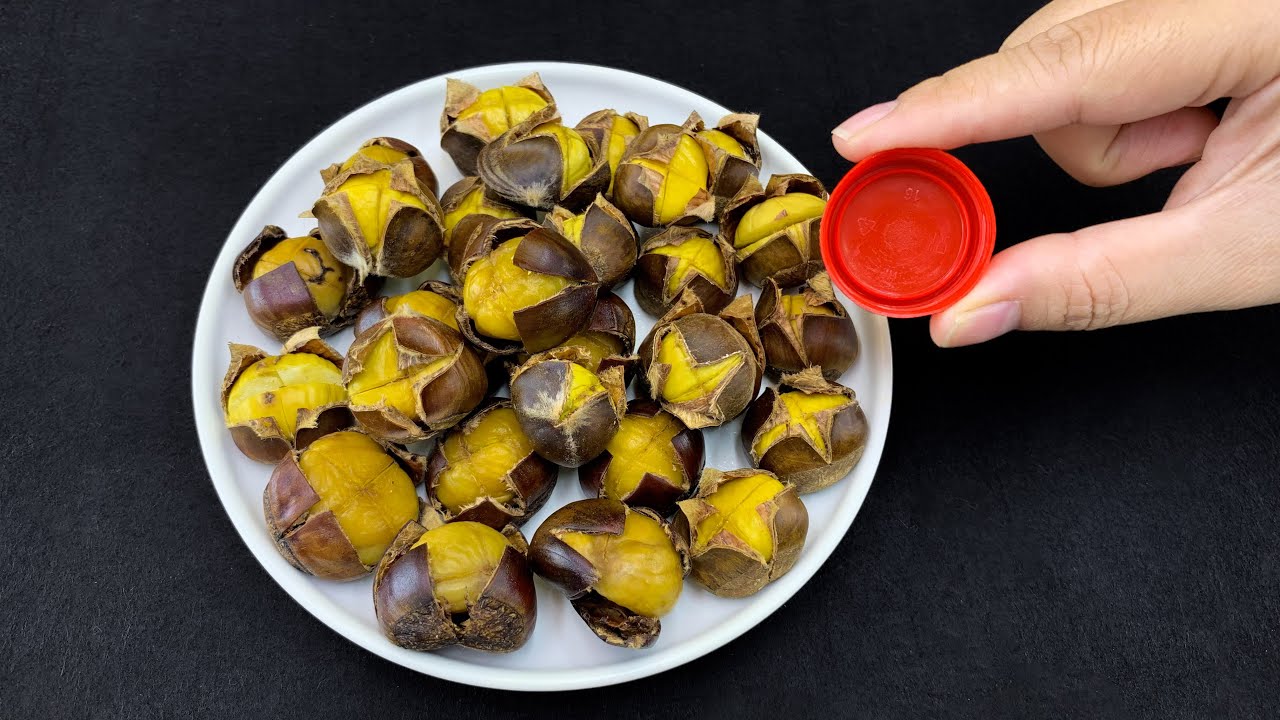
Take a scored chestnut and place it on the cutting board. Using the bottle cap, apply firm pressure to crack the outer shell. This action helps break the shell away without damaging the nut inside.
Step 5: Enjoy Your Peeled Chestnuts
After cracking, simply peel away the remaining shell and skin. You can now use your freshly peeled chestnuts in a variety of dishes!
Common Mistakes
Even with this easy peeling method, there are some common pitfalls to be aware of:
- Not scoring the chestnuts: Skipping this step can lead to difficulty when peeling.
- Boiling for too long: Overcooking chestnuts may result in mushy nuts that are hard to peel.
- Ignoring the cold water: Failing to cool the chestnuts may lead to burns or difficulty in handling them.
FAQ
What is the best season for chestnuts? Chestnuts are typically in season from late September to early December, making this the ideal time to enjoy them.
Can I peel chestnuts without boiling them first? It’s possible, but boiling helps soften the shells, making the peeling process much easier and faster.
What other uses do chestnuts have besides eating? Beyond culinary uses, roasted chestnuts can be transformed into decorative items or used in crafting activities.
Conclusion
With just a bottle cap and a few simple steps, peeling chestnuts can become a breeze. This technique allows you to enjoy this delicious seasonal treat with minimal fuss. What is your favorite way to use chestnuts in your cooking? Share your tips and experiences in the comments!