
5 Simple Ways to Instantly Boost Your Gut Health and Feel Amazing!
5 Simple Ways to Instantly Boost Your Gut Health
- Introduction
- Incorporate Healthy Fats
- Add Fermented Foods
- Increase Fiber-Rich Foods
- Stay Hydrated
- Common Mistakes
- FAQ
- Conclusion
Introduction
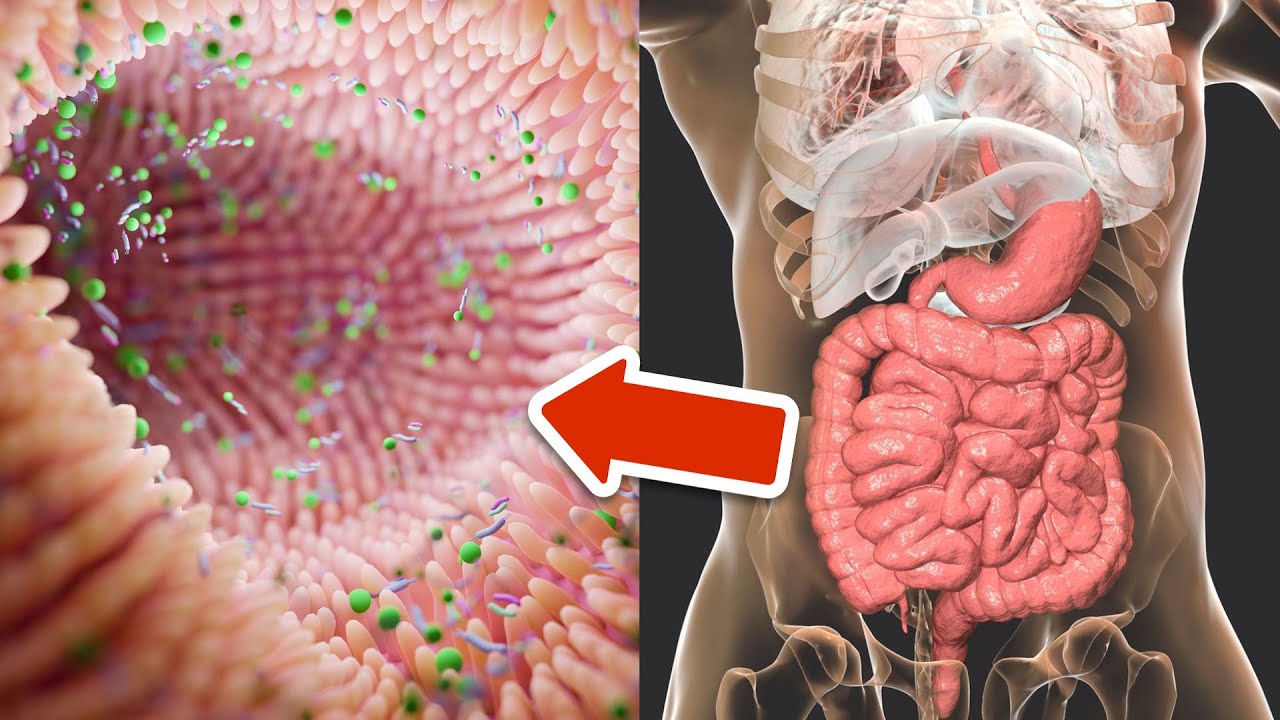
Many people experience discomfort from occasional digestive issues, leading to feelings of bloating, fatigue, and irritability. Your gut health plays a crucial role in your overall well-being, affecting everything from digestion to mood. Whether you’re often feeling sluggish or just looking to improve your health, keeping your gut happy is essential. Explore these simple ways to enhance your gut health and feel better, starting today.
Incorporate Healthy Fats
Including healthy fats in your diet is a great way to support gut health. Fats like avocados, olive oil, and nuts can help nourish the beneficial bacteria in your gut.
1. Choose the Right Oils
Using oils high in omega-3 fatty acids, such as flaxseed or chia seed oil, can provide anti-inflammatory benefits. Swapping out saturated fats for healthier options can also promote better digestion.
2. Add Avocados to Your Meals
Not only are avocados rich in healthy fats, but they are also high in fiber, which aids digestion. Try adding sliced avocado to salads, smoothies, or sandwiches for a creamy texture and nutritional boost.
3. Snack on Nuts and Seeds
Nuts and seeds offer a great source of healthy fats, and they are also convenient snacks. A handful of walnuts or pumpkin seeds provides healthy energy and supports gut health simultaneously.
Add Fermented Foods
Fermented foods are packed with probiotics, which are known to enhance gut health by introducing beneficial bacteria.
1. Discover Yogurt
Opt for plain yogurt with live active cultures. Incorporating yogurt into your breakfast or as a snack can significantly boost the gut flora residing in your intestines.
2. Explore Sauerkraut and Kimchi
Fermented vegetables like sauerkraut and kimchi are not only tasty but also a terrific source of probiotics. Try adding these to your meals for a tangy kick and better gut support.
3. Try Kefir
Kefir is a fermented milk drink that’s rich in probiotics. You can use it in smoothies or enjoy it as a drink by itself, providing a beneficial boost to your gut health.
Increase Fiber-Rich Foods
Fiber is essential for digestion; it nourishes good bacteria and helps prevent constipation.
1. Whole Grains Matter
Integrating whole grains like oats, brown rice, and quinoa into your diet adds necessary fiber. They provide prebiotics that fuel the beneficial bacteria in your gut.
2. Fill Your Plate with Fruits and Vegetables
Fruits and vegetables are packed with fiber and natural antioxidants. Aim for a colorful variety to ensure you’re getting a range of nutrients, all of which support gut health.
3. Incorporate Legumes
Beans, lentils, and chickpeas are fantastic sources of fiber, adding both nutrition and texture to your meals. They can be used in soups, stews, or salads for a hearty boost.
Stay Hydrated
Proper hydration is vital for maintaining good gut health. It aids digestion and helps prevent issues like bloating.
1. Drink Plenty of Water
Make it a goal to drink at least eight 8-ounce glasses of water daily. Staying hydrated helps your digestive system process food efficiently.
2. Herbal Teas for Digestion
Herbal teas like ginger or peppermint can soothe the digestive system. Incorporating these into your routine can provide relief and promote gut health.
3. Monitor Your Intake
Pay attention to signs of dehydration. If you find yourself feeling fatigued, dry mouth, or experiencing digestive discomfort, consider increasing your fluid intake.
Common Mistakes
While boosting your gut health is essential, it’s also important to avoid pitfalls that can hinder your progress.
1. Skipping Meals
Irregular eating patterns can disrupt your gut’s rhythm. Ensure you have regular meals to support a healthy digestive process.
2. Overconsumption of Processed Foods
Highly processed foods can negatively impact gut flora. Focus on whole, natural foods for better digestive health.
3. Ignoring Food Intolerances
Listen to your body. Ignoring food intolerances can lead to digestive issues and inflammation. Pay attention to how certain foods make you feel.
FAQ
What are some signs of poor gut health? Common signs include bloating, constipation, fatigue, and mood imbalances. Frequent digestive discomfort may indicate an unhealthy gut.
How long does it take to improve gut health? Improvements can be felt in a few days to a few weeks, but for lasting changes, it may take several months of consistent healthy habits.
Can I improve gut health with supplements? Yes, certain probiotics and supplements can help, but it’s best to consult a healthcare professional before starting any new regimen.
Conclusion
Boosting your gut health can be accomplished through simple dietary changes, such as adding healthy fats, fermented foods, and fiber-rich options. Avoiding common mistakes will also support your journey toward better well-being. What are your favorite ways to maintain gut health? Please share in the comments!