6 Proven Ways to Dramatically Lower Your Colon Cancer Risk Today!
6 Proven Ways to Dramatically Lower Your Colon Cancer Risk Today
- Understanding Colon Cancer
- Adopting a Healthy Diet
- Incorporating Regular Exercise
- Utilizing Reliable Screening Methods
- Common Mistakes to Avoid
- FAQ
With alarming rates of colon cancer diagnoses, many find themselves seeking ways to safeguard their health. It’s a common concern to wonder how lifestyle choices can influence our risk factors. From dietary habits to physical activity, the choices you make today can shape your future well-being. Understanding these factors is essential, and keeping informed is a powerful step toward better health. Continue reading to discover proven methods to lower your colon cancer risk.
Understanding Colon Cancer
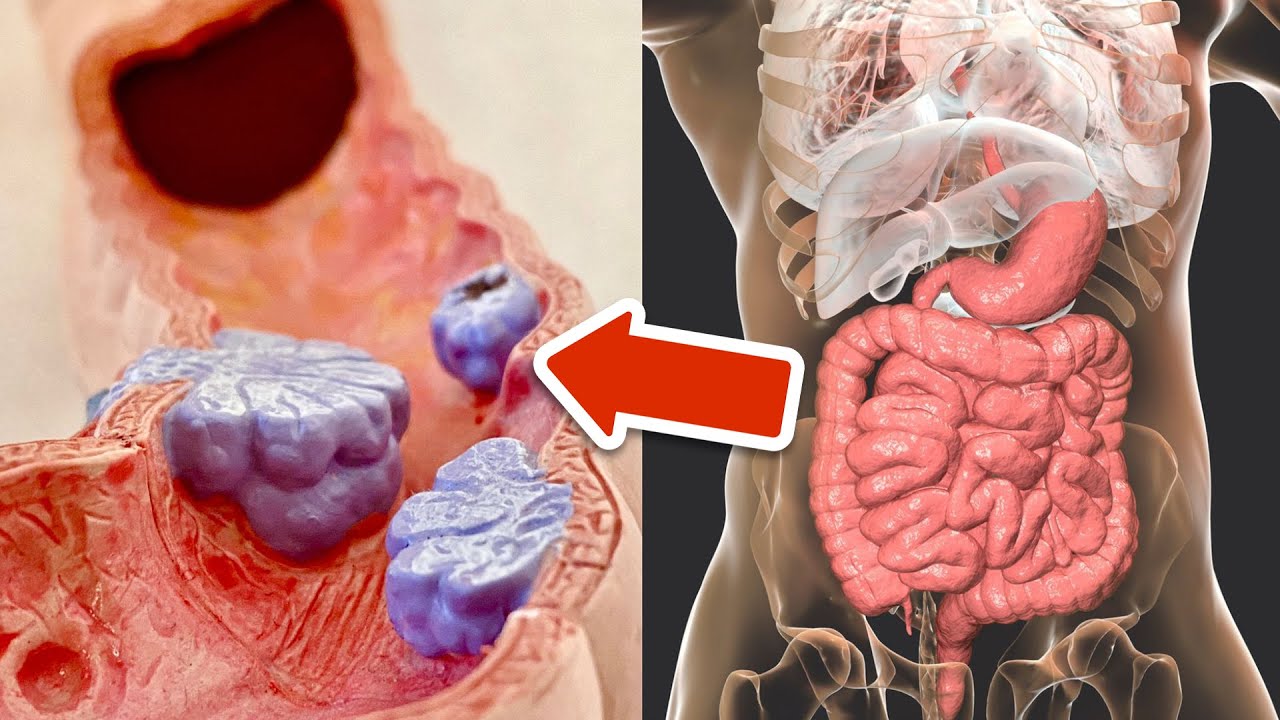
Colon cancer originates in the large intestine and is often linked to various risk factors, including genetics and lifestyle. Recognizing how these factors play a role can guide your preventative measures.
What Increases Your Risk?
- Age: Risk increases significantly after 50.
- Family History: A personal or family history of colon cancer heightens risk.
- Diet: High fat, low fiber diets are linked to increased risk.
The Role of Lifestyle
Your lifestyle choices make a significant impact on your overall health. By focusing on healthier habits, you can actively lower your chances of developing colon cancer.
Adopting a Healthy Diet
Your eating habits play a pivotal role in your colon health. A balanced diet filled with the right nutrients can help lower your risk.
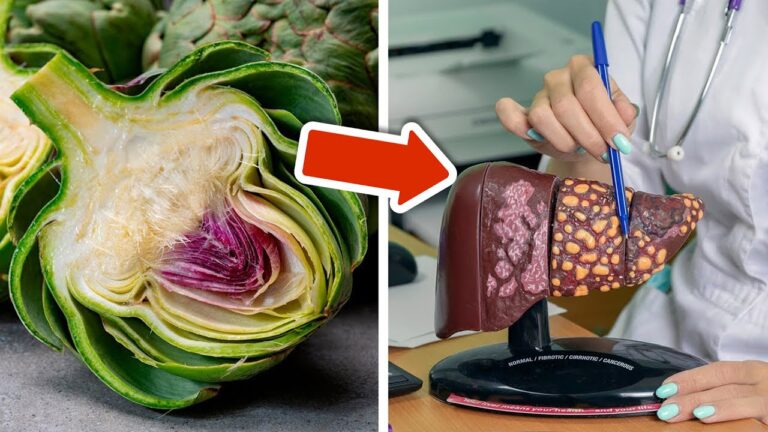
Incorporate Fiber-Rich Foods
- Start by adding whole grains, fruits, and vegetables to your meals.
- Consider beans and legumes as excellent sources of fiber.
- Include nuts and seeds for added nutrient benefits.
Avoid Processed Foods
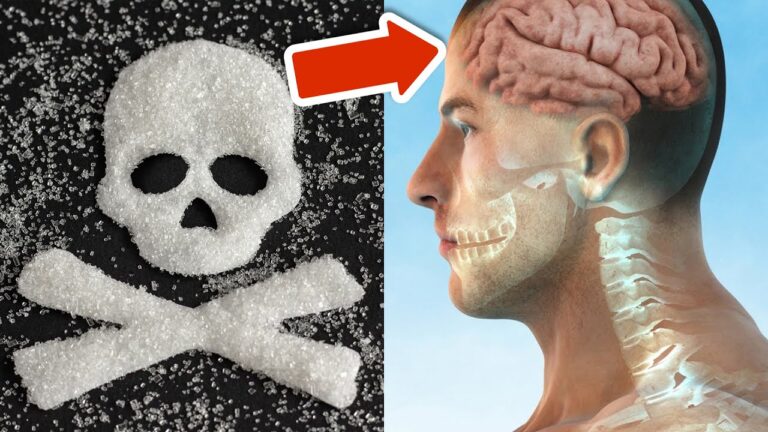
Processed foods are often high in unhealthy fats, sugars, and additives. Reducing your intake can positively impact your colon health. Focus on whole, minimally processed options whenever possible.
Incorporating Regular Exercise
Physical activity is vital for not just maintaining a healthy weight, but also for promoting a healthy digestive system.
Establish a Routine
- Set a target for at least 150 minutes of moderate aerobic activity each week.
- Include strength training exercises at least twice a week.
- Choose activities you enjoy, making it easier to stick with your routine.
Benefits of Physical Activity
Regular exercise helps in hormone regulation, maintains a healthy weight, and promotes regular bowel movements, all of which are essential for lowering colon cancer risk.
Utilizing Reliable Screening Methods
Early detection is crucial in effectively preventing and treating colon cancer.
Recommended Screening Tests
- Colonoscopy: Generally recommended every 10 years starting at age 50.
- Stool Tests: Asking your doctor about options can help identify abnormalities.
Know When to Start
Discuss with your healthcare provider about your personal risk factors and decide when it’s best to begin screening. For some, earlier screening may be necessary based on family history or other risk factors.
Common Mistakes to Avoid
Even with the right intentions, some pitfalls can unintentionally increase your risk of colon cancer.
1. Ignoring Symptoms
Pay attention to changes in your bowel habits or persistent abdominal pain. Ignoring these signs can delay diagnosis.
2. Relying Solely on Family History
While family history can be a significant factor, many develop colon cancer without a family link. Take personal responsibility for your health.
3. Assuming Healthy Weight Equals Health
Being at a healthy weight is essential, but it doesn’t eliminate risks entirely. Focus on a balanced lifestyle, including diet and exercise.
FAQ
What are the symptoms of colon cancer?
Common symptoms include changes in bowel habits, urgency to use the bathroom, abdominal pain, and unexplained weight loss.
At what age should I start screening for colon cancer?
Most guidelines recommend starting screenings at age 50, but those with risk factors may need to start earlier.
Can diet influence colon cancer risk?
Yes, a diet high in fiber and low in processed foods can significantly reduce your risk of colon cancer.
Your health is influenced by the choices you make every day. By focusing on diet, exercise, and screenings, you can take proactive steps to lower your colon cancer risk. What changes will you make to safeguard your health? Share your thoughts in the comments!