7 Easy Steps to Propagate Chayote in Hot Weather!
How to Propagate Chayote in Hot Weather
- Introduction
- Understanding Chayote
- Ideal Conditions for Propagation
- Propagation Steps
- Common Mistakes
- FAQ
- Conclusion
Introduction
As summer heat sets in, you might be wondering how to keep your garden thriving, especially if you’re a fan of unique vegetables like chayote. The warm weather can pose challenges, but it also presents a great opportunity to expand your garden by propagating this versatile plant. However, knowing exactly how to do it can make all the difference in ensuring a successful outcome. Continue reading to uncover the steps and tips you need to successfully propagate chayote in hot weather.
Understanding Chayote
Chayote, or Sechium edule, is a nutrient-rich vegetable that thrives in tropical and subtropical climates. It belongs to the gourd family and is known for its pear-like shape and mild flavor. Understanding its growth habits is essential for successful propagation, especially during the heat of summer.
Benefits of Chayote
- Nutritional Value: Chayote is low in calories and high in vitamins and minerals, making it a healthy addition to your diet.
- Versatile Use: You can use chayote in a variety of dishes, from salads to stews.
- Easy to Grow: Once established, chayote plants require minimal care, making them perfect for both novice and seasoned gardeners.
Growth Habits
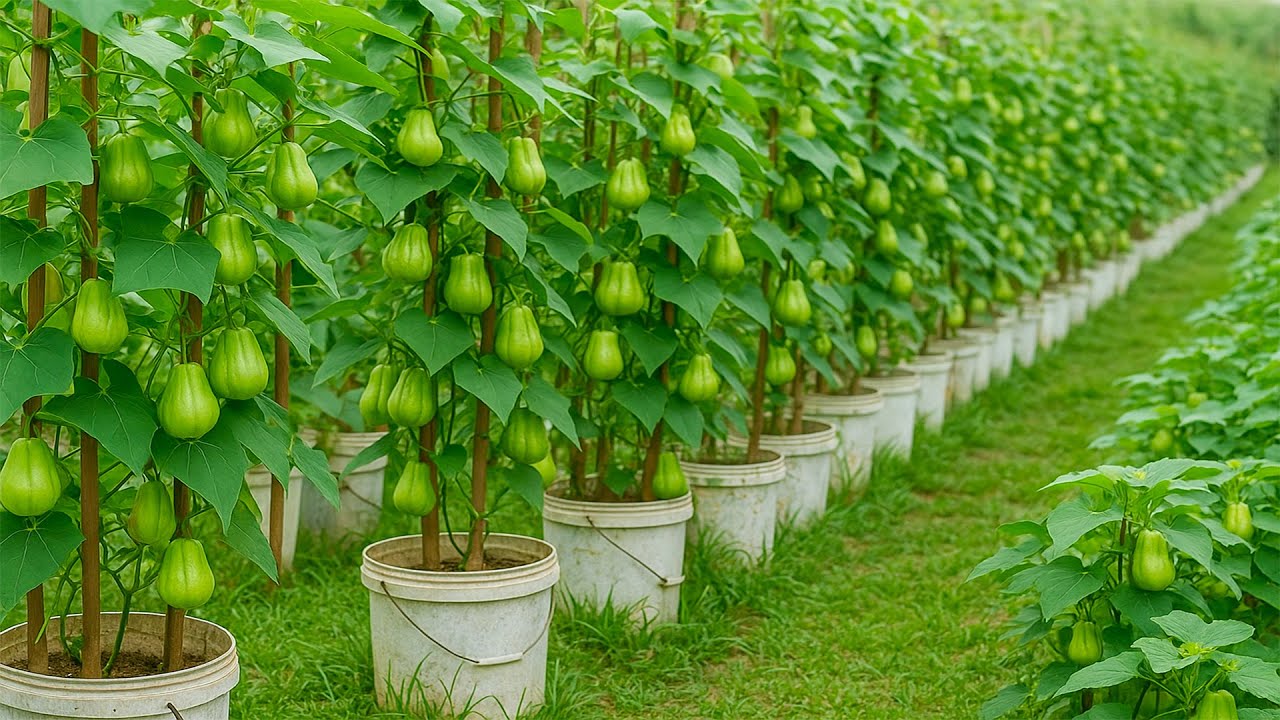
Chayote is a climbing plant that requires support as it grows. It can reach heights of 3 to 4 meters (about 10 to 12 feet) when provided with a sturdy trellis or fence. Understanding these growth habits will help you prepare the right space for your new chayote plants.
Ideal Conditions for Propagation
Before you start propagating chayote, it’s important to create the right environment. Here are some factors to consider:
Temperature
Chayote thrives best in temperatures between 18°C to 30°C (65°F to 85°F). While hot weather is generally favorable, extreme heat above 35°C (95°F) can hinder growth. Emphasizing shade during peak hours can help protect young plants.
Soil Requirements
Chayote prefers well-draining, loamy soil enriched with organic matter. This type of soil helps retain moisture while preventing root rot. Consider adding compost or well-rotted manure to enhance fertility.
Watering Techniques
Keep the soil consistently moist without overwatering. Drip irrigation or soaker hoses are excellent options for delivering water directly to the roots, especially during hot summers.
Propagation Steps
Here’s a simple guide on how to propagate chayote effectively during hot weather:
- Select a healthy chayote fruit. Look for one that is firm and unblemished.
- Prepare the soil by mixing compost and ensuring proper drainage in your pot or garden bed.
- Cut the chayote in half length-wise. Ensure that each half includes the seed inside, which is essential for growth.
- Plant each half into the soil with the seed pointing upwards. Cover it gently with soil.
- Water the soil lightly to settle it around the chayote. Make sure not to saturate it.
Providing Support
As your chayote sprouts, providing a trellis or some support will help it climb and thrive, making the best use of vertical space in your garden.
Maintenance
Regularly check for pests and ensure consistent watering. Monitoring your plants aids successful growth, especially during hot spells.
Common Mistakes
When propagating chayote, avoiding certain pitfalls can make a significant difference:
- Overwatering: Too much water can lead to root rot, especially in hot conditions.
- Neglecting Soil Quality: Poor soil can stunt growth; always enrich it for optimum health.
- Ignoring Sun Exposure: While chayote loves warmth, be cautious of harsh sun during peak hours.
FAQ
How long does it take for chayote to sprout?
Chayote typically takes about 2 to 4 weeks to sprout, depending on the environmental conditions and care provided.
Can I propagate chayote from store-bought fruit?
Yes, you can propagate chayote from store-bought fruit, as long as it’s fresh and shows no signs of spoilage.
What pests should I watch out for when growing chayote?
Common pests include aphids and whiteflies. Regular monitoring and organic pest control methods can help keep your plants healthy.
Conclusion
Propagating chayote during hot weather can be rewarding when done with care and attention. By understanding the needs of your plants and following the steps provided, you’ll be on your way to enjoying your chayote bounty. What challenges have you faced while gardening in hot weather? Share your experiences in the comments!