
7 Reasons You Should Never Sleep Right After Eating for Better Health
7 Health Reasons to Avoid Sleeping Right After Eating
- Introduction
- Understanding Digestion
- Impact on Sleep Quality
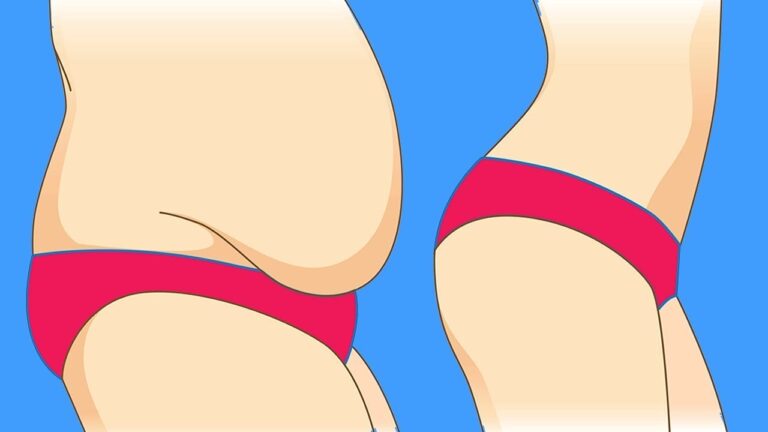
- Connection to Weight Gain
- Common Mistakes to Avoid
- FAQ
- Conclusion
Introduction
After a long day, it’s tempting to unwind by heading straight to bed after dinner. You might feel cozy and relaxed, ready to rest. However, doing so can lead to discomfort and disrupted sleep patterns, potentially affecting your overall health. As you continue reading, you’ll discover why this common habit may need re-evaluation.
Understanding Digestion
Your body goes through a complex process when you eat, known as digestion. To ensure this process works effectively, allowing your body to absorb nutrients, it’s crucial to consider your timing. Here’s what you need to know about how digestion functions:
1. How Digestion Works
Digesting food takes time. Once you eat, your body needs to break down the food molecules before they can be absorbed into your bloodstream. This process is most efficient when you remain upright, as gravity aids in moving food through your digestive tract.
2. Recommended Timeframe
Experts typically suggest waiting at least 2 to 3 hours after eating before lying down. This timeframe allows for the majority of digestion to occur, reducing discomfort and potential health issues.
3. Signs of Poor Digestion
Knowing your body is essential. Look out for signs of poor digestion, such as bloating, acid reflux, or general discomfort. These indicators suggest your body might not be processing food efficiently, particularly if you lie down too soon.
Impact on Sleep Quality
The relationship between what you eat and your sleep quality is significant. Eating right before bed can disrupt your sleep cycle in several ways:
1. Gastroesophageal Reflux Disease (GERD)
When you sleep after eating, you’re more likely to experience GERD, which can cause heartburn. This discomfort can lead to more wakefulness during the night, impacting the restorative aspects of sleep.
2. Sleep Disruptions
Heavy meals can lead to restless sleep. Instead of quality rest, you may find yourself waking up unsatisfied or groggy in the morning. Allowing time for digestion helps ensure you wake feeling refreshed.
3. Sleep Cycle Interference
Research indicates that sleeping right after eating can interfere with your sleep cycle. You may experience less REM sleep, which is vital for mental restoration and emotional health.
Connection to Weight Gain
There’s a strong correlation between sleeping after eating and potential weight gain. Understanding this link can help you make informed choices:
1. Caloric Surplus
If you regularly eat and then sleep, you’re likely consuming more calories than your body requires. This surplus can lead to weight gain over time, as your body may store the excess calories as fat.
2. Slowed Metabolism
Sleeping doesn’t burn calories the way movement does. When you sleep shortly after eating, your metabolism may slow down, making it harder to process food efficiently.
3. Hormonal Changes
Your body’s hormones regulate hunger and metabolism. Disrupted sleep patterns can lead to increased hunger hormones and reduced satiety signals, potentially causing you to overeat.
Common Mistakes to Avoid
1. Eating Large Portions
Eating large meals can significantly challenge your digestive system. Opt for smaller portions and distribute your meals throughout the day.
2. Choosing Heavy Foods
Consuming heavy, rich foods can lead to discomfort when lying down. Aim for a lighter meal or snack in the evening when you plan to sleep soon after.
3. Ignoring Body Signals
Your body often provides signals about when it’s ready for bed. Ignoring feelings of fullness or discomfort may lead to compromised health.
FAQ
1. How long should I wait to sleep after eating?
Most experts recommend waiting 2 to 3 hours after a meal before lying down to allow for proper digestion.
2. What are the best foods to eat if I get hungry before bed?
Opt for light snacks such as fruits, yogurt, or a handful of nuts, which can curb hunger without overwhelming your digestive system.
3. Does lying down affect weight loss?
Yes, lying down too soon after eating can lead to less efficient metabolism and potential weight gain, making it important to be mindful of meal timing.
Conclusion
Being aware of when to eat and when to rest can significantly improve your health and sleep quality. By avoiding the habit of sleeping right after eating, you’re not only aiding digestion but also promoting better overall well-being. What strategies do you implement to ensure you don’t sleep right after eating? Your thoughts are welcomed in the comments!