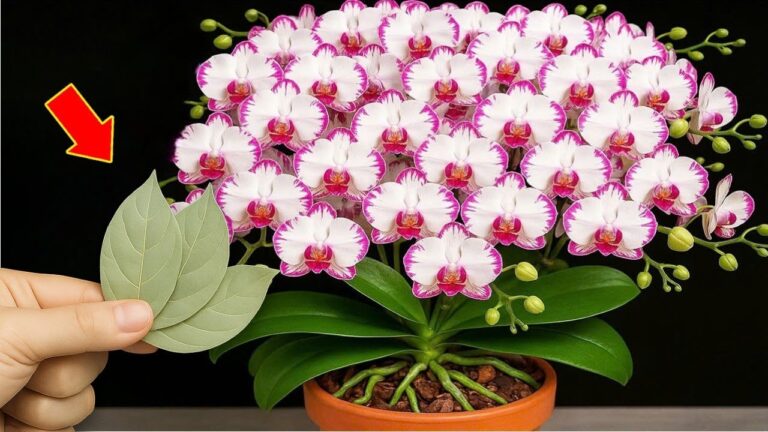
7 Secrets to Make Your Orchids Thrive with Nonstop Blooms
7 Secrets to Make Your Orchids Thrive with Nonstop Blooms
- Understanding Orchids
- Light Needs for Orchids
- Watering Techniques for Orchids
- Fertilizing Orchids Effectively
- Common Mistakes to Avoid
- FAQ
It’s frustrating when your beautiful orchids fail to bloom as expected. You might find yourself giving them the right light, water, and care, yet they still seem stuck in a vegetative state. With countless varieties and specific care requirements, understanding how to encourage these vibrant plants can be challenging. This guide will take you through essential tips that ensure your orchids produce stunning blooms throughout their life cycle. Let’s get started on making your orchids thrive!
Understanding Orchids
Before diving into care tips, it’s essential to understand a few basics about orchids
Types of Orchids
There are thousands of orchid varieties, each with unique needs. Some popular types include:
- Phalaenopsis (Moth Orchid) – known for long-lasting blooms
- Cattleya – appreciated for their vibrant colors and sizes
- Dendrobium – featuring tall stems and colorful flowers
Common Habitats
Orchids are typically epiphytic plants, meaning they often grow on trees rather than in soil. This characteristic affects their care requirements, particularly concerning moisture and light.
Light Needs for Orchids
Providing the right amount of light is crucial for your orchids to thrive.
Optimal Light Conditions
Most orchids prefer bright, indirect light. Direct sunlight can scorch their leaves. Consider these options:
- Place orchids near east or west-facing windows.
- Use sheer curtains to filter strong sunlight.
Signs of Inadequate Light
Keep an eye on your orchids for these indicators:
- Pale or bleached leaves suggest too much light.
- Dark green leaves indicate insufficient light.
Watering Techniques for Orchids
Getting the watering balance right is often the biggest challenge for orchid caregivers.
Watering Frequency
- Check the moisture level by inserting your finger into the potting medium.
- If the medium feels dry about an inch deep, it’s time to water.
- Water thoroughly until it drains from the bottom.
Water Quality
Use room temperature water, and if possible, opt for distilled or rainwater, as tap water may contain chemicals harmful to orchids.
Fertilizing Orchids Effectively
Regular fertilization is key to promoting healthy growth and abundant blooms.
Choosing the Right Fertilizer
Look for formats specifically formulated for orchids, containing balanced nutrients:
- A ratio of 30-10-10 is ideal for promoting foliage and blooms.
- Use a water-soluble fertilizer during the growing season.
Application Tips
- Dilute the fertilizer to half-strength before application.
- Apply every 2-4 weeks during the growing season.
- Avoid fertilizing during the dormant winter months.
Common Mistakes to Avoid
Many gardeners inadvertently make mistakes that can hinder orchid growth and flowering. Here are a few to watch for:
- Overwatering can lead to root rot and is a common issue.
- Ignoring humidity can damage the plant; orchids thrive in humid environments.
- Using regular potting soil restricts airflow; opt for orchid-specific mixes.
- Failing to repot can lead to cramped roots and stunted growth.
FAQ
How often should I water my orchids?
Orchids generally need watering every 1-2 weeks, depending on humidity and temperature. Always check the moisture level first.
Can orchids grow in low light?
While some orchids can tolerate lower light conditions, they typically thrive and bloom best in bright, indirect light.
When is the best time to fertilize orchids?
Fertilize your orchids every 2-4 weeks during their active growing season. Avoid fertilization in the winter when they tend to be dormant.
By understanding your orchids’ specific needs for light, water, and nutrients, you can create an environment where they flourish. With the right care, you’ll soon enjoy beautiful blooms that brighten your home. What types of orchids do you have in your collection? Share your experiences in the comments!