7 Shocking Effects on Your Body When You Skip Daily Bowel Movements!
7 Shocking Effects on Your Body When You Skip Daily Bowel Movements
- Introduction
- Impact on Overall Body Health
- Common Digestive Issues
- Connection to Mental Health
- Skin Problems Linked to Constipation
- Common Mistakes to Avoid
- FAQ
Introduction
Many of us lead busy lives and often overlook daily health routines, including bowel movements. You may find yourself skipping a day or two due to work, travel, or even stress, thinking it’s not a major issue. However, what you might not realize is that this habit can lead to several unexpected health complications. Understanding the effects of irregular bowel habits can encourage you to pay more attention to this essential part of your daily life.
Impact on Overall Body Health
Regular bowel movements play a crucial role in maintaining your overall body health. When you skip them, it may lead to a range of health issues. Here are some problematic effects:
1. Increased Toxicity
When waste builds up in your intestines, your body can actually become more toxic. This is because your digestive system has to work harder to process waste products. The longer the waste lingers, the more toxins are produced, leading to further health issues.
2. Physical Discomfort
Skipping bowel movements can result in bloating, cramping, and abdominal pain. These symptoms can make it difficult to focus on daily tasks and affect your overall quality of life.
3. Digestive Disorders
Long-term irregular bowel habits can contribute to more serious digestive disorders such as irritable bowel syndrome (IBS). When you consistently neglect this aspect of your health, complications can arise.
Common Digestive Issues
As your body struggles to manage waste, a range of digestive issues may surface:
1. Constipation
This is often the most immediate concern. Missing daily bowel movements can cause your stool to harden, making it painful to pass and leading to a cycle of discomfort.
2. Hemorrhoids
Straining during bowel movements because of constipation can lead to the development of hemorrhoids. This condition can cause significant pain and discomfort, along with bleeding.
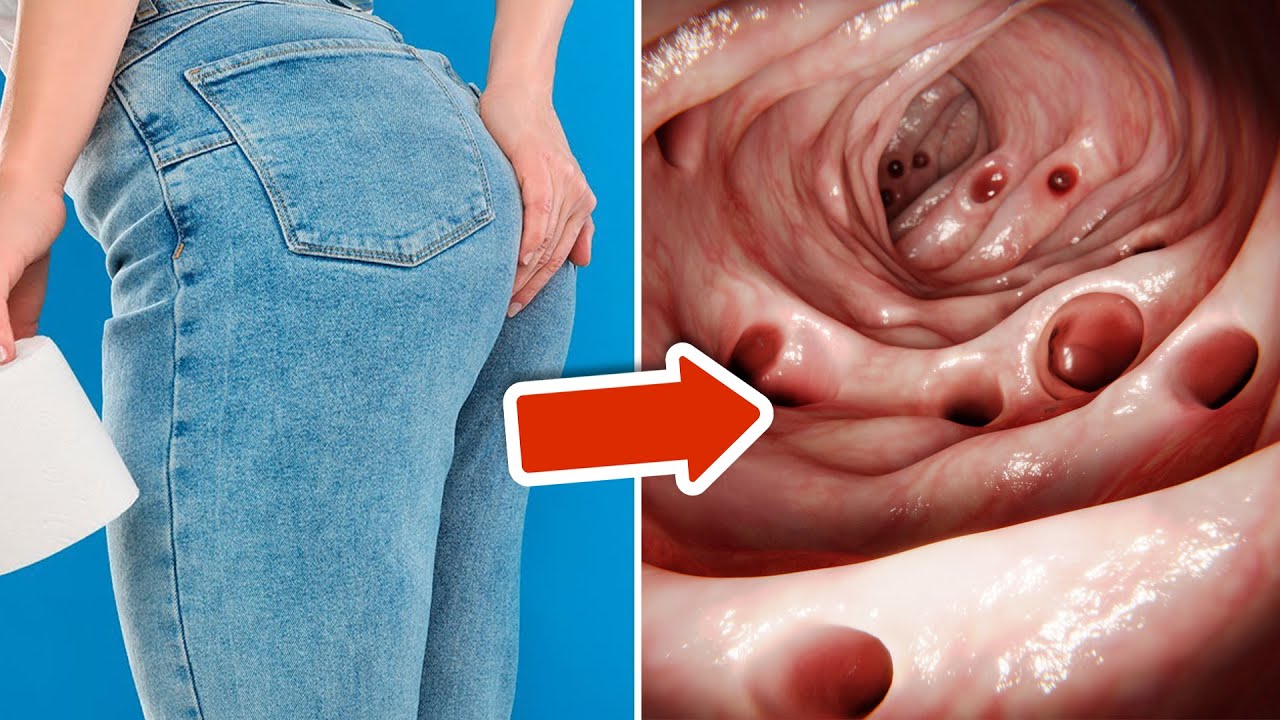
3. Diverticular Disease
Long-term constipation can increase the risk of diverticular disease, where small pouches form in your colon wall. This can lead to more serious complications, including infection.
Connection to Mental Health
Your gut health is inextricably linked to your mental health. Here’s how skipping bowel movements can affect your mood:
1. Increased Anxiety
When your digestive system is out of balance, it can lead to increased anxiety and mood swings. A regularly functioning digestive system can help promote a sense of well-being.
2. Depression
Studies have found connections between gut health and depression. Neglecting regular bowel movements can influence the production of serotonin, a key neurotransmitter linked to mood regulation.
3. Stress Levels
Often, the stress of feeling bloated or uncomfortable can create a vicious cycle, causing more stress and anxiety, which further interferes with digestion.
Skin Problems Linked to Constipation
Your skin may also reflect the health of your digestive system. Here’s how:
1. Breakouts
When toxins build up in your body due to skipped bowel movements, they can manifest as skin breakouts, especially on the face.
2. Dull Complexion
A poor digestive system can lead to a lack of essential nutrients reaching your skin, causing it to appear dull and lifeless.
3. Eczema and Other Conditions
In some cases, unresolved digestive issues can exacerbate skin conditions like eczema. Addressing your bowel health can lead to improvements in these areas.
Common Mistakes to Avoid
Many people may make mistakes that further aggravate their bowel health. Here are some common pitfalls to sidestep:
1. Ignoring the Urge
One significant mistake is ignoring the natural urge to go. Putting it off can lead to constipation.
2. Poor Diet Choices
A diet low in fiber can contribute to irregular bowel movements. Ensure you are consuming enough fruits, vegetables, and whole grains.
3. Dehydration
Not drinking enough water can harden your stool. Aim for adequate hydration to keep your digestive system functioning smoothly.
FAQ
1. How often should I have a bowel movement?
Most people should aim for a daily bowel movement, though frequency can vary. What’s important is the consistency and ease of passing stool.
2. What are some natural remedies for constipation?
Incorporating more fiber-rich foods, staying hydrated, and engaging in regular exercise can help promote regular bowel movements.
3. When should I see a doctor about bowel issues?
If you experience persistent constipation lasting more than a few weeks, accompanied by severe pain or blood in your stool, consult a healthcare professional.
Conclusion
Regular bowel movements are vital for maintaining both physical and mental health. By understanding these effects, you can take proactive steps to support your digestive system. What changes do you plan to make for better gut health?