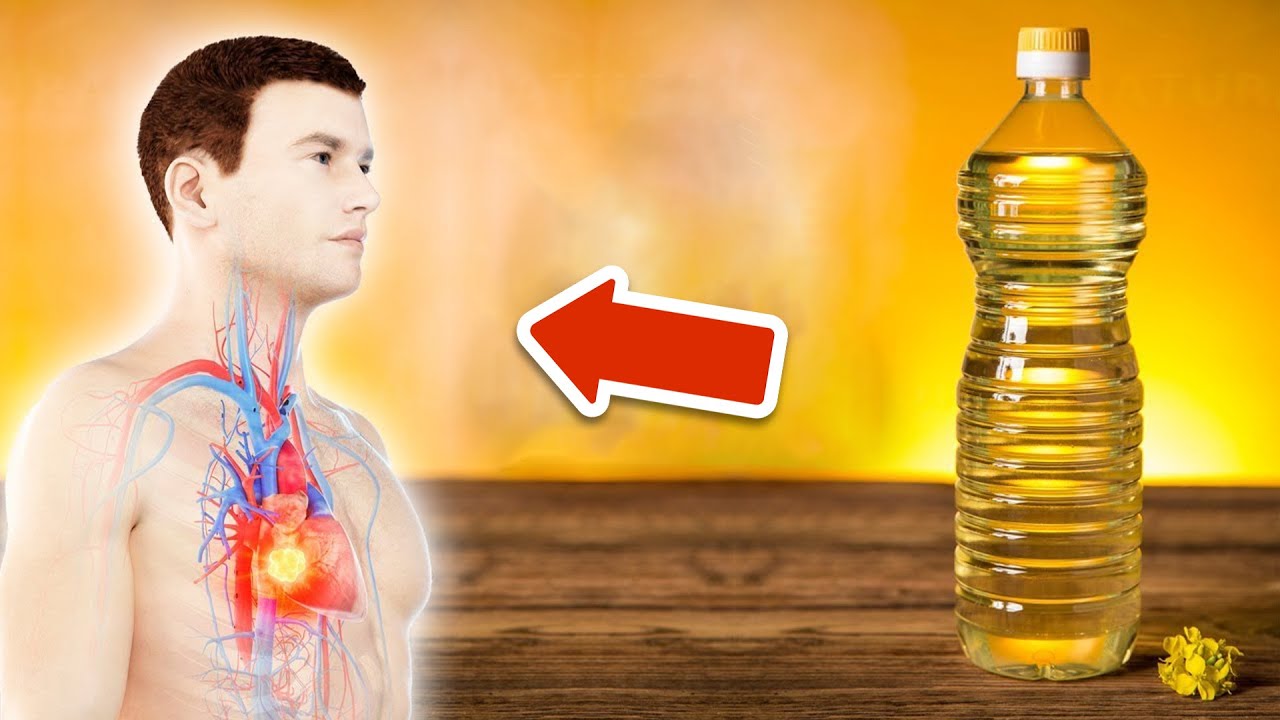
7 Shocking Reasons Why Rapeseed Oil Could Be Bad for Your Health
7 Reasons Why Rapeseed Oil Might Not Be Ideal for Your Health
- Understanding Rapeseed Oil
- Health Concerns with Rapeseed Oil
- Nutritional Analysis of Rapeseed Oil
- Common Mistakes to Avoid
- FAQ
Understanding Rapeseed Oil
Rapeseed oil is often hailed as a cooking staple in many kitchens around the globe. You might pour it into your favorite recipes, believing it’s a healthy alternative to other oils. However, it’s essential to delve deeper into what makes this oil tick and the potential implications for your well-being. Many people are unaware of the controversies surrounding this seemingly benign product. Bringing awareness to the nuances of rapeseed oil is crucial before you decide how to incorporate it into your meals.
Health Concerns with Rapeseed Oil
One of the primary aspects to consider about rapeseed oil is its health ramifications. Below are some significant concerns you should be aware of:
1. High Omega-6 Fatty Acids
While omega-6 fatty acids are essential for your health, excessive consumption can lead to inflammation and other health issues. Rapeseed oil is rich in omega-6, which might disrupt your omega-3 to omega-6 ratio if consumed in large amounts.
2. Refinement Process
The method by which rapeseed oil is refined can significantly compromise its quality. This typically includes high heat and processing chemicals, resulting in the loss of natural nutrients and potentially introducing harmful substances. Opting for cold-pressed variants can mitigate some of these issues.
3. Potential for Allergies
Some individuals may experience allergic reactions to rapeseed oil. Such reactions could range from mild symptoms to more severe conditions. Always consider your body’s unique responses when determining the best oils for your cooking needs.
Nutritional Analysis of Rapeseed Oil
To make informed decisions regarding your cooking oils, it’s essential to analyze the nutrition facts related to rapeseed oil. Below are some important factors:
1. Caloric Content
Rapeseed oil delivers a significant caloric density, making it essential to be mindful of your portion sizes when using it in recipes. A simple dressings or cooking technique can easily tip the balance of your daily caloric intake.
2. Vitamin E and K
Despite its drawbacks, rapeseed oil offers certain benefits. It’s a good source of vitamin E and K, which are vital for various bodily functions. These nutrients contribute to skin health and assist in proper blood clotting.
3. Trans Fats Presence
Depending on the processing, some brands may contain trans fats—unhealthy fats that can increase your risk of heart disease. Always check the nutritional label to ensure you’re making a healthy choice.
Common Mistakes to Avoid
When incorporating rapeseed oil into your diet, there are certain pitfalls you should steer clear of:
- Ignoring Label Details: Always read the label to check for added ingredients or trans fats.
- Using Expired Oil: Old or expired oils can develop off-flavors and harmful compounds. Always check the expiration date.
- Using Too Much Oil: Excessively using any oil can lead to unhealthy weight gain. Moderation is key.
- Overheating the Oil: High cooking temperatures can cause rapeseed oil to break down and produce harmful compounds.
FAQ
Q: Is rapeseed oil the same as canola oil?
A: While often used interchangeably, canola oil is derived from a specific variety of rapeseed that has lower levels of erucic acid, making it food-safe.
Q: Can I substitute rapeseed oil with another oil?
A: Yes, alternatives like olive oil, avocado oil, or coconut oil may provide healthier fats and flavors for your dishes.
Q: What is the best way to store rapeseed oil?
A: Store it in a cool, dark place in a tightly sealed container to maintain freshness and prevent oxidation.
Conclusion
Understanding the nuanced features of rapeseed oil can help you make healthier choices for your cooking and well-being. By being aware of the potential pitfalls and nutritional profile, you can ensure a balanced approach in your kitchen. What oils do you prefer for cooking, and why? Feel free to share in the comments below.