
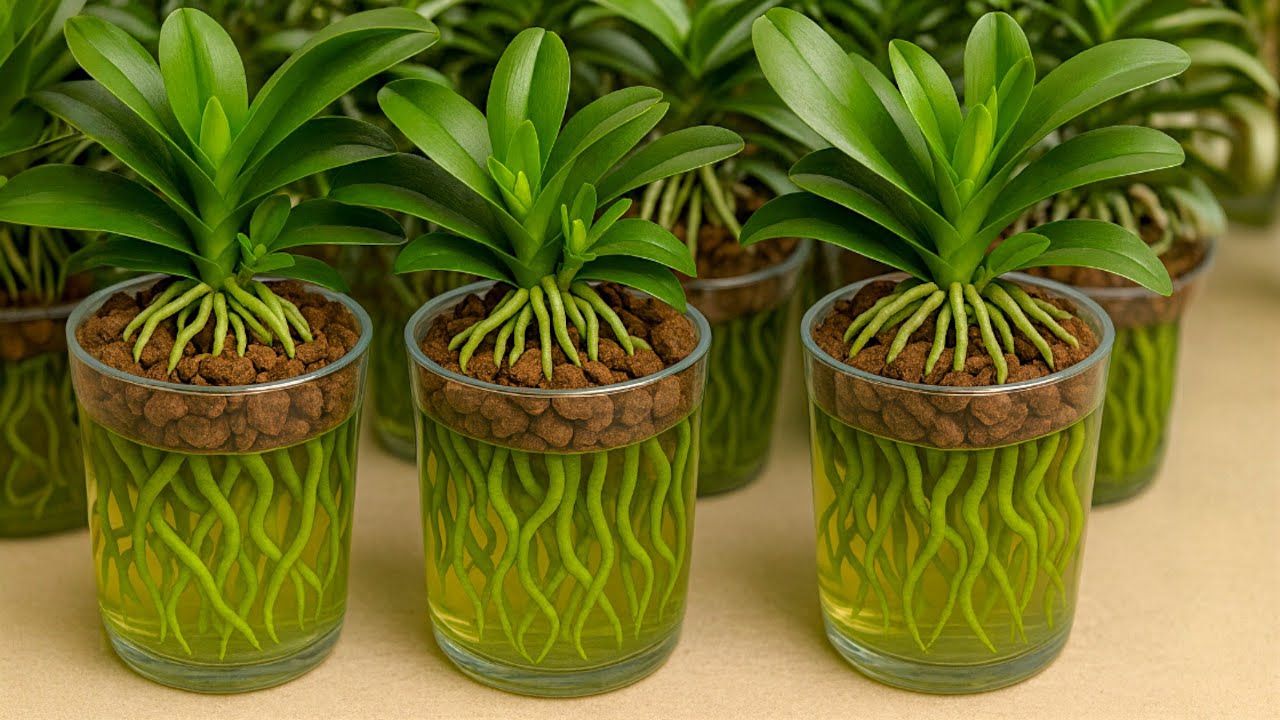
7 Simple Steps to Keep Your Orchids Thriving Forever
7 Steps to Keep Your Orchids Thriving
- Introduction
- Understanding Orchids
- Ideal Care for Your Orchids
- Common Mistakes to Avoid
- FAQ
- Conclusion
Introduction
Have you ever bought an orchid, only to watch it wilt away in a few weeks? You’re not alone; many people struggle with these beautiful plants despite their popularity. Unlike ordinary houseplants, orchids have specific requirements that can leave you feeling overwhelmed. However, with the right knowledge and care, you can ensure that your orchids not only survive but thrive in your home. Let’s explore how to nurture these elegant beauties so they can flourish for years to come.
Understanding Orchids
Before diving into care techniques, it’s essential to understand what makes orchids unique:
The Nature of Orchids
Orchids are epiphytic plants, which means they naturally grow on other surfaces, like trees, without harming them. They need good air circulation and a well-draining potting mix that mimics their native habitat.
Different Types of Orchids
There are thousands of orchid species; the most common types include Phalaenopsis, Cattleya, and Dendrobium. Each type may have specific care needs, so knowing your orchid’s genus can help you provide tailored care.
Ideal Care for Your Orchids
To keep your orchids thriving, follow these essential steps:
1. Select the Right Potting Mix
Your orchids thrive in a well-draining mix, often made of materials like bark, moss, and perlite. A suitable mix allows air to reach the roots while retaining necessary moisture.
2. Provide Adequate Light
Orchids generally prefer bright, indirect sunlight. A window with filtered light is ideal to prevent leaf burn while still providing sufficient energy for growth.
3. Water Smartly
Overwatering is a common issue; ensure you water only when the potting mix feels dry to the touch. Water in the morning to allow excess moisture to evaporate during the day.
4. Maintain Humidity
Orchids thrive in high humidity (around 40-60%). Consider misting your plants or placing a humidity tray filled with water near them for a moisture boost.
5. Fertilize Regularly
Use a balanced orchid fertilizer every two weeks during the growing season. Dilute it to half the recommended strength to avoid nutrient burn.
Common Mistakes to Avoid
Even with the best intentions, common errors can hinder your orchid’s growth:
- 1. Overwatering: This is the top reason for orchid decline. Always check moisture levels before watering.
- 2. Poor lighting: Too much direct sunlight can scorch leaves, while too little can hinder blooming. Find a balance.
- 3. Sitting in water: Ensure your pots have drainage holes. Standing water can lead to root rot.
- 4. Neglecting to repot: Orchids benefit from being repotted every couple of years to refresh their growth medium.
- 5. Ignoring signs of distress: Watch for leaf yellowing or drooping; these are signs that adjustments may be necessary.
FAQ
How often should I water my orchids?
Water your orchids when the top inch of the potting medium feels dry. Depending on the environment, this could be every 1-2 weeks.
Can I use regular houseplant fertilizer on my orchids?
While you can use it occasionally, orchid-specific fertilizer is better suited to meet their unique nutritional needs.
How can I encourage my orchids to bloom?
Ensure your orchids receive adequate light and apply a fertilizer suited for blooming. Adjusting the temperature at night can also encourage flowering.
Conclusion
With the right care, your orchids can flourish and bring beauty to your space for years. Understanding their unique needs will help you succeed as a caregiver. Have you encountered challenges in caring for your orchids? Share your experiences in the comments.