7 Tips to Grow Orchids Fast and Enjoy Long-Lasting Blooms!
7 Essential Tips for Growing Orchids Fast and Enjoying Lasting Blooms
- Creating the Ideal Environment
- Choosing the Right Orchid
- Watering and Nourishing Orchids
- Common Mistakes to Avoid
- FAQ
Creating the Ideal Environment
When you decide to grow orchids, the first step is to create an environment that mimics their natural habitat. Orchids thrive in conditions with filtered light, humidity, and good air circulation. Your home’s environment may not naturally provide this, which can lead to stunted growth or non-blooming orchids.
1. Assess Light Conditions
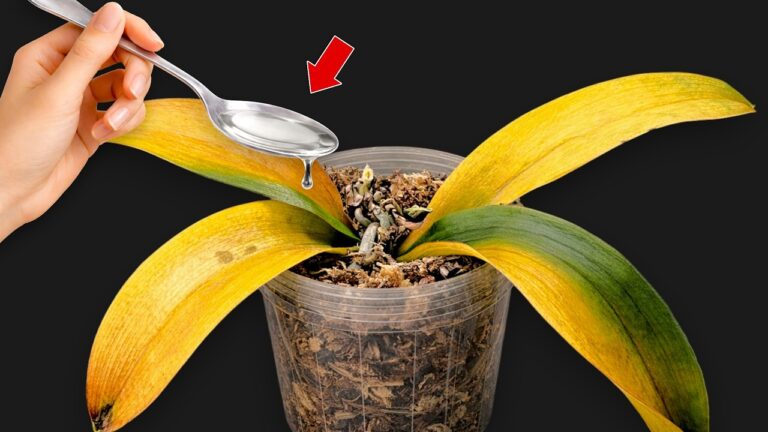
Orchids require bright, indirect light. Placing them near east or west-facing windows can provide this. If you notice yellowing leaves, it may be a sign of too much direct sunlight, while dark green leaves indicate insufficient light.
2. Maintain Humidity
Orchids benefit from humidity levels between 50% and 70%. You can increase humidity by:
- Using a humidity tray filled with water and pebbles.
- Grouping plants together to create a microenvironment.
- Using a humidifier, particularly in drier months.
3. Ensure Proper Air Circulation
Good air movement prevents fungal infections. You can enhance air circulation by placing a small fan nearby or ensuring they are not crowded by other plants.
Choosing the Right Orchid
Selecting the right type of orchid can make all the difference in your growing experience. Not all orchids are the same, and some are more forgiving for beginners than others.
1. Popular Beginner Varieties
Consider starting with these easy-to-grow orchids:
- Phalaenopsis: Commonly known as the moth orchid.
- Paphiopedilum: Also known as lady’s slipper orchids.
- Dendrobium: Known for their vibrant colors and unique shapes.
2. Research Care Requirements
Before selecting an orchid, research specific care requirements such as light, water, and temperature needs to ensure you can meet them.
3. Purchase Healthy Plants
Choose orchids that have healthy roots and vibrant leaves. Avoid plants with yellowed or wilting leaves, which signify stress or disease.
Watering and Nourishing Orchids
Proper watering and feeding play crucial roles in healthy orchid growth. Over-watering is a common mistake that leads to root rot.
1. Watering Techniques
Orchids generally prefer to dry out slightly between waterings. Follow these steps:
- Check the potting medium; water only when it feels dry to the touch.
- Water thoroughly until it drains from the bottom of the pot.
- Avoid letting your orchids sit in water.
2. Fertilizing Orchids
Use a balanced fertilizer specifically for orchids. Feed them every two weeks during the growing season and every month during dormancy.
3. Recognizing Nutrient Deficiencies
Pale leaves or lack of blooming may indicate a need for additional nutrients. Adjust your feeding schedule accordingly.
Common Mistakes to Avoid
Managing orchids can be rewarding but comes with its pitfalls. Avoid these common mistakes to ensure your plants thrive.
1. Overwatering
One of the most frequent mistakes is overwatering, which can lead to root rot and ultimately kill your orchid.
2. Insufficient Light
Placing your orchid in a dark corner will stunt its growth. Ensure it receives enough light without direct sunlight.
3. Ignoring Temperature Fluctuations
Orchids thrive in specific temperature ranges. Extreme changes, especially cold drafts, can shock the plant.
4. Neglecting Repotting
Orchids can outgrow their pots. Repot every one to two years to refresh the medium and give roots room to grow.
5. Failing to Monitor Pests
Keep an eye out for pests like aphids or mealybugs, which can damage your plants. Regularly checking and cleaning leaves can help.
FAQ
1. How often should I water my orchids?
Water your orchids approximately once a week or when the potting medium feels dry to the touch, usually every 7-10 days.
2. Why are my orchid leaves turning yellow?
Yellow leaves can indicate overwatering, insufficient light, or nutrient deficiencies. Assess your care routine to determine the cause.
3. How long do orchid blooms last?
Orchid blooms typically last from a few weeks to several months, depending on the species and care conditions.
Conclusion
By creating the right environment and understanding how to water and nourish your orchids, you can enjoy vibrant blooms for extended periods. Have you encountered any challenges in growing orchids? Share your experiences in the comments below!