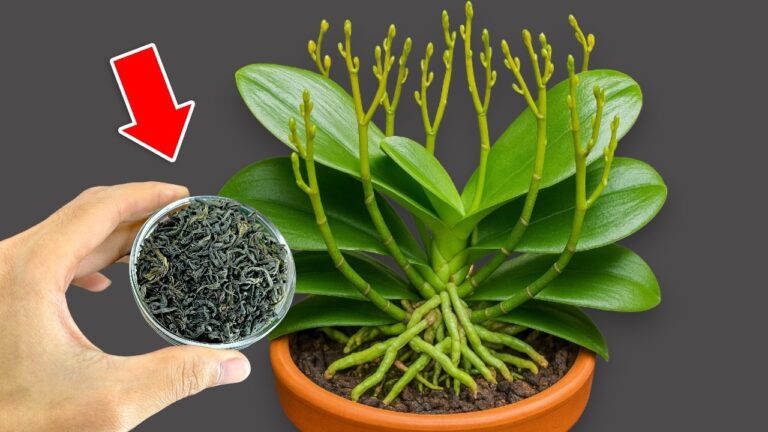
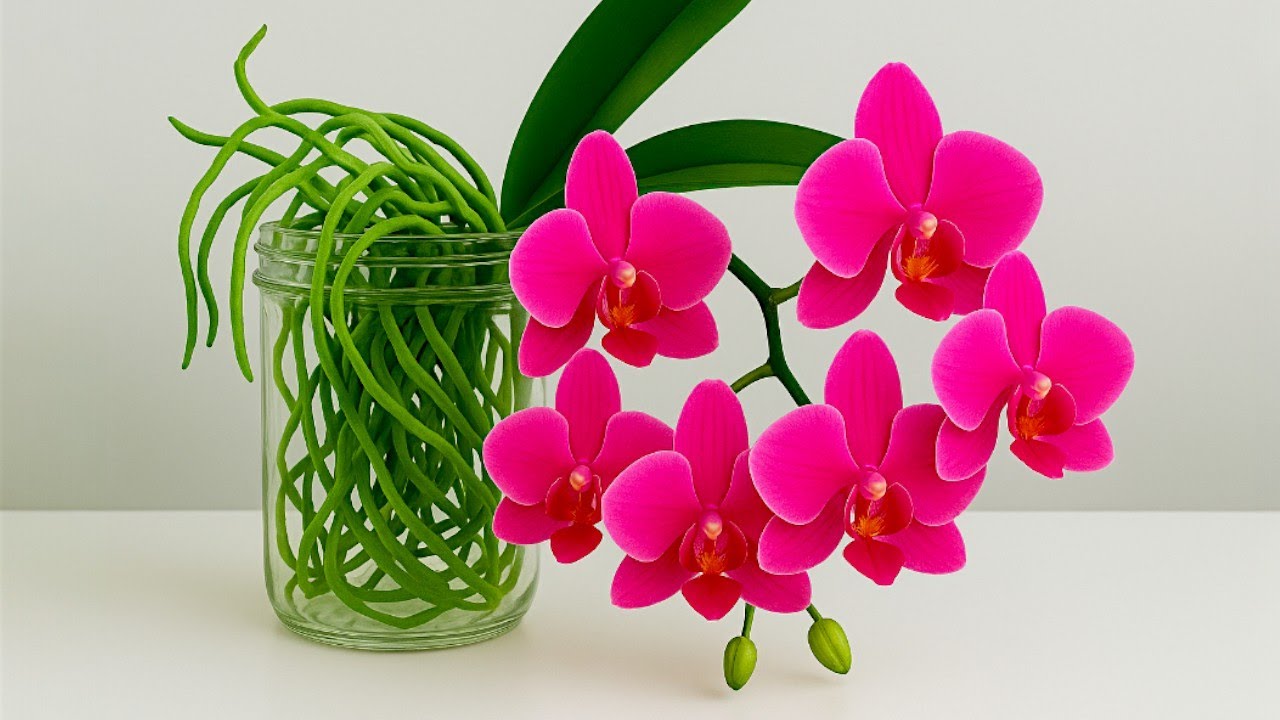
Unlock 5 Secrets to Thriving Orchids: Switch to This Game-Changing Soil Alternative!
Unlock the Secrets to Thriving Orchids with the Best Soil Alternatives
- Introduction
- Understanding Orchids and Their Needs
- Benefits of Soil Alternatives for Orchids
- Top Soil Alternatives for Orchids
- Common Mistakes to Avoid
- FAQ
- Conclusion
Introduction
If you’ve ever struggled to keep your orchids healthy, you’re not alone. Many orchid lovers find it challenging to maintain vibrant blooms and lush foliage. Issues like soggy roots, lack of drainage, and nutrient deficiencies can lead to frustration. The right soil mix can make a world of difference in creating an ideal growing environment. Let’s explore how switching to effective soil alternatives can revolutionize your orchid care.
Understanding Orchids and Their Needs
Orchids are unique plants, often requiring specific conditions for optimal growth. Understanding their natural habitat is key to successful cultivation.
Natural Habitat of Orchids
Most orchids thrive in tropical or subtropical climates, where they can be found growing in trees or on rocks. This means they typically prefer conditions that mimic these environments, with well-draining substrates.
Water and Light Requirements
Orchids generally prefer indirect light and need a delicate balance of moisture. Overwatering can be harmful, making the choice of soil crucial in preventing root rot.
Benefits of Soil Alternatives for Orchids
Switching to appropriate soil alternatives provides several advantages for your orchids.
Enhanced Drainage
Proper alternatives allow for better drainage, which is essential for maintaining healthy root systems. This reduces the risk of waterlogging and root disease.
Improved Nutrient Availability
Using the right mix will enable your orchids to access essential nutrients more effectively, promoting vibrant blooms and healthy growth.
Top Soil Alternatives for Orchids
There are several excellent soil alternatives that cater specifically to the needs of orchids.
1. Bark Mix
Bark mix is a popular choice, as it mimics the natural habitat of orchids. It provides excellent aeration and drainage.
2. Sphagnum Moss
Sphagnum moss retains moisture while allowing for good airflow, making it an effective alternative to traditional soil.
3. Coconut Coir
Coconut coir is a sustainable option, praised for its ability to retain moisture without becoming overly saturated.
4. Perlite or Pumice
These materials can be added to any mix to enhance drainage and aeration. They help prevent the soil from compacting.
5. Charcoal
Adding charcoal helps with odor control and provides a clean environment for the roots. It also improves drainage.
Common Mistakes to Avoid
Even with the right knowledge, some common pitfalls can hinder your orchid care.
1. Overwatering
One of the most frequent mistakes is overwatering. Always allow the roots to dry out between waterings.
2. Using Standard Potting Soil
Orchids should not be planted in traditional potting soil, which can trap moisture and choke the roots.
3. Ignoring Fertilizer Needs
Orchids require special fertilizers to meet their unique nutrient needs. Don’t forget a balanced feeding regimen.
4. Poor Lighting Conditions
Providing too little or too much light can stress your orchids. Ensure they have the right amount of indirect light.
5. Neglecting Container Choice
Choosing containers without drainage holes can lead to stagnant water and root rot. Always select pots that allow for proper drainage.
FAQ
What is the best soil mix for orchids? A mix of bark, sphagnum moss, and perlite works best for most orchids, providing drainage and moisture retention.
How often should I water my orchids? Water your orchids when the top inch of the soil feels dry, typically every 1-2 weeks, depending on environmental conditions.
Can I use regular potting soil for orchids? It’s not recommended, as regular potting soil can retain too much moisture, which is harmful to orchid roots.
Conclusion
Choosing the right soil alternatives is essential for a thriving orchid collection. With the right materials and practices, your orchids can reach their full potential. What soil alternatives have you found to be most effective for your orchids? Share your experiences in the comments below.