
20 Super Nutritious Vegetables to Grow for Maximum Vitamins
20 Super Nutritious Vegetables to Grow for Maximum Vitamins
Growing your own vegetables can be one of the most rewarding experiences. Not only do homegrown crops taste better than store-bought versions, but they are also packed with essential nutrients. If you’re looking to maximize your health, here are 20 of the most nutrient-dense vegetables you can grow in your garden.
Understanding Nutrient Density
Nutrient density refers to the amount of essential nutrients per serving of a food item. The 2014 study, “Defining Powerhouse Fruits and Vegetables,” evaluated various crops based on their vitamin and mineral content. Here, we highlight the top vegetables based on their nutrient density scores.
Top 20 Nutritious Vegetables
-
Watercress
Watercress (Nasturtium officinale) is a semi-aquatic herb known for its peppery flavor. It has the highest nutrient density score of 100, with excellent levels of vitamins A, C, and K.
- Calories: 11 per serving
- Hardiness Zone: 5 to 10
- Sun Exposure: Full sun to part shade
-
Bok Choy
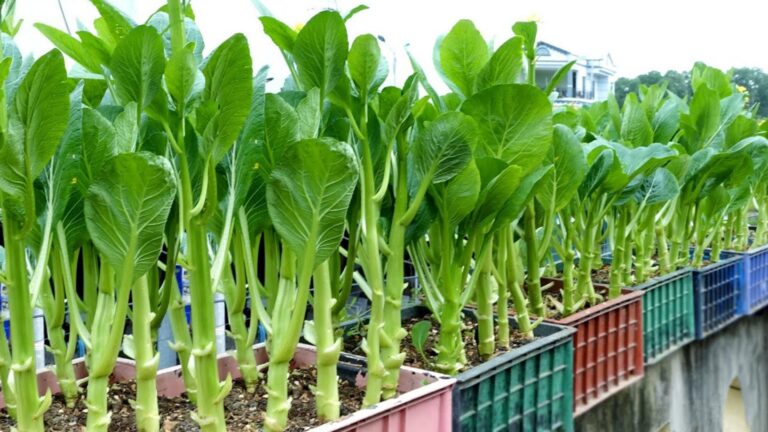
Bok choy (Brassica rapa var. chinensis) is a quick-growing crop that offers vitamins A, C, and K in abundance. Its crisp texture makes it perfect for stir-fries.
- Calories: 13 per serving
- Nutrient Density Score: 92
- Hardiness Zone: Annual; biennial in zones 4 to 7
- Sun Exposure: Full sun to part shade
-
Swiss Chard
Swiss chard (Beta vulgaris var. vulgaris) features colorful stems and is a versatile leafy green. It is rich in vitamins A, K, and C.
- Calories: 19 per serving
- Nutrient Density Score: 89
- Hardiness Zone: Annual; biennial in zones 6 to 10
- Sun Exposure: Full sun to part shade
-
Beet Greens
Beet greens (Beta vulgaris) can be harvested while waiting for the root bulbs to develop. They’re loaded with essential vitamins.
- Calories: 22 per serving
- Nutrient Density Score: 87
- Hardiness Zone: Annual
- Sun Exposure: Full sun to part shade
-
Spinach
Spinach (Spinacia oleracea) is a garden favorite. It’s quick to grow and offers a wealth of nutrients.
- Calories: 23 per serving
- Nutrient Density Score: 86
- Hardiness Zone: Annual
- Sun Exposure: Full sun to part shade
-
Leaf Chicory
Chicory (Cichorium intybus) features a slightly bitter taste, best enjoyed when young and tender.
- Calories: 23 per serving
- Nutrient Density Score: 73
- Hardiness Zone: 3 to 8
- Sun Exposure: Full sun
-
Leaf Lettuce
Leaf lettuce (Lactuca sativa) is easy to grow and can be harvested continuously.
- Calories: 15 per serving
- Nutrient Density Score: 70
- Hardiness Zone: Annual
- Sun Exposure: Full sun to part shade
-
Parsley
Parsley (Petroselinum crispum) is a nutrient-dense herb often used as a garnish.
- Calories: 36 per serving
- Nutrient Density Score: 66
- Hardiness Zone: Biennial in zones 5 to 9
- Sun Exposure: Full sun to part shade
-
Romaine Lettuce
Romaine lettuce (Lactuca sativa var. longifolia) is known for its crispness and nutrient content.
- Calories: 17 per serving
- Nutrient Density Score: 63
- Hardiness Zone: Annual
- Sun Exposure: Full sun to part shade
-
Collard Greens
Collards (Brassica oleracea var. acephala) are sweet and nutritious, perfect for Southern cooking.
- Calories: 30 per serving
- Nutrient Density Score: 62
- Hardiness Zone: Annual
- Sun Exposure: Full sun to part shade
-
Turnip Greens
Turnip greens (Brassica rapa var. rapa) can be harvested as early as 4 inches in height.
- Calories: 32 per serving
- Nutrient Density Score: 62
- Hardiness Zone: Annual
- Sun Exposure: Full sun to part shade
-
Mustard Greens
Mustard greens (Brassica juncea) provide a spicy kick and numerous health benefits.
- Calories: 26 per serving
- Nutrient Density Score: 61
- Hardiness Zone: Annual
- Sun Exposure: Full sun to part shade
-
Endive
Endive (Cichorium endiva) offers a unique bitter flavor that adds depth to salads.
- Calories: 17 per serving
- Nutrient Density Score: 60
- Hardiness Zone: Annual; biennial in zones 4 to 9
- Sun Exposure: Full sun to part shade
-
Chives
Chives (Allium schoenoprasum) are perennial herbs with a subtle oniony flavor.
- Calories: 30 per serving
- Nutrient Density Score: 55
- Hardiness Zone: 3 to 9
- Sun Exposure: Full sun to light shade
-
Kale
Kale (Brassica oleracea var. acephala) is a superstar among leafy greens, known for its health benefits.
- Calories: 50 per serving
- Nutrient Density Score: 49
- Hardiness Zone: Annual; biennial in zones 7 to 9
- Sun Exposure: Full sun to part shade
-
Dandelion Greens
Dandelion greens (Taraxacum officinale) are often considered a weed but are highly nutritious.
- Calories: 45 per serving
- Nutrient Density Score: 46
- Hardiness Zone: 3 to 9
- Sun Exposure: Full sun to part shade
-
Red Pepper
Red peppers (Capsicum annuum) are vibrant and nutrient-dense, especially when fully ripened.
- Calories: 31 per serving
- Nutrient Density Score: 41
- Hardiness Zone: Annual
- Sun Exposure: Full sun
-
Arugula
Arugula (Eruca vesicaria var. sativa) is a fast-growing leafy green known for its peppery taste.
- Calories: 25 per serving
- Nutrient Density Score: 38
- Hardiness Zone: Annual
- Sun Exposure: Full sun
-
Broccoli
Broccoli (Brassica oleracea var. italica) is a staple in many gardens due to its nutritional benefits and versatility.
- Calories: 34 per serving
- Nutrient Density Score: 35
- Hardiness Zone: Annual
- Sun Exposure: Full sun
-
Pumpkin
Pumpkin (Cucurbita pepo) is not just for pies! It provides significant nutrients from its flesh.
- Calories: 26 per serving
- Nutrient Density Score: 34
- Hardiness Zone: Annual
- Sun Exposure: Full sun
Conclusion
Growing your own nutrient-dense vegetables can elevate your health and enhance your culinary experiences. From the decidedly nutrient-rich watercress to the versatile pumpkin, each of these crops brings its unique flavors and health benefits to your table. Start planning your garden today and enjoy the fresh, vibrant flavors of homegrown produce!