Grow Your Own Indoor Meyer Lemon Tree That Actually Bears Fruit
Grow Your Own Indoor Meyer Lemon Tree That Actually Bears Fruit
Lemons are one of the most versatile fruits for cooking and baking. But did you know you can grow them right in your home? While most citrus trees thrive outdoors in warm, humid climates, the Meyer lemon tree is perfectly suited for pot cultivation indoors. After years of successfully growing our own lemons, we’re excited to share our top tips for you to do the same!
Why Grow Meyer Lemon Trees?
Absolutely! You can successfully cultivate these beauties indoors. If you’ve never tasted a fresh Meyer lemon, you’re missing out! Sweeter than regular lemons, they create the most delicious lemonade. The reason you don’t often see them in grocery stores is their soft skin, which makes shipping challenging. Instead of buying Meyer lemons, why not grow your own? When potted, these trees reach around 4 feet, making them ideal for indoor spaces.
Lemon Tree Buying Tips
- Purchase from a reputable nursery with positive reviews.
- Buy local if possible for easy returns and to avoid shipping stress.
- If shopping online, Stark Bros is a reputable supplier known for healthy trees.
- Opt for the largest, oldest tree you can afford; older trees produce fruit sooner.
Our first tree took years to bear fruit, but the second tree was already flowering upon arrival. The extra investment paid off with quicker yields!
Light Requirements
Indoor Light
Providing adequate light is crucial for growing a lemon tree indoors. Place your tree in a south-facing window for maximum sunlight exposure. We use a grow light to supplement natural light and recommend setting it on an automatic timer. For instance, our grow light operates from 5 AM to 8 AM and again from 5 PM to 8 PM, adapting well to dark winters.
Outdoor Light
When temperatures remain above 50 degrees, move your lemon tree outside. Nothing beats real sunlight and fresh air! Ideally, lemon trees prefer at least eight hours of sun. Acclimate your tree by gradually introducing it to brighter conditions over a couple of weeks.
Soil and Potting
Most citrus trees need re-potting soon after purchase. Aim to repot into a larger container with drainage holes during the first week. A loamy soil mix, preferably designed for citrus, works best for drainage. If you can’t find specialized soil, mix regular potting soil with sphagnum peat moss.
Watering
Watering can be tricky. Use the finger test: stick your index finger into the soil up to the second knuckle. If it feels dry, water thoroughly. In summer, especially if the tree is outside, you may need to water daily due to faster soil drying.
Fertilizing
Meyer lemon trees are heavy feeders, requiring regular fertilization. Use a citrus-specific fertilizer. Various forms exist, including organic options and foliar sprays. Apply it close to the pot edges and keep track of feedings on your calendar to maintain a consistent schedule.
Pollination
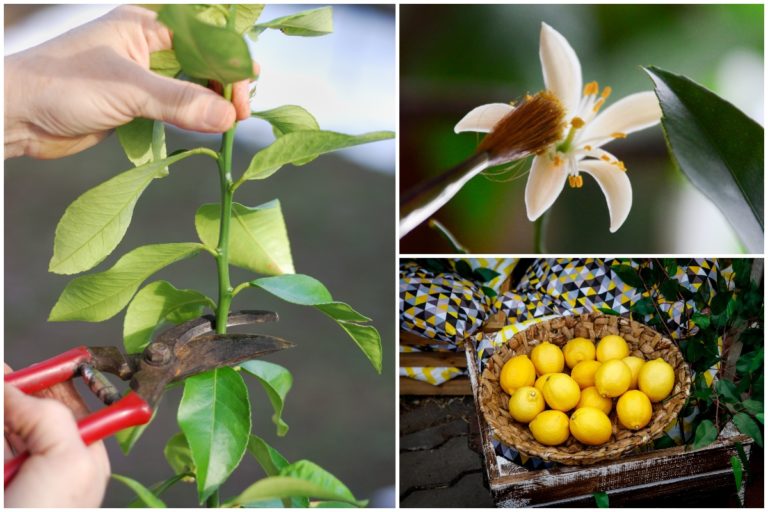
Your Meyer lemon tree will flower in spring and fall, and it’s self-pollinating. However, if grown indoors, you’ll need to hand-pollinate flowers using a paintbrush or q-tip to transfer pollen.
Pruning
Even a small indoor lemon tree needs periodic pruning to maintain shape. Use heading cuts to promote growth and thinning cuts to remove oddly shaped or long branches. You can remove up to a third of the tree at a time.
Common Meyer Lemon Pests & Diseases
While indoor cultivation helps avoid many serious pests, stay alert for a few common issues:
- Spider Mites: Look for yellow stippling and webbing. Misting your tree regularly can prevent infestations.
- Scale: Brown bumps on stems and sticky leaves can indicate scale. Immediate attention is needed.
- Root Rot: Caused by overwatering, it can quickly kill a plant. Ensure secure drainage to prevent this issue.
Harvesting Fruit
The toughest part about growing Meyer lemons is the wait for ripening. Unlike some fruits, Meyer lemons need to be fully ripe before harvesting, which can take up to a year if grown indoors. Look for bright yellow fruit that feels slightly soft before picking.
Enjoy your lemons in countless recipes, especially lemonade! Now that you’re equipped with the knowledge to care for a Meyer lemon tree, you might find yourself venturing into cultivating other fruit trees as well. There’s an abundance of fruit varieties you can grow indoors!
Conclusion
Growing a Meyer lemon tree indoors can be a rewarding experience, resulting in delicious fruit that enhances your culinary endeavors. With the right care, you’ll cultivate a lush indoor oasis bursting with flavor.