Unlock Year-Round Blooms: Just 1 Cup a Month for Lush Roots and Flowers!
Unlock Year-Round Blooms: Just 1 Cup a Month for Lush Roots and Flowers!
- Introduction
- Benefits of Monthly Feeding
- Ideal Ingredients for Blooming Plants
- Step-by-Step Guide to Monthly Feeding
- Common Mistakes to Avoid
- FAQ
- Conclusion
Introduction
Picture your garden, vibrant with blooms throughout the year, each flower a testament to your care and attention. Yet, maintaining this beauty can sometimes feel overwhelming, especially when you’re unsure how to keep your plants thriving in every season. Could a simple monthly meal be the key to transforming your garden? Let’s explore how you can nourish your plants with just one cup a month, ensuring lush roots and stunning flowers. Read on to uncover the secrets of year-round blooms.
Benefits of Monthly Feeding
Feeding your plants regularly has tremendous rewards. Embracing a monthly feeding routine can help cultivate an environment where your flowers flourish. Here are some key benefits:
1. Promotes Healthy Growth
Providing nutrients supports healthy growth in your plants, boosting their vigor and resilience against pests and diseases.
2. Enhances Flower Production
Regular feeding encourages more blooms, allowing your garden to showcase a spectacular array of colors and shapes.
3. Strengthens Root Systems
A strong root system is essential for overall plant health. Monthly feeding helps develop robust roots that provide stability and access to nutrients.
Ideal Ingredients for Blooming Plants
Choosing the right ingredients for your monthly feeding is crucial for maximizing the health of your plants. Here are some excellent options:
1. Compost
Compost is rich in organic matter and can enhance soil fertility. Incorporating it into your feeding routine provides essential nutrients and improves soil structure.
2. Epsom Salt
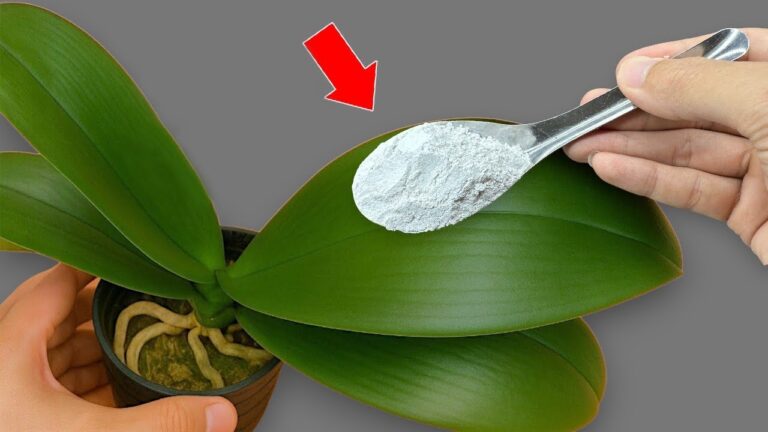
Epsom salt supplies magnesium, which is vital for photosynthesis. A monthly pinch can help your plants produce vibrant blooms.Try mixing a tablespoon with water and applying it directly to the soil.
3. Bone Meal
Bone meal is an excellent source of phosphorus, promoting flowering in plants. Adding a couple of tablespoons per month can ensure your plants thrive in their blooming season.
Step-by-Step Guide to Monthly Feeding
To ensure your plants receive the right nutrients, follow this simple guide:
- Gather your materials. You will need compost, Epsom salt, and bone meal.
- Mix your ingredients. In a bucket, combine one cup of compost, one tablespoon of Epsom salt, and two tablespoons of bone meal.
- Apply the mixture. Distribute the mixture evenly around the base of your plants, taking care not to touch the stems.
- Water thoroughly. After application, give your plants a good watering to help the nutrients penetrate the soil.
Additional Tips
- Consider doing this in the morning or late afternoon to avoid intense sun exposure.
- Monitor your plants for any signs of nutrient deficiency, adjusting your ingredients as necessary.
Common Mistakes to Avoid
Even with the best intentions, some mistakes can occur. Here are common missteps to watch out for:
- Overfeeding. Too much of a good thing can harm your plants. Stick to the recommended amounts for each ingredient.
- Ignoring water requirements. Forgetting to water after feeding can lead to nutrient buildup in the soil, harming delicate roots.
- Feeding during dormancy. Most plants slow their growth in colder months; feeding during this time can be counterproductive.
FAQ
How often should I feed my plants? Aim to feed your plants once a month, adjusting based on their growth stage and environmental conditions.
Can I use any type of compost? It’s best to use well-composted organic matter to avoid introducing pathogens and to ensure nutrient availability.
What is the best time to feed my plants? Early morning or late afternoon is usually the best time to apply nutrients, as temperatures are milder and moisture levels are higher.
Conclusion
By incorporating a monthly feeding routine with the right ingredients, you can create a flourishing garden that offers beauty year-round. What surprises have you encountered while caring for your plants? We’d love to hear your experiences in the comments below!