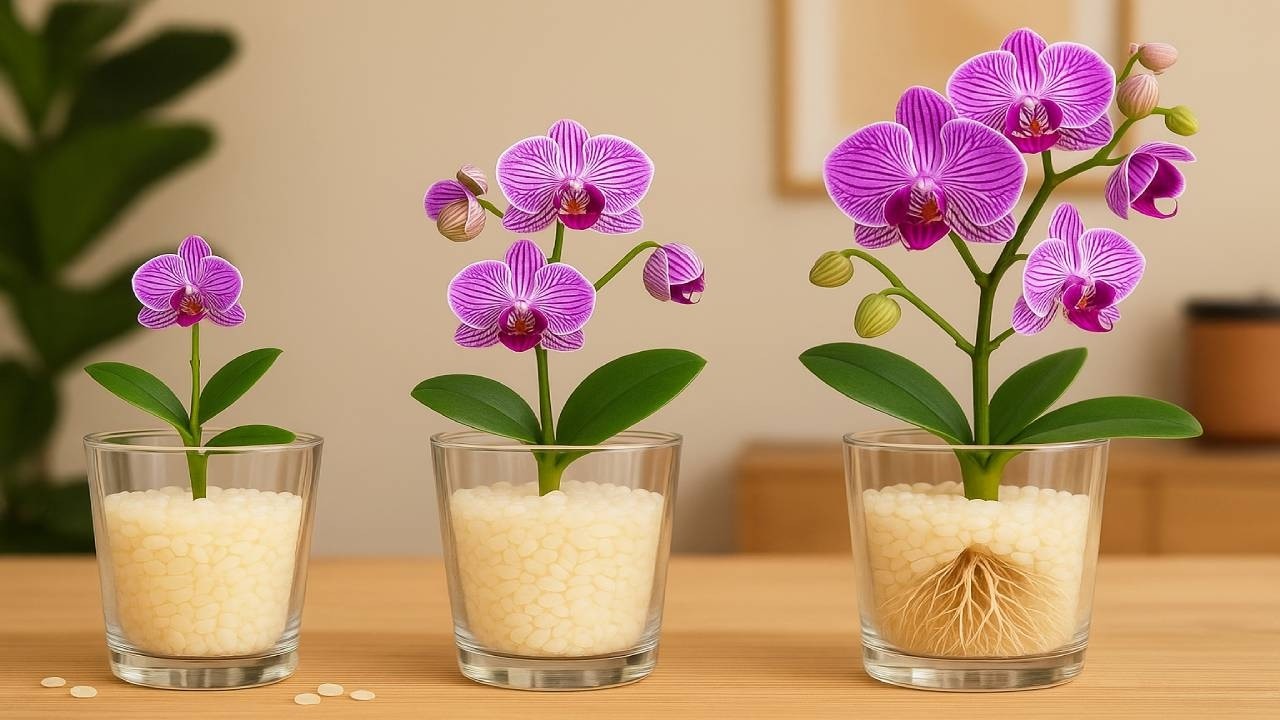
One Cup to Transform Orchids: 7 Tips for Blooming Like Never Before!
Transform Your Orchids: 7 Essential Tips for Stunning Blooms
- Introduction
- Essential Tips for Orchid Care
- Understanding Water Requirements
- Optimizing Light Conditions
- Effective Fertilizing Methods
- Common Mistakes to Avoid
- FAQ
Introduction
Orchids are one of nature’s most extraordinary flowers, admired for their elegance and beauty. However, keeping them healthy and blooming can sometimes feel like a challenge. If you’ve noticed your orchids are struggling to flourish, you’re not alone; many passionate gardeners face this issue. From inadequate light to improper watering, several factors can affect their growth. But don’t worry—by incorporating a few vital tips, you can enhance your orchid care routine and watch them thrive like never before. Keep reading to discover how you can transform your orchids effortlessly.
Essential Tips for Orchid Care
To help your orchids bloom beautifully, it’s important to understand their specific needs. Here are seven expert tips that can significantly improve your orchid care:
- Choose the right potting medium: Orchids thrive in a well-draining medium that allows air to reach their roots. Look for bark, sphagnum moss, or a commercial orchid mix.
- Monitor humidity levels: Orchids prefer a humidity level between 40% and 60%. You can use a humidity tray or mist your plants regularly to achieve this.
- Rotate your orchids: If your orchids are leaning toward light sources, gently rotate the pots regularly to ensure even growth.
- Remove spent blooms: Prune away old flower spikes to encourage new growth. Use sterilized scissors to avoid any infections.
- Inspect for pests: Regularly check your orchids for signs of pests like aphids or spider mites. If detected, treat them promptly with natural remedies.
- Provide proper airflow: Ensure that your orchids have good air circulation, which is essential for their health. Consider using fans or spacing them apart in your display.
- Allow the roots to breathe: When repotting, make sure not to pack the potting medium too tightly to allow airflow to the roots.
Understanding Water Requirements
Watering is crucial for healthy orchids, but it can also be tricky. Here’s how to manage their watering needs:
1. Determine the right frequency
Orchids generally need watering every 7 to 10 days. Let the top inch of the potting medium dry out before watering again.
2. Watering methods
It’s effective to water orchids in the morning using either:
- A gentle shower with lukewarm water.
- Soaking the pot in room-temperature water for about 10–15 minutes before draining excess water.
3. Signs of improper watering
Be attentive to your orchids’ signals: yellow leaves could indicate overwatering, while shriveled leaves may suggest underwatering. Adjust your watering schedule accordingly.
Optimizing Light Conditions
Light is another critical factor in orchid care. Here’s how you can ensure your orchids get the right amount:
1. Choose the right location
Orchids thrive best in bright, indirect sunlight. South or east-facing windows are ideal spots for them.
2. Use sheer curtains
If direct sunlight is too intense, place sheer curtains to diffuse the light while keeping it bright enough for growth.
3. Adjust seasonally
As seasons change, monitor light levels and adjust your orchids’ location as necessary to maintain their light needs.
Effective Fertilizing Methods
To encourage healthy blooms and growth, proper fertilization is vital. Here are some key strategies:
1. Use a balanced fertilizer
It’s best to use a balanced orchid fertilizer with an NPK ratio of 30-10-10 during the growing season. Follow the instructions on the label for the appropriate dosage.
2. Fertilization frequency
Fertilize your orchids once a month, reducing frequency during the dormancy period in the winter months.
3. Dilution technique
To prevent fertilizer burn, always dilute the fertilizer to half-strength before applying it to your orchids.
Common Mistakes to Avoid
Even seasoned gardeners can make mistakes when caring for orchids. Here are some common errors to watch out for:
- Overwatering is one of the most common mistakes; ensure to let the medium dry out between waterings.
- Ignoring pests can lead to significant damage; check your orchids regularly for any signs of infestation.
- Insufficient light can affect blooming; adjust the placement of your orchids if they aren’t receiving enough light.
- Wrong potting medium can suffocate roots; choose a medium that provides excellent drainage and airflow.
- Over-fertilizing can be harmful; always adhere to recommended fertilizer instructions.
FAQ
How often should I water my orchids?
Your orchids should typically be watered every 7 to 10 days, allowing the top inch of the potting medium to dry out in between waterings.
What type of light do orchids need?
Orchids thrive in bright, indirect sunlight. Placing them near south or east-facing windows is beneficial, but be cautious of direct rays.
Can I use regular houseplant fertilizer for orchids?
Using a balanced orchid-specific fertilizer is best to meet their unique nutritional needs. Regular houseplant fertilizers may not provide the right balance.
Conclusion
By following these essential tips for orchid care, you can significantly enhance your chances of achieving vibrant blooms. Your orchids will appreciate a little extra attention to their specific needs. What is your favorite orchid variety to grow at home?