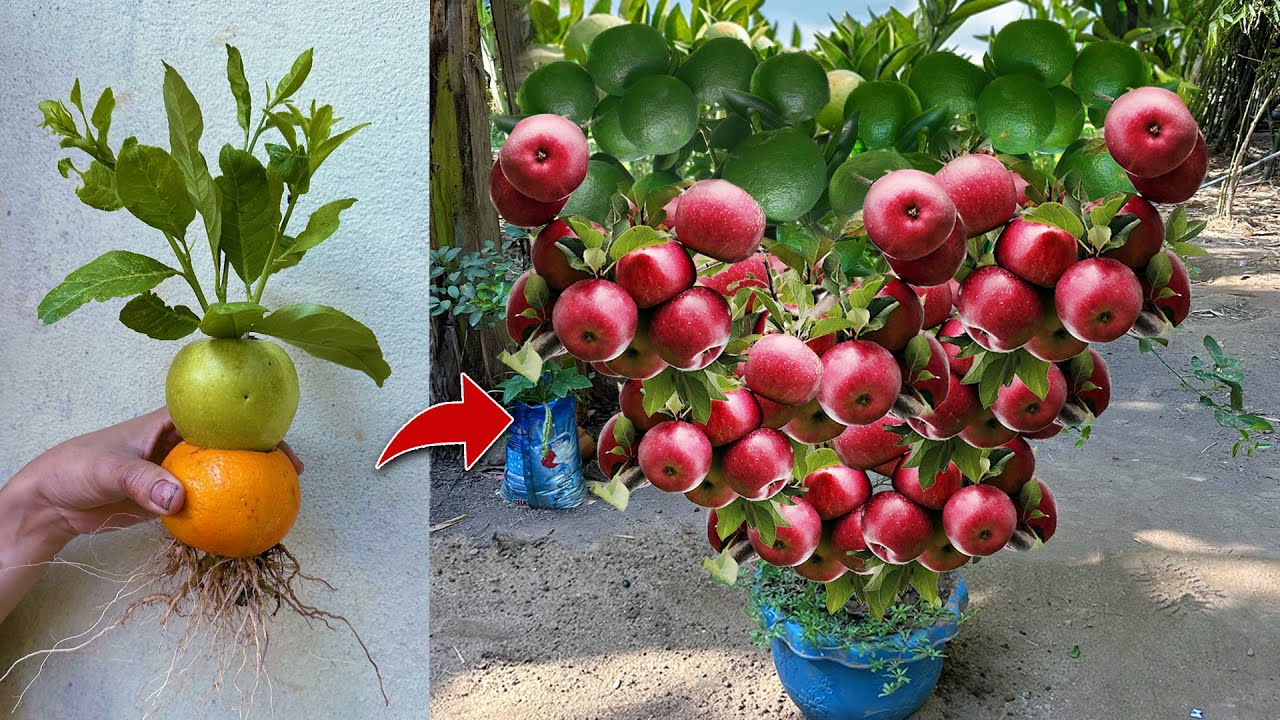
Graft 3 Unique Fruits: Orange, Apple, and Aloe Vera for Amazing Harvest!
Graft 3 Unique Fruits: Orange, Apple, and Aloe Vera for Amazing Harvest
- Introduction
- Choosing Your Rootstock
- Grafting Methods
- Aftercare for Your Grafted Plants
- Common Mistakes to Avoid
- FAQ
Introduction
Picture yourself tending to a vibrant garden filled with a symphony of fruits, each one offering its own unique flavor and benefits. Grafting can open the door to creating a small orchard in your backyard, mixing different fruits on the same tree for a diverse harvest. You might wonder how to combine these fruits effectively. The art of grafting can seem intimidating, yet it’s an exciting opportunity to expand your gardening skills. Continue reading to discover how to graft orange, apple, and aloe vera for a delightful bounty.
Choosing Your Rootstock
Before you begin grafting, it’s crucial to select the right rootstock, as it greatly influences the success of your grafted fruits. Here’s how to choose effectively:
- Identify Compatibility: Ensure that your chosen rootstock is compatible with the fruits you want to graft. For example, apples work well with each other, and oranges should be grafted onto citrus rootstocks.
- Research Varieties: Explore different varieties of rootstocks. For apples, consider M9 or M26 for dwarf trees, while for oranges, seek out Trifoliate orange as a hardy option.
- Assess Growth Conditions: Select a rootstock that can thrive in your local climate and soil conditions to promote healthy growth.
Understanding Rootstock Characteristics
The characteristics of rootstock affect growth rate, fruit yield, and overall tree health. Dwarf rootstocks are ideal for limited spaces, while standard ones may offer larger fruit production. Choose what aligns best with your gardening goals.
Grafting Methods
There are several techniques for grafting, each with its benefits and challenges. Here, we’ll focus on a few effective methods:
- Whip-and-Tongue Graft: This method is especially good for grafting branches of similar sizes. Make diagonal cuts on both the rootstock and the scion, interlocking them securely.
- Bud Grafting: Ideal for apples, this involves grafting a single bud onto the rootstock, making it a space-efficient choice.
- Side Graft: This technique is useful when the scion is larger than the rootstock. It allows for a larger area of contact for healing.
Preparing Your Scions
Select healthy scion wood, ideally taken in late winter or early spring. Cut 6 to 8 inches long pieces from the previous year’s growth, ensuring they have at least three buds to encourage strong growth after grafting.
Aftercare for Your Grafted Plants
The success of your grafted plants heavily relies on the aftercare you provide. Here are essential steps to follow:
- Watering: Keep the soil consistently moist, especially in the first few weeks after grafting. Avoid waterlogging, which can damage the roots.
- Protection: Shield the grafted area from extreme temperatures and direct sunlight. Use fabric or plastic wraps to create a microclimate.
- Pruning: After the graft seems successful, prune the rootstock to encourage growth in the new sections.
Feeding Your Plants
Feed your grafted fruits with a balanced fertilizer during the growing season. This nourishes the plants and supports fruit development. Using organic options can enhance soil health over time.
Common Mistakes to Avoid
Even experienced gardeners can slip up during grafting. Here are common pitfalls to be aware of:
- Not ensuring strong compatibility between rootstock and scion, leading to poor graft take.
- Neglecting to clean tools adequately, which can introduce diseases.
- Forgetting to protect the grafted area from pests and harsh weather conditions, affecting success rates.
- Over or under-watering after grafting, which stresses the newly merged plants.
- Failing to prune adequately, which can hinder growth and result in energy being directed to unwanted shoots.
FAQ
What is the best time to graft fruit trees? The ideal time to graft most fruit trees is during late winter to early spring when the sap is rising, ensuring successful healing.
Can I graft different fruits on the same tree? Yes, as long as they have compatible rootstocks, you can graft multiple types of fruits onto one tree.
How long does it take for a graft to heal? Healing typically takes several weeks to a few months, depending on the grafting method and the type of fruit trees involved.
Conclusion
Successfully grafting orange, apple, and aloe vera can bring a remarkable variety to your garden and enrich your harvest. By understanding the selection of rootstock, grafting methods, and proper aftercare, your gardening journey can flourish. Which fruits are you most excited to try grafting? Your thoughts and experiences could inspire other gardeners!