Revive 5 Dying Plants in Minutes with This Simple Trick Every Time!
Revive Your Dying Plants Quickly: A Simple Trick for Every Gardener
- Understanding Your Plant’s Needs
- Identifying Symptoms of Stress
- Quick Revival Trick for Your Plants
- Common Mistakes to Avoid
- Frequently Asked Questions
Your once vibrant plants may start to show signs of distress, drooping leaves, and faded colors. It’s disheartening to watch as they transition from thriving to near-death, leaving you wondering what went wrong. You might not realize that a simple trick can reinvigorate your greenery, making it flourish once again. Understanding your plants’ needs and addressing issues promptly can restore their vitality. Let’s explore effective solutions together.
Understanding Your Plant’s Needs
Each plant species has specific requirements that can significantly affect its health. Recognizing these needs is crucial for successful plant care.
1. Light Requirements
Most plants fall into categories based on their light needs, such as:
- Low light: Ideal for corners or shaded areas.
- Medium light: Thrives in bright, indirect sunlight.
- Bright light: Prefers direct sunlight for several hours daily.
2. Watering Preferences
Overwatering or underwatering can lead to plant stress. Here are general guidelines:
- Check the soil moisture level before watering.
- Consider the season; plants may require more water in summer.
- Use pots with proper drainage to avoid water retention.
3. Soil Quality
The right soil composition provides necessary nutrients. Look for:
- Well-draining soil for most houseplants.
- Specialized soil mixes for cacti or orchids.
Identifying Symptoms of Stress
Recognizing when your plants are struggling is the first step toward helping them recover. Here are common symptoms you should watch for:
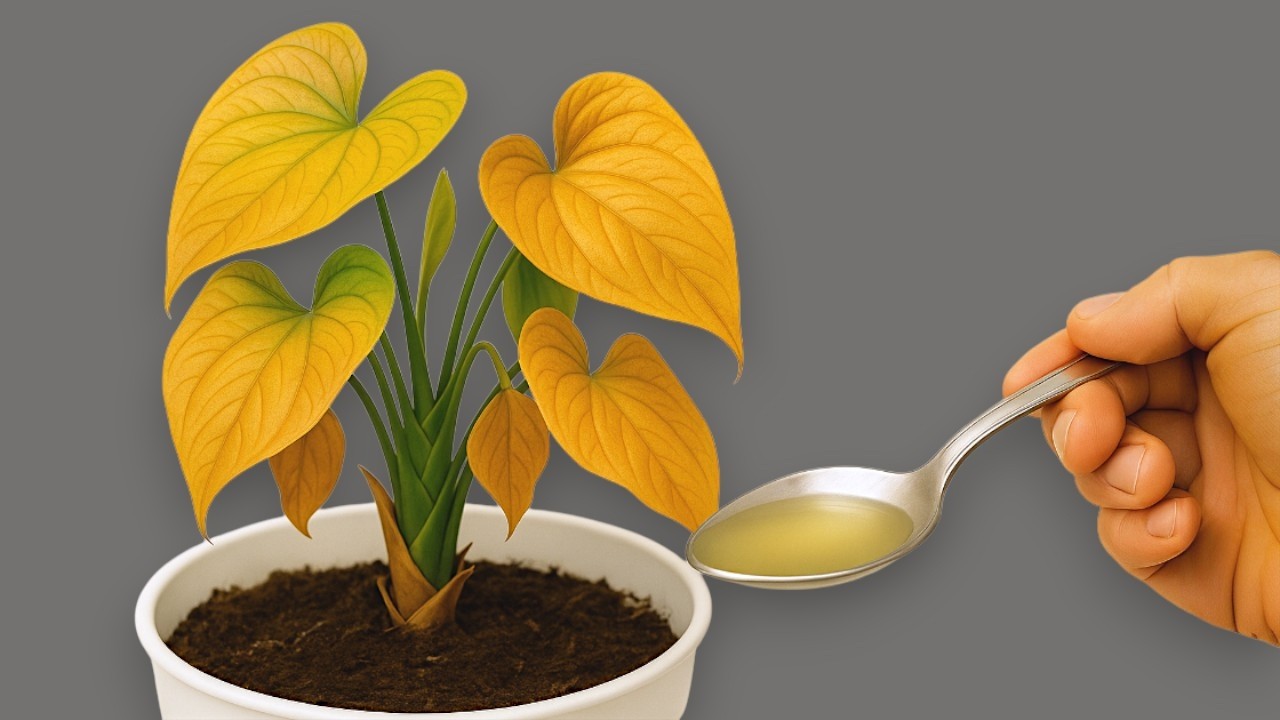
1. Yellowing Leaves
This could indicate overwatering, nutrient deficiencies, or inadequate light. Assess your plant’s environment and care routine.
2. Wilting
Wilting often signals underwatering, but it can also be a result of root rot. Examine your plant’s roots if you suspect rot.
3. Stunted Growth
If your plant is not growing, it may need more nutrients or sunlight. Consider repotting or adjusting its location.
Quick Revival Trick for Your Plants
Now that you know the basics, let’s delve into a simple trick that can help revive your dying plants in no time.
1. Assess the Damage
Before taking action, evaluate your plant’s condition. Look for:
- Soft or mushy stems
- Presence of pests
- Soil compaction
2. Fresh Water Soak
Once you’ve assessed the damage:
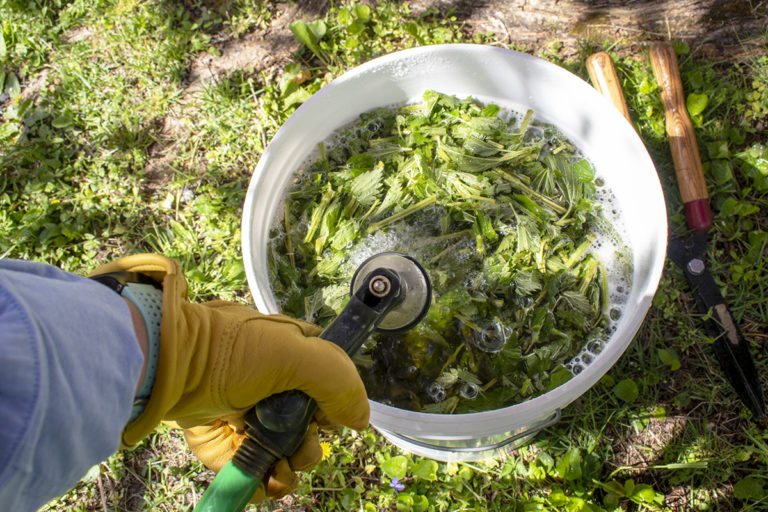
- Prepare a bucket with room-temperature water.
- Remove the plant from its pot gently to inspect roots.
- Soak the roots in water for 10-15 minutes to rehydrate.
3. Repot with Fresh Soil
If the soil appears compacted or depleted:
- Select a larger pot with drainage holes.
- Add fresh, well-draining soil to the pot.
- Plant your revived specimen back into the new soil.
Common Mistakes to Avoid
Even the most dedicated gardeners can make mistakes. Here are some pitfalls to watch out for:
1. Overwatering
Many plants prefer to dry out between watering sessions. Avoid frequent, shallow watering.
2. Ignoring Pest Infestations
Small signs like webbing or small holes can indicate pests. Take action promptly to prevent further damage.
3. Not Adjusting Seasonal Care
As seasons change, so should your care routine. For example, reduce watering in winter when growth slows.
Frequently Asked Questions
How can I tell if my plant is overwatered?
Look for yellowing leaves, soft stems, or mold on the soil’s surface. These signs indicate excessive moisture.
Is there a specific time to water my plants?
Watering in the early morning or late afternoon is generally best, as this helps prevent evaporation and allows for adequate absorption.
Can I revive a completely wilted plant?
In many cases, a wilted plant can be revived with the right care, including proper watering and addressing any underlying issues.
By understanding your plant’s needs and recognizing signs of stress, you can bring even the most struggling plants back to life. Which plant is currently giving you trouble? Share your experiences in the comments below.