How to Make Stinging Nettle Fertilizer Tea for a Thriving Garden
How to Make Stinging Nettle Fertilizer Tea for a Thriving Garden
Stinging nettle might bring to mind painful encounters and stubborn weeds for many, but for organic gardeners, it’s a treasure trove of nutrition for plants. This powerful ‘weed’ not only improves vegetable growth but also enhances pest resistance and plant health. Let’s dive into how to harness stinging nettle for a homemade fertilizer tea.
The Benefits of Stinging Nettle Fertilizer
Stinging nettle (Urtica dioica) is abundant and nutrient-dense, making it an amazing addition to your fertilizer routine. High in nitrogen, it’s particularly beneficial for young plants and leafy greens. Using this natural fertilizer can encourage growth and vitality in your garden.
Which Plants Benefit Most?
- Seedlings
- Young transplants
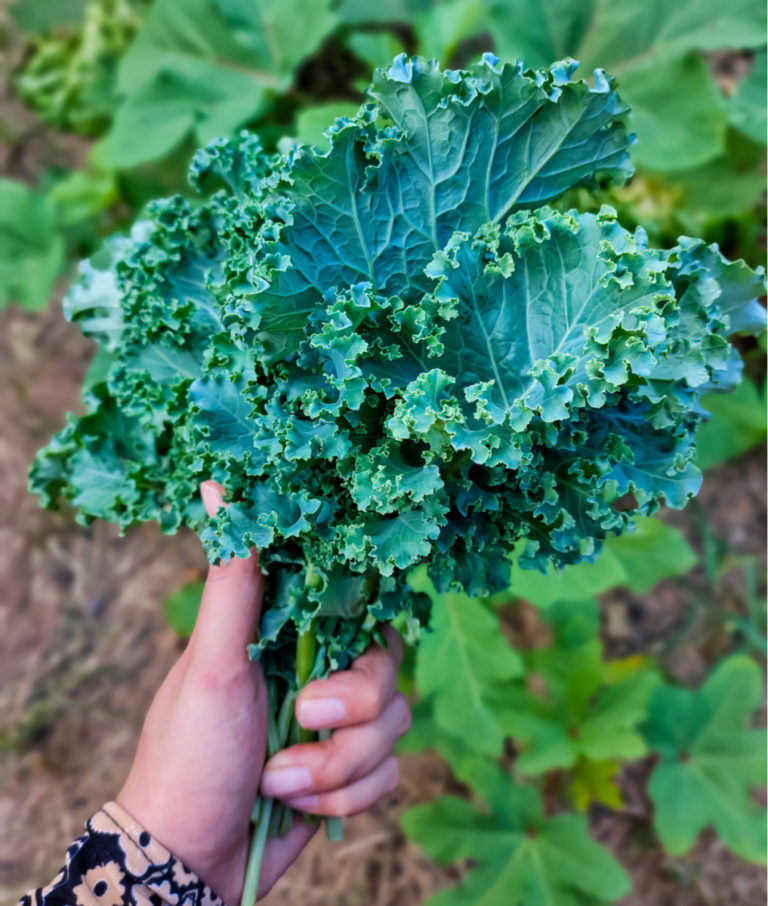
- Brassicas (cabbages, Brussels sprouts, bok choy)
- Leafy greens (lettuce, arugula)
However, it’s best to switch to a potash-rich fertilizer for flowering plants once they start to bloom to promote fruiting over foliage.
Harvesting Stinging Nettle Safely
What to Wear
To avoid the stinging sensation of this prickly plant, dress appropriately. Wear gloves and long sleeves, and opt for long pants. Leather pruning gloves are ideal for full protection, but most sturdy gardening gloves will suffice.
Tools Needed
Use scissors or small pruners to harvest the nettles. Collect enough to fill a five-gallon bucket and remember to take extra leaves for delicious recipes!
Treating Stings
If you do get stung, don’t worry! Burdock or jewelweed leaves can ease the irritation. Crush the leaves and apply the sap to the affected area. Afterward, rinse the area with cool water and apply ice to reduce inflammation.
Making Your Nettle Fertilizer Tea
Gather Your Materials
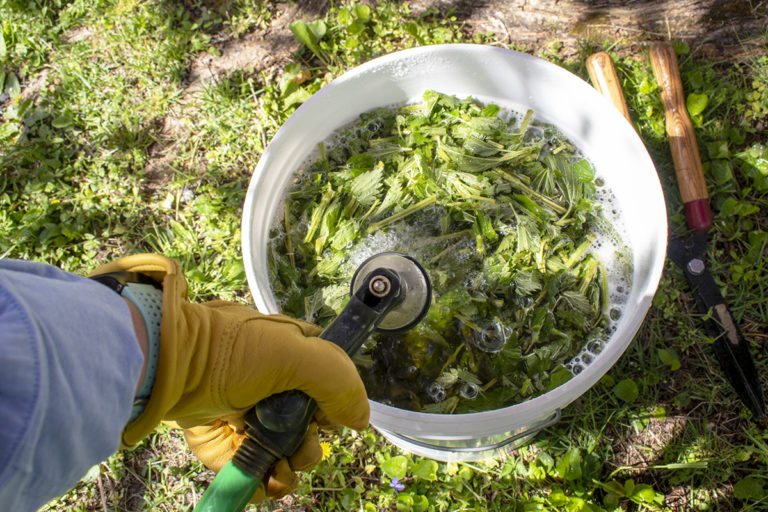
Fill a five-gallon bucket halfway with chopped stinging nettles. Use collected rainwater to promote natural fermentation; if using tap water, allow it to sit uncovered for 24-48 hours to let chlorine dissipate.
Fermentation Process
Cover the bucket loosely and stir the mixture every few days. After 10 to 14 days, the bubbling will stop, indicating fermentation is complete. The strong odor means your fertilizer is ready!
Straining the Fertilizer
Use a fine mesh strainer or cheesecloth to filter out solid components. Don’t discard the leftover solids; add them to your compost pile for extra nutrients.
Using Nettle Fertilizer Tea
Liquid Application
This concentrated fertilizer must be diluted before use:
- For root application: Mix 1 part nettle tea to 10 parts water.
- For foliar spray: Mix 1 part nettle tea to 20 parts water.
Apply every three to four weeks for optimal plant health, but avoid flowering plants when they begin to bloom.
Conclusion
Creating your own stinging nettle fertilizer tea is an eco-friendly, cost-effective way to boost your garden’s health. With stinging nettle’s immense nutrient profile, it’s easy to see why this ‘weed’ is a gardener’s ally. By implementing these simple steps, you can turn a pesky plant into the perfect natural fertilizer for a thriving garden.