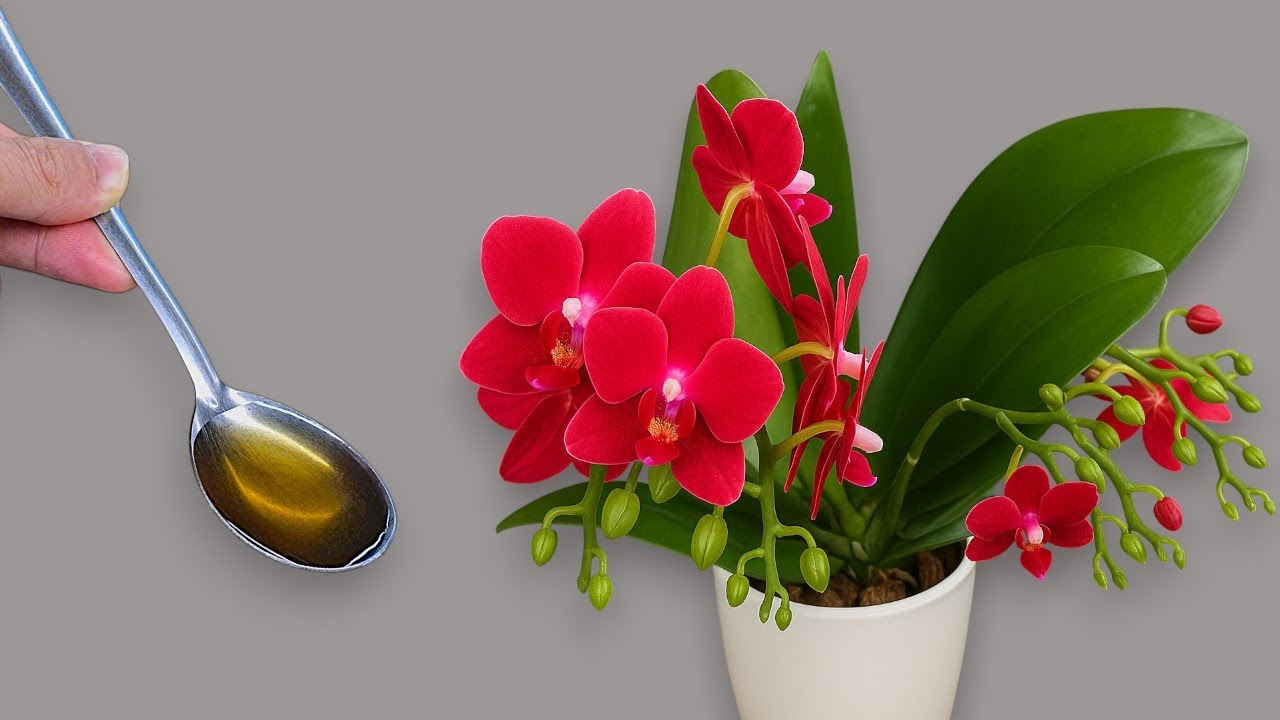
Unlock 1 Simple Trick for Year-Round Orchid Blooms You’ll Love!
Year-Round Orchid Blooms: Your Guide to Continuous Flowering
- Understanding Orchid Needs
- Optimal Conditions for Orchids
- Common Mistakes to Avoid
- Frequently Asked Questions
Picture this: you walk into your home and are greeted by the vibrant colors of your blooming orchids, their delicate petals captivating your attention. However, there may be times when you notice your orchids lacking blossom, leaving you wondering what went wrong. The good news is that with the right care and understanding, you can enjoy beautiful blooms all year long. This guide is designed to help you unlock the secrets to achieving continuous flowering in your orchids.
Understanding Orchid Needs
To maintain year-round orchid blooms, it’s essential to understand the specific needs of these stunning plants. Different species may require varied care, but some fundamental principles apply across the board.
Watering Techniques
Watering is vital for your orchids’ health. Here are some tips:
- Assess moisture levels: Stick your finger into the potting medium; if it feels dry about an inch down, it’s time to water.
- Water thoroughly: Allow water to flow through the drainage holes, ensuring the roots are well-hydrated.
- Frequency adjustments: Depending on humidity and temperature, watering once a week is generally sufficient.
Temperature and Humidity
Your orchids thrive in specific temperature ranges and humidity levels:
- Maintain daytime temperatures between 70°F and 80°F (21°C to 27°C).
- Night temperatures should drop to around 60°F (15°C).
- Ensure humidity levels are between 40% and 70%; use a humidity tray if necessary.
Optimal Conditions for Orchids
Creating the right environment is crucial for keeping your orchids in bloom. Here are the conditions you need to optimize:
Light Requirements
Orchids love light but too much direct sunlight can be harmful. Consider the following:
- Provide bright, indirect light; east-facing windows are usually ideal.
- Rotate your orchids periodically to ensure even light exposure.
- If leaves darken or become yellow, you may need to adjust light levels.
Fertilization Practices
Proper fertilization will encourage continuous blooming:
- Use orchid-specific fertilizers: They provide the right nutrients for your plants.
- Feed every 2-4 weeks: During the growing season, use diluted fertilizer to promote growth.
- Reduce feeding in fall and winter: This allows your orchids to rest and prepare for blooming.
Common Mistakes to Avoid
Even seasoned gardeners can make mistakes that can halt the growth of year-round orchid blooms. Here are some common pitfalls:
Overwatering
One of the most common mistakes is overwatering your orchids. Signs include:
- Soft, mushy roots that appear brown or black.
- Leaves that yellow and drop.
Neglecting Humidity
Lack of humidity can lead to poor growth:
- Dry air may cause blossoms to drop before reaching full maturity.
- Use a humidity gauge to monitor levels and take steps to add moisture when necessary.
Ignoring Pests
Pests can disrupt your orchids’ health significantly:
- Check for common pests like aphids and spider mites regularly.
- Use natural insecticidal soap if needed to manage infestations.
Frequently Asked Questions
How often should I repot my orchids?
Orchids typically need repotting every 1-2 years or when you notice it starting to outgrow its pot.
Can I use regular potting soil for orchids?
No, regular potting soil retains too much moisture. Use a special orchid mix that promotes air circulation.
Why are my orchid leaves turning yellow?
Yellowing leaves can indicate overwatering or insufficient light, so assess your care routine to determine the cause.
Conclusion
By understanding your orchids’ needs and creating optimal conditions, you can enjoy stunning blooms throughout the year. What tips do you have for ensuring your orchids thrive? Share your experiences in the comments below!