Create 5 Easy Hydroponic Wall Systems at Home for Fresh Vegetables!
Create 5 Easy Hydroponic Wall Systems at Home for Fresh Vegetables!
- Introduction
- Hydroponic System Options
- Building Your Hydroponic Wall System
- Common Mistakes to Avoid
- FAQ
- Conclusion
Introduction
Picture this: you’re eager to grow fresh vegetables at home but are limited on space. Perhaps your garden is tiny, or you live in an apartment. Hydroponic wall systems present a fantastic solution, allowing you to cultivate a variety of vegetables vertically. Not only do these systems save space, but they also add a lush, green aesthetic to your living area. Before you dive into creating your own hydroponic system, let’s explore the various options available and how you can get started.
Hydroponic System Options
Choosing the right hydroponic system for your wall can be daunting. Here are five easy options to consider:
- Vertical Tower System: This design uses stacked containers to maximize space. Each tier can hold different types of vegetables.
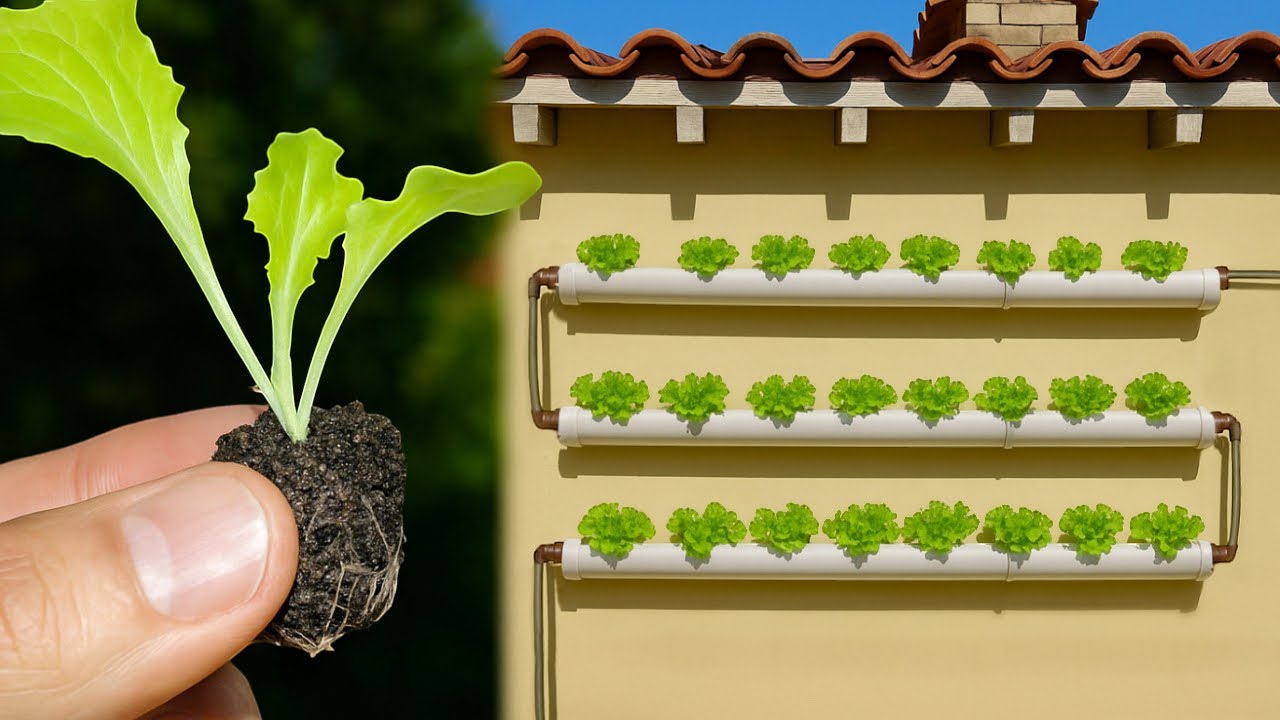
- Gutter System: You can utilize PVC gutters attached to your wall, perfect for growing lettuces and herbs.
- Fabric Pocket Planters: Using felt pockets allows you to grow plants directly in an organic medium, which is ideal for herbs.
- Wall-mounted Planters: These planters can be grid-based or individually installed, giving versatility to your growing options.
- Wine Rack Planter: Reuse an old wine rack for this vertical system, giving a rustic charm while holding small pots of herbs or greens.
Choosing Your Plants
Consider what you like to eat when selecting plants for your hydroponic wall systems. Leafy greens, such as spinach and kale, are excellent choices because they grow quickly and don’t require extensive care.
Essential Growing Conditions
Keep in mind that each plant type has its specific requirements. Make sure you are aware of the ideal light, temperature, and water needs for a flourishing garden.
Building Your Hydroponic Wall System
Once you’ve chosen a system, it’s time to start building. Here’s a step-by-step guide:
- Gather Your Materials: You’ll need containers or planters, a water reservoir, a pump, and tubing. Don’t forget the growing medium and nutrient solutions!
- Set Up Your Location: Choose a wall that receives adequate natural light or plan to use grow lights to supplement.
- Install the System: Secure your planters or gutters to the wall using brackets or nails, ensuring they’re stable.
- Connect the Pump: Place your water reservoir at the bottom and connect it to the system using your pump and tubing.
- Add Your Growing Medium: Fill each planter with the appropriate growing medium before adding your seeds or seedlings.
Monitor Your System
Regularly check the water levels and nutrient concentrations to ensure your plants are thriving. A well-maintained system can yield fresh vegetables with minimal hassle.
Examples of Herb Choices
Popular choices for hydroponic wall systems include basil, cilantro, and mint. These herbs thrive in a hydroponic environment and can be used fresh in your kitchen.
Common Mistakes to Avoid
Creating a hydroponic wall system can come with its challenges. Here are some common pitfalls to avoid:
- Neglecting pH Levels: Failing to monitor the pH of your nutrient solution can lead to nutrient deficiencies or toxicities.
- Overwatering: Make sure to provide adequate drainage; too much water can harm your plants.
- Inadequate Lighting: Ensure your plants receive enough light, especially if you’re relying on artificial setups.
- Ignoring Pests: Keep an eye out for pests as they can thrive in indoor environments and harm your plants.
- Skipping Nutrient Solutions: Always provide appropriate nutrients for your plants to thrive, as soil-free growing requires a balanced approach.
FAQ
What plants are best for hydroponic wall systems?
Leafy greens, herbs, and small fruiting plants like cherry tomatoes are excellent choices as they thrive in vertical systems.
How often should I change the water in my hydroponic system?
It’s a good practice to change the water every two weeks to maintain nutrient levels and prevent stagnation.
Can I use ordinary garden soil in my hydroponic system?
No, traditional soil is not recommended for hydroponics. Instead, opt for a soilless growing medium like coconut coir or perlite.
Conclusion
Creating your own hydroponic wall systems at home can transform your gardening experience, making it fun and efficient. With the right planning and care, you’ll enjoy the fruits of your labor in no time. What types of vegetables are you excited to grow in your hydroponic garden?