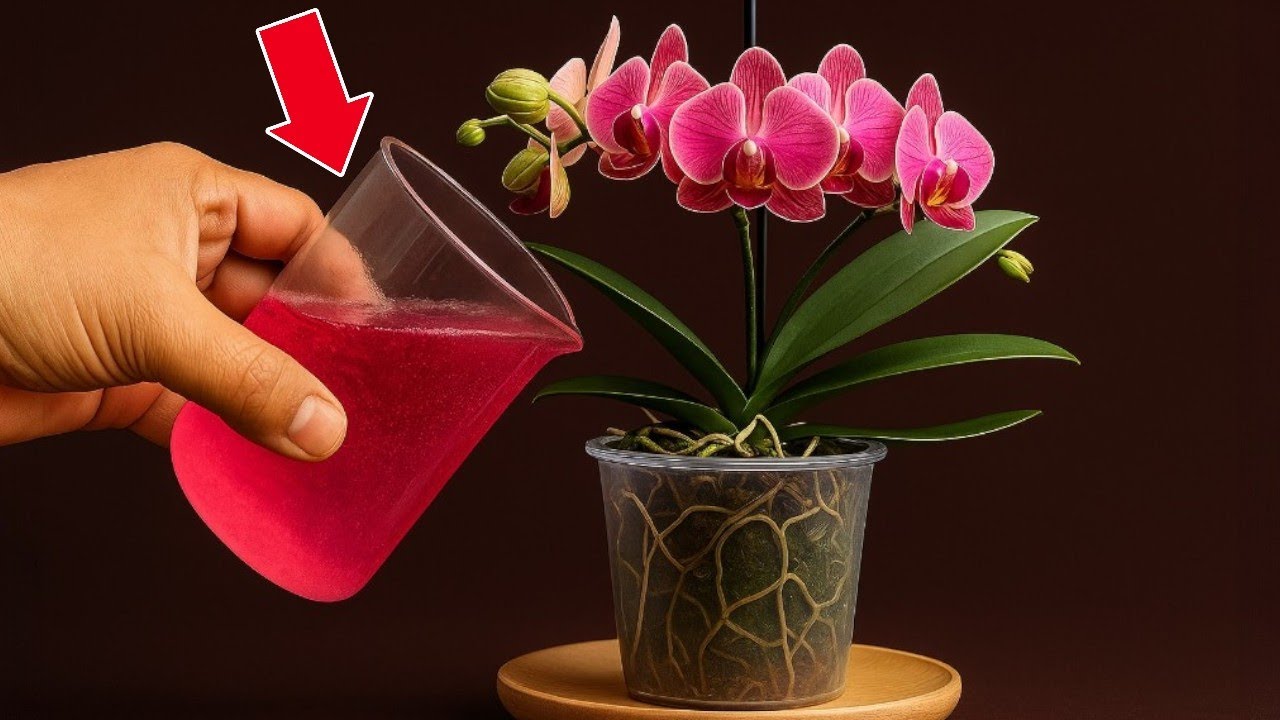
Unlock Year-Round Blooms: 1 Simple Trick for Thriving Orchids!
Unlock Year-Round Blooms: A Simple Trick for Thriving Orchids
- Understanding Orchid Needs
- Optimal Lighting for Orchids
- Watering Technique for Healthy Orchids
- Common Mistakes in Orchid Care
- FAQ
Have you ever brought home a beautiful orchid, only to watch it wither instead of bloom? Many orchid enthusiasts find themselves perplexed by the care these stunning plants require. Understanding their specific needs is crucial for maintaining vibrant blooms throughout the year. Let’s explore how you can ensure your orchids thrive without revealing all the secrets just yet.
Understanding Orchid Needs
To create a flourishing environment for your orchids, it’s essential to understand their unique requirements. Orchids aren’t just beautiful; they have specific needs that, if met, can lead to impressive blooms all year long.
1. Temperature Preferences
Orchids typically thrive in a temperature range of 65-75°F (18-24°C) during the day and cooler temperatures at night. Sudden temperature changes can stress the plant, impacting blooming. During the winter months, ensure they are not exposed to drafts or extreme cold.
2. Humidity Levels
Most orchids flourish in environments with humidity levels between 40-70%. If your home is dry, consider using a humidity tray or a room humidifier to create a more pet-friendly atmosphere. You can also mist your orchids, but be cautious not to soak the leaves.
3. Potting Medium
Using the right potting medium is integral to orchid health. A bark-based mix is excellent for promoting drainage and airflow to the roots. Regular potting soil can hold too much moisture, negatively impacting your orchids’ growth.
Optimal Lighting for Orchids
Light is another crucial factor in growing orchids successfully. Each orchid variety has different light requirements, but most thrive in bright, indirect sunlight. Understanding the optimal lighting will help your orchids blossom beautifully.
1. Placement in the Home
The best location for your orchid is near east-facing windows where they can enjoy gentle morning light. If you notice the leaves turning yellow, they might be getting too much light.
2. Supplemental Lighting
During the shorter winter days, consider using grow lights to supplement natural light. LED grow lights can provide the right wavelength for healthy growth without overheating your plants.
3. Regular Rotation
To prevent uneven growth, regularly rotate your orchid pots. This will ensure all sides receive equal exposure to light, promoting balanced growth.
Watering Technique for Healthy Orchids
Inappropriate watering is a common mistake among orchid caregivers. Establishing an effective watering routine is crucial for the health of your plants.
1. Watering Frequency
Most orchids prefer being on the dry side. Allow the potting medium to dry out completely between waterings. This could mean watering every 7-10 days depending on your indoor climate.
2. Watering Method
When watering, it’s best to soak your orchid in a bowl of room-temperature water for about 30 minutes, allowing the roots to absorb moisture effectively.
3. Signs of Overwatering
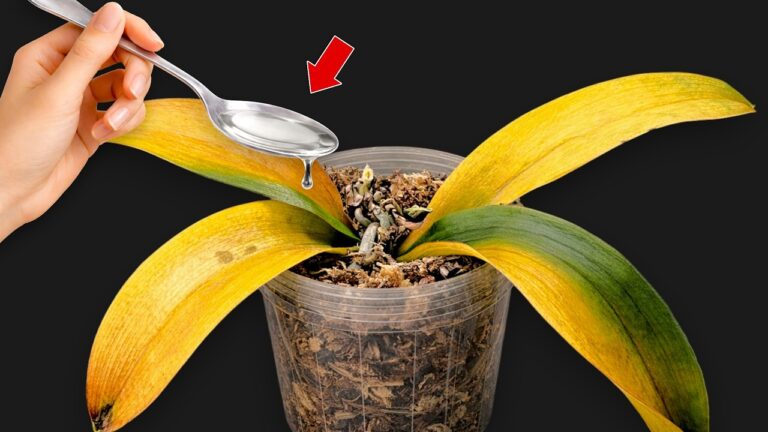
Keep an eye out for signs of overwatering, like yellowing leaves or a mushy root system. If you notice these symptoms, cut back on your watering frequency and examine your potting medium.
Common Mistakes in Orchid Care
Even the most passionate orchid lovers can make mistakes. Here are a few common pitfalls to avoid that may hinder your plant’s flourishing potential.
1. Using the Wrong Potting Mix
Many people use garden soil for potting orchids, which holds too much water. Always use a mix specifically designed for orchids.
2. Ignoring Pest Issues
Watch for signs of pests like aphids or mealybugs. Early detection is key to preventing bigger infestations.
3. Over-fertilizing
Applying too much fertilizer can harm your orchids. It’s recommended to fertilize your orchids only during the growing season and to dilute to half-strength when feeding.
FAQ
How often should I water my orchid? Most orchids need watering every 7-10 days, depending on humidity levels and indoor climate.
What light conditions do orchids prefer? Orchids generally prefer bright, indirect sunlight, and you should avoid direct sunlight to prevent leaf burn.
Why are the leaves of my orchid turning yellow? Yellowing leaves can indicate overwatering, inadequate light, or a nutrient deficiency. Evaluate your care routine to identify the issue.
In summary, caring for orchids involves understanding their unique requirements in terms of temperature, light, and watering. By avoiding common mistakes, you can create an environment that promotes vibrant blooms year-round. What challenges have you faced in orchid care, and how did you handle them?