Revive Your Orchids: 5 Secrets for Year-Round Blooms!
Revive Your Orchids: 5 Secrets for Year-Round Blooms
- Introduction
- Understanding Orchid Needs
- Optimal Lighting for Orchids
- Watering and Humidity Tips
- Fertilizing Your Orchids
- Common Mistakes
- FAQ
- Conclusion
Introduction
Picture this: you’ve nurtured your orchids for months, only to find them lacking the vibrant blooms you had hoped for. Like many plant enthusiasts, you may feel disheartened when your orchids refuse to flower. Understanding the common stumbling blocks can help you turn things around and enjoy beautiful blooms all year long. Discover the secrets behind keeping your orchids healthy and thriving so you can create the lush indoor garden you desire.
Understanding Orchid Needs
To successfully revive your orchids, it’s essential to comprehend their unique needs. Here are a few key aspects to consider:
1. Types of Orchids
Different orchid species have varying requirements. Research the specific type you own, as some thrive in different conditions than others. Popular varieties include:
- Phalaenopsis – Prefers low light and is easy to care for.
- Cattleya – Needs ample light and humidity to bloom.
- Dendrobium – Requires high light levels and a temperature drop at night.
2. Root Health
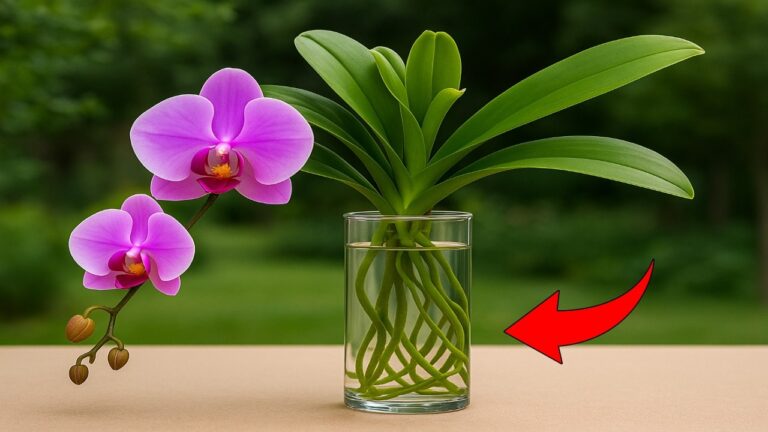
Healthy roots are critical for your orchids. Check the roots for signs of rot or damage. Healthy roots should be firm and green. If they appear brown and mushy, take corrective measures.
3. Environmental Factors
Orchids are native to tropical climates. They thrive in temperatures of 65°F–75°F during the day and a slightly cooler range at night. Ensure your home mirrors these natural conditions.
Optimal Lighting for Orchids
Lighting plays a vital role in stimulating blooms. Understanding your orchids’ light exposure will help maximize their growth.
1. Natural Light
Place your orchids near bright, indirect sunlight. East-facing windows offer gentle morning light, while south-facing windows provide more intense light, which may require filtering with sheer curtains.
2. Artificial Lighting
If natural light is insufficient, consider using grow lights. LED lights can be particularly beneficial, mimicking the full spectrum of sunlight without producing excessive heat.
3. Signs of Improper Lighting
Observe your orchids: if they are stretching towards the light, they may need more. Conversely, yellow leaves can indicate too much direct sunlight.
Watering and Humidity Tips
Proper watering and humidity levels are crucial for orchid health.
1. How to Water Your Orchids
- Check the Mix – Ensure the potting mix is dry before watering.
- Poke a Finger – Insert your finger about an inch deep to feel for moisture.
- Use Room Temperature Water – Water thoroughly, allowing excess to drain out.
2. Humidity Requirements
Orchids flourish in humid environments. Aim for a humidity level between 40%-60%. You can improve humidity by:
- Using a humidity tray filled with water and pebbles.
- Misting your orchids lightly, but avoid overwatering.
3. Signs of Underwatering or Overwatering
Your orchids will tell you when something is off. Yellowing leaves might suggest you’re watering too much, while shriveling leaves indicate underwatering.
Fertilizing Your Orchids
Regular fertilization plays a significant role in encouraging blooms.
1. Choosing the Right Fertilizer
Opt for a balanced, water-soluble fertilizer, preferably with a ratio like 20-20-20 or one specifically designed for orchids.
2. When to Fertilize
Fertilize during the growing season, typically spring through summer, and reduce frequency in fall and winter. A common method is to fertilize every 2-4 weeks during this time.
3. Application Method
Dissolve the fertilizer in water, then water your orchids as usual. Avoid direct application of concentrated fertilizers to the roots, as it can cause damage.
Common Mistakes
Even seasoned gardeners make mistakes that can hinder orchid blooms.
1. Overwatering
This is one of the most prevalent mistakes. Allow the potting medium to dry out between waterings.
2. Ignoring Temperature Fluctuations
Too many temperature variations can stress your orchids and inhibit blooming. Maintain a consistent environment.
3. Using the Wrong Potting Medium
Regular potting soil can suffocate orchids. Use a specialized orchid mix that promotes drainage.
4. Neglecting Pest Control
Be proactive about checking for pests, as they can damage your orchids. Regular inspection can prevent infestations.
5. Improper Fertilization
Fertilizing too much or too little can disrupt growth. Stick to a balanced routine to avoid problems.
FAQ
Why aren’t my orchids blooming?
Several factors, including inadequate light, improper watering, or nutrient deficiencies, can impact blooming. Evaluate your care routine and environmental conditions.
How often should I water my orchids?
Typically, watering every 1-2 weeks is ideal, but always check your potting medium for moisture levels before watering.
When is the best time to repot orchids?
Repotting is usually best done in the spring when new growth begins. This ensures that your orchids have the healthiest environment for their next growth spurts.
Conclusion
Reviving your orchids and ensuring they bloom year-round requires understanding their care needs, including light, water, and nutrients. By avoiding common mistakes and following these tips, you can enjoy vibrant flowers regardless of the season. What strategies have you found successful for your orchids? Share your experiences in the comments below!