Fix Any Hole in 2 Minutes: 7 Genius Sewing Hacks You Need to Try!
Quick Sewing Hacks to Repair Any Hole in Your Clothes
- Introduction
- Effective Sewing Hacks
- Essential Tools and Materials
- Common Mistakes to Avoid
- Frequently Asked Questions
Introduction
It’s a familiar annoyance: you’re getting ready for the day when you notice a small hole in your favorite shirt or a tear in your jeans. With busy schedules, repairing such damages often gets pushed aside, leading to a wardrobe full of neglected items. You may think that fixing these issues requires a lot of time and effort, but it doesn’t have to be that way. Discover how a few simple hacks can make mending your clothes quick and easy.
Effective Sewing Hacks
Quick repairs are about working smarter, not harder. Below are some practical sewing hacks that allow you to fix holes in your clothing efficiently.
1. The Quick Stitch Method
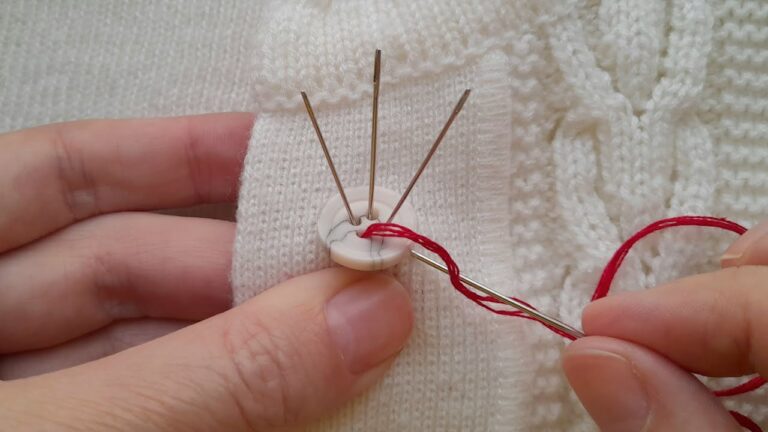
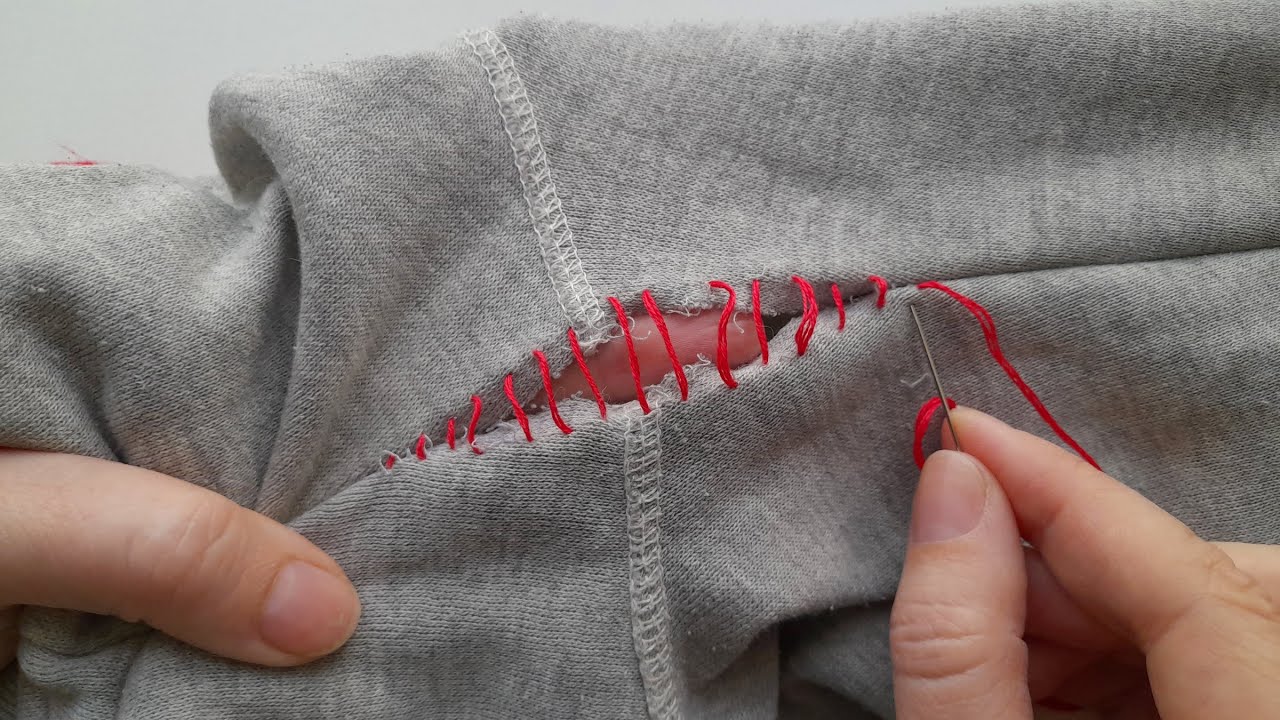
- Thread a needle with matching thread, but don’t cut off a long piece—about 12 inches is fine.
- Start on one side of the hole, pushing the needle through the fabric.
- Continue to stitch small, even stitches around the hole to close it up.
This method is especially effective for small holes in lightweight fabrics, ensuring a smooth finish without much fuss.
2. Fabric Glue for a Quick Fix
Sometimes, sewing isn’t necessary. Fabric glue can work wonders for minor tears.
- Identify the area around the tear and ensure it’s clean and dry.
- Apply a thin line of fabric glue on both sides of the tear.
- Press the sides together and hold for a few seconds until the glue sets.
This works well for denim and thicker fabrics, providing a fast alternative that saves you from reaching for the needle.
3. Patching with Style
Patching not only fixes holes but adds a decorative touch. Here’s how to do it effectively:
- Select a fabric patch that complements your clothing.
- Cut the patch slightly larger than the hole.
- Sew the edges of the patch using a straight or zigzag stitch to secure it in place.
This method can bring new life to worn-out areas, especially on jeans or jackets.
Essential Tools and Materials
Having the right tools makes repairs much easier. Here’s a list of essential materials to keep on hand:
- Needle and thread: A basic sewing kit is a must.
- Fabric glue: Look for a brand that specifically mentions fabric.
- Patches: These can be purchased or made from leftover fabric.
- Scissors: Sharp scissors help create clean edges.
- Measuring tape: Useful for ensuring the right patch size.
Keeping these items organized in a small box ensures you’re always prepared for unexpected repairs.
Common Mistakes to Avoid
Even with great hacks, mistakes can derail your repair efforts. Here are a few pitfalls to watch out for:
- Using thin thread on thick fabric: It can lead to broken stitches.
- Not securing the thread: Make sure to knot it at the end to prevent unraveling.
- Skipping the press: Ironing the area before applying patches helps them adhere better.
Frequently Asked Questions
What’s the best way to fix a hole in stretchy fabric? Using a piece of fusible interfacing behind the hole before sewing can help reinforce the area.
Can I use regular glue to fix fabric? It’s best to use fabric glue, as regular glue may not withstand washing and wear.
How can I reinforce a patched area? Consider using a zigzag stitch around the edges of the patch to secure it further.
Conclusion
With these sewing hacks and essential materials, you can efficiently repair holes in your clothing and save your favorite pieces from the bin. What are your go-to tips for mending clothes? Share your thoughts in the comments!