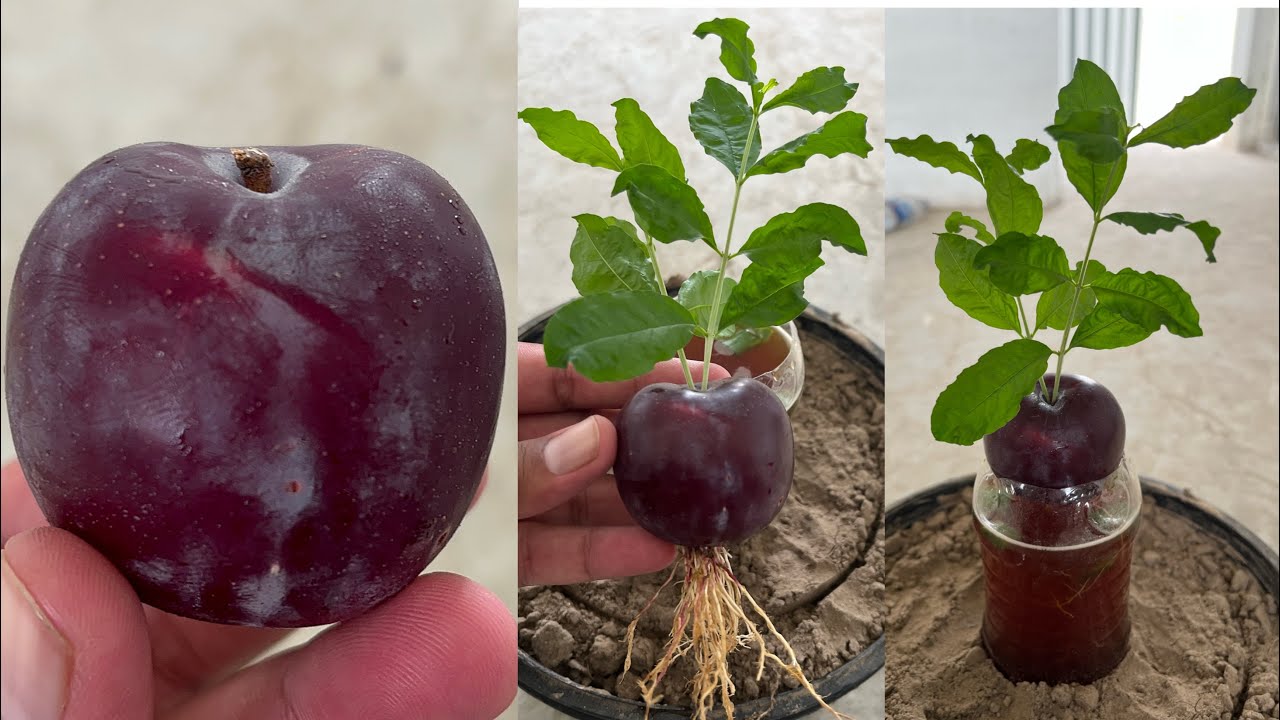
Grow 7 Delicious Plum Trees Using This Unique 100% Working Method!
Grow 7 Delicious Plum Trees with This Proven Method
- Introduction
- Understanding Plum Trees
- Required Materials
- Step-by-Step Planting Guide
- Common Mistakes to Avoid
- FAQ
- Conclusion
Introduction
Imagine stepping into your backyard during the late summer, where the sweet scent of ripe plums fills the air and the trees are bursting with juicy fruit. Growing your own plum trees can be a rewarding experience that not only enhances your garden but also provides delicious fruit for your family. Yet, with so many gardening methods available, choosing the right one can be overwhelming. In this guide, you’ll discover practical steps to cultivate seven plum trees successfully, ensuring your home is filled with fresh, homegrown produce.
Understanding Plum Trees
Before you start planting, it’s essential to familiarize yourself with the different varieties of plum trees. Here’s a brief overview:
- European Plums: These are often sweeter and great for fresh eating or preserves.
- Japanese Plums: Generally juicy and tart, they thrive in warmer climates.
Selecting the right variety will depend on your climate and how you plan to use the plums. Keep in mind how much space you have, as different varieties can grow quite large.
Required Materials
Gathering the right materials is key to successfully growing your plum trees. Here’s what you’ll need:
- Choosen plum tree saplings (seven of your desired variety)
- High-quality compost or well-rotted manure
- Mulch (wood chips or straw)
- Tools: shovel, trowel, watering can, and pruners
- Fertilizer suitable for fruit trees
Step-by-Step Planting Guide
Follow these steps to ensure your plum trees thrive:
- Choose the Right Location: Select a sunny spot with well-draining soil. Avoid areas prone to waterlogging.
- Prepare the Soil: Enrich the soil with compost or well-rotted manure. This will provide essential nutrients for your plants.
- Plant Your Saplings: Dig a hole that’s twice as wide and just as deep as the root ball of your sapling. Place the sapling in the center and fill with soil.
- Water Generously: After planting, water your saplings thoroughly to help them settle in.
- Mulch the Area: Apply a layer of mulch around the base of the saplings to retain moisture and suppress weeds.
Maintaining a consistent watering schedule, especially during the first few years, will help establish strong root systems.
Common Mistakes to Avoid
Even seasoned gardeners can make errors when growing plum trees. Here are some pitfalls to watch for:
- Overwatering: Ensure your soil drains well. Overwatering can lead to root rot.
- Poor Pruning: Avoid pruning too much. Focus on removing dead or crossing branches to promote airflow.
- Neglecting Pollination: Many plum trees require a pollinator for fruit set, so check your chosen variety.
- Ignoring Pests: Regularly check for signs of pests and take action early to protect your trees.
FAQ
What type of plum tree is best for my climate? European plums are suited for cooler climates, while Japanese plums favor warmer areas.
How long does it take for plum trees to bear fruit? Typically, plum trees will begin producing fruit within 3 to 6 years after planting.
How much sunlight do plum trees need? Plum trees thrive in full sun, requiring at least 6 to 8 hours of direct sunlight daily.
Conclusion
By following these guidelines, you can enjoy a fruitful harvest of plums in your own backyard. Start planning your plum tree garden today, and you might find yourself with a bounty of delicious fruits to share. What variety of plum are you most excited to grow?