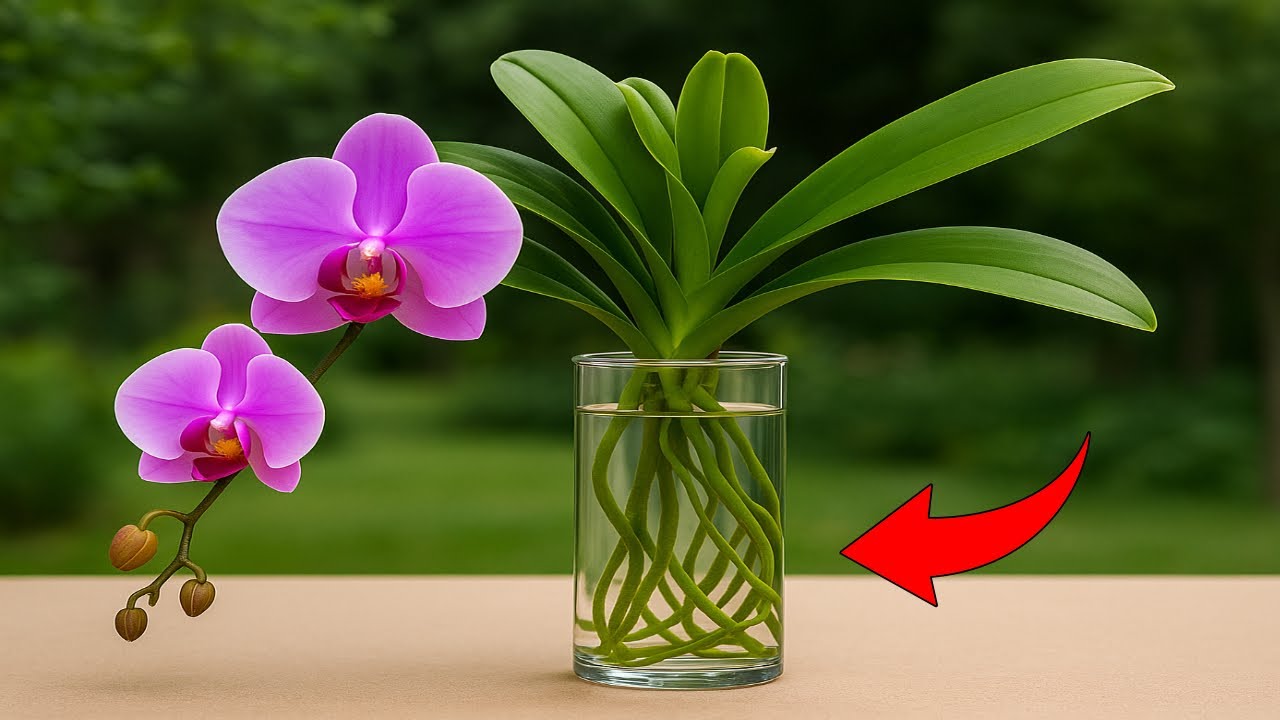
Discover 5 Secrets to Thriving Orchids with Fungus: Bloom Like Never Before!
Secrets to Thriving Orchids: Bloom Like Never Before
Are your orchids not flourishing as you expected? You may have chosen an ideal variety, but if they aren’t blooming, understanding how to meet their unique needs can feel overwhelming. Factors like light, humidity, and even pests can play a role in their development. While it takes some dedication to nurture these beautiful plants, you can unlock their potential with the right knowledge and practices. Continue reading to learn how to create the best environment for your orchids.
Understanding Orchids
Orchids are an incredibly diverse group of plants, known for their stunning blooms and varying requirements. Understanding your specific orchid type is the first step toward ensuring a vibrant bloom.
Species Variations
- Identify the species of your orchid—Phalaenopsis, Dendrobium, or Cattleya are common types.
- Research the distinct needs, including light exposure and watering frequency, for your specific orchid.
Cultivation Origins
Most orchids thrive in tropical climates, where they naturally grow on trees. This means they often require more specialized care compared to traditional houseplants.
Optimal Growing Conditions
Creating the right environment is crucial for your orchids’ success. Here are some key conditions to focus on.
Light Requirements
- Place your orchids in a spot where they receive bright but indirect sunlight. A south or east-facing window is often ideal.
- Avoid direct sunlight, which can scorch their delicate leaves.
Humidity and Temperature
- Maintain a humidity level of 40-70%. Placing a humidifier nearby can help.
- Keep your orchids in temperatures between 65°F and 75°F during the day and slightly cooler at night.
Care Tips for Orchids
Proper care practices can significantly enhance your orchids’ growth and flowering. Below are some essential tips.
Watering Essentials
Overwatering is a common issue that can lead to root rot. For optimal care:
- Water your orchids every 7-10 days, allowing the potting mix to dry slightly between waterings.
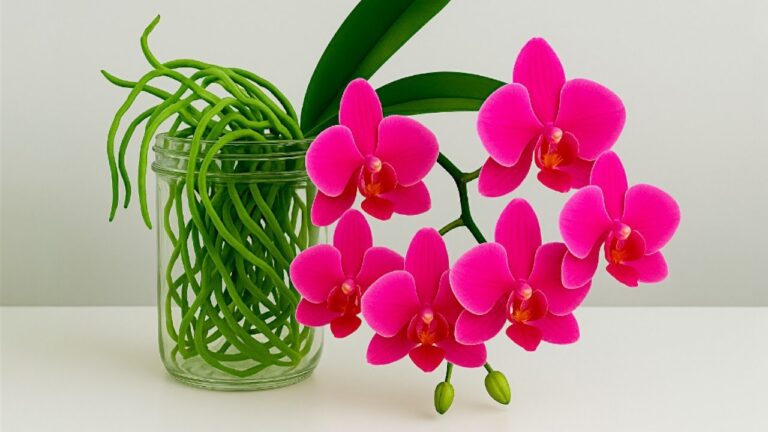
- Check the roots—they should appear green when hydrated and silvery when dry.
Fertilizing for Blooms
Using the correct fertilizer can make a significant difference in promoting blooms:
- Feed your orchids with a balanced orchid fertilizer every 2-4 weeks during the growing season.
- Dilute the fertilizer to half-strength to avoid over-fertilization, which can harm the roots.
Common Mistakes to Avoid
Avoiding certain pitfalls can ensure your orchids thrive. Here are some common mistakes to steer clear of:
Watering Issues
- Overwatering can suffocate the roots, leading to rot and disease.
- Neglecting to check the potting mix’s moisture level before watering can result in inadequate care.
Insufficient Pruning
Not pruning dead flowers and leaves can hinder new growth:
- Remove spent blooms and dead foliage to encourage energy directed toward new growth.
- Cut back spent flower spikes to encourage a new flowering cycle.
FAQ
What light conditions do orchids need?
Orchids require bright, indirect sunlight. Too much direct sunlight can damage their leaves.
How often should I water my orchids?
Water your orchids every 7-10 days, but let the potting mix dry slightly in between waterings.
Can I use regular fertilizer on orchids?
No, standard fertilizers can be too harsh. Use a balanced orchid-specific fertilizer instead.
With the right understanding and care techniques, your orchids can flourish beautifully. What unique challenges have you faced while growing orchids? Share your experiences in the comments below!