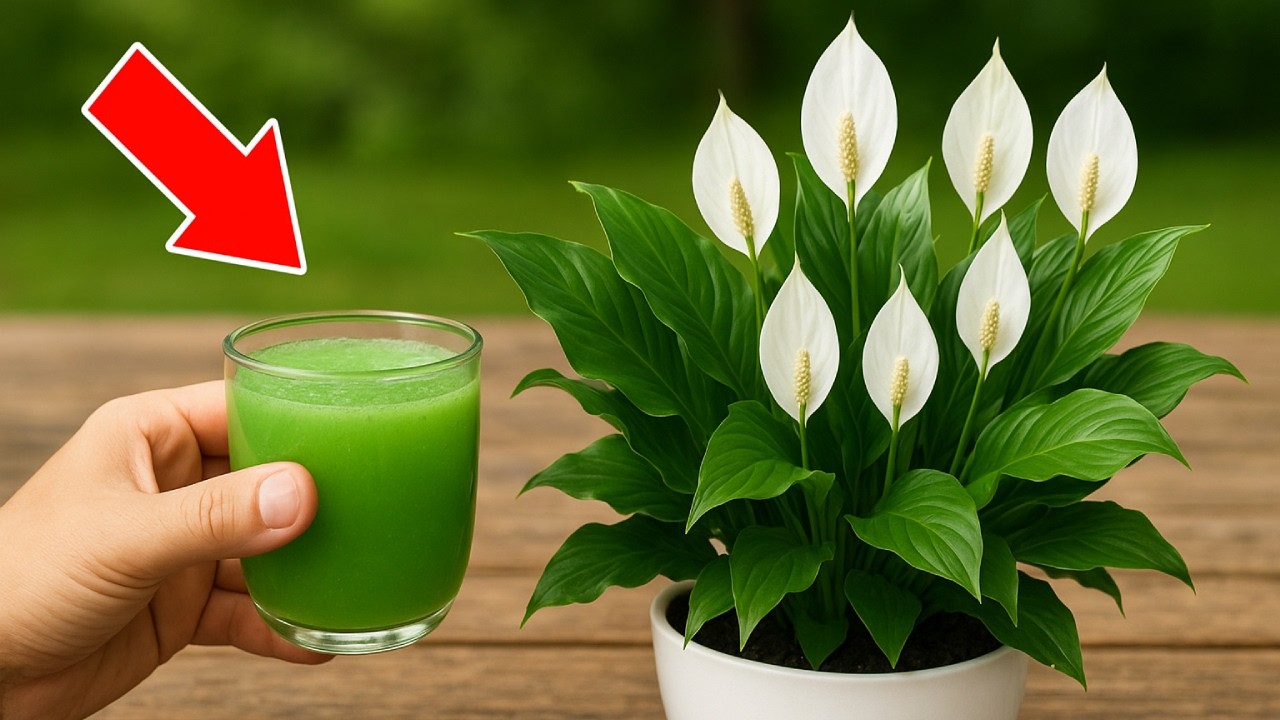
Transform Your Spathiphyllum: 1 Glass for a Blooming 24-Hour Makeover!
Transform Your Spathiphyllum: 1 Glass for a Blooming 24-Hour Makeover
- Introduction
- Understanding Spathiphyllum Care
- Materials Needed
- Step-by-Step Process for Blooming
- Common Mistakes to Avoid
- FAQ
- Conclusion
Introduction
Picture your lovely Spathiphyllum nestled in the corner of your living room, its lush green leaves glimmering under the soft light. However, despite your best efforts, it hasn’t blossomed in what feels like ages. You may wonder what you could do differently to revive its beauty and encourage those stunning white blooms. Read on to discover simple yet effective steps you can take to breathe new life into your sweet plant.
Understanding Spathiphyllum Care
Your Spathiphyllum, often dubbed the “peace lily,” thrives in a variety of conditions but still requires specific attention to flourish. Understanding its unique needs will help you create an environment conducive to blooming.
Watering Needs
- The soil should remain moist but not soggy. Water your plant when the top inch of soil feels dry.
- Consider using distilled or rainwater, as this plant is sensitive to fluoride and other chemicals in tap water.
Light Conditions
Spathiphyllums do best in bright, indirect sunlight. Too much direct sunlight can scorch their leaves, while too little light may hinder blooming.
Materials Needed
To enhance your Spathiphyllum’s chance of blooming, gathering a few supplies can be very helpful. Here are the materials you’ll need:
- 1 glass for water (preferably clear)
- 1 tablespoon of liquid plant food
- 1 pair of scissors for trimming
- 1 spray bottle filled with water for humidity
Step-by-Step Process for Blooming
1. Prepare Your Glass
Start by filling your glass with water and adding the liquid plant food. Stir it gently to combine.
2. Trim Dead or Brown Leaves
Use your scissors to carefully trim away any dead or brown leaves. This will help the plant focus its energy on new growth. Aim to cut above a leaf node to encourage further blooming.
3. Water and Fertilize Your Plant
Pour the prepared water carefully around the base of your Spathiphyllum, avoiding the leaves to prevent any disease. This nourishing solution will invigorate your plant.
4. Increase Humidity
To create a more humid environment, mist the leaves using your spray bottle. This can be particularly important during dry seasons or in heated rooms.
5. Position Your Plant Properly
Once you’ve completed the above steps, place your Spathiphyllum back in its spot where it gets ample indirect sunlight. Afterward, keep an eye on it over the next 24 hours for any changes!
Common Mistakes to Avoid
Even with the best intentions, certain mistakes can hinder the blooming of your Spathiphyllum. Here are a few to watch out for:
- Overwatering: Ensure the pot has proper drainage to prevent root rot.
- Under-fertilizing: Don’t neglect feeding—regular fertilization can promote blooming.
- Ignoring pests: Check for any signs of pests, which can sap the plant’s energy and resources.
- Wrong light exposure: Be vigilant about the light it receives; too much or too little can impact its growth.
FAQ
How often should I water my Spathiphyllum? Water your Spathiphyllum when the top inch of soil feels dry—typically every 1 to 2 weeks.
Will my Spathiphyllum bloom more than once? Yes, with proper care, your Spathiphyllum can bloom multiple times a year!
Can I propagate my Spathiphyllum? Yes, you can propagate it by dividing the root ball during repotting.
Conclusion
By following these focused steps, you can significantly boost the chances of your Spathiphyllum blooming again. It’s all about consistent care and creating the right environment. What techniques have you tried to help your plants thrive? Share your experiences with us in the comments!