10 Tips for Growing Celery in a Mini Greenhouse for a Bountiful Harvest
10 Tips for Growing Celery in a Mini Greenhouse for a Bountiful Harvest
- Introduction
- Optimal Conditions for Celery Growth
- Necessary Materials for Mini Greenhouse
- Step-by-Step Celery Growing Process
- Common Mistakes to Avoid
- FAQ
- Conclusion
Introduction
Have you ever wondered how to cultivate fresh, crisp celery right in your own backyard? If you’ve faced challenges in growing this vegetable, you’re not alone. Celery can be tricky, especially if you’re not aware of its specific needs. Whether you’re trying to maximize a small space or simply want to enjoy homegrown produce, your mini greenhouse could be the perfect solution. Keep reading to discover essential tips that will help you grow celery successfully.
Optimal Conditions for Celery Growth
To ensure a thriving celery crop, understanding its environmental needs is crucial.
Temperature and Humidity
Celery prefers cool temperatures and high humidity. Aim for:
- Maintain temperatures between 60°F to 70°F (15°C to 21°C).
- Ensure adequate humidity; consider misting your plants regularly.
Sunlight Exposure
Celery thrives in bright, indirect sunlight. Position your mini greenhouse to receive:
- At least 6 hours of light daily.
- Filtered light during the hottest parts of the day.
Necessary Materials for Mini Greenhouse
Having the right materials will set you up for a successful growing season. Here’s what you’ll need:
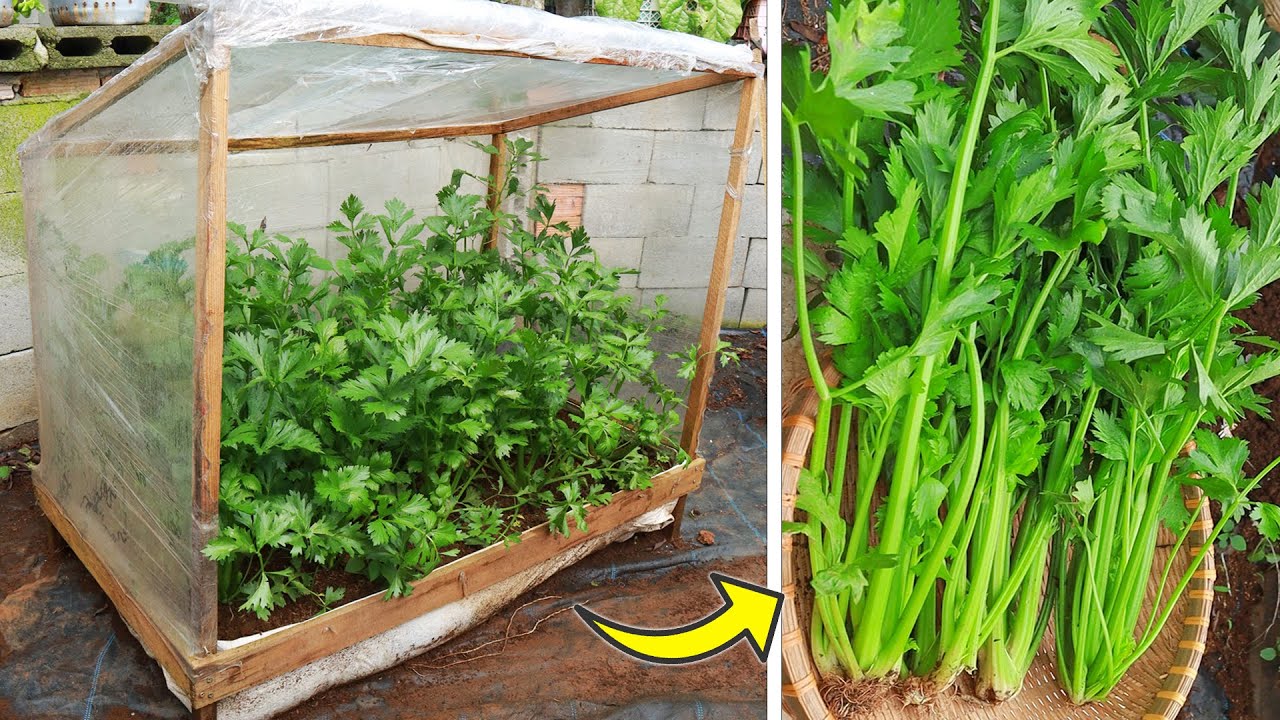
Mini Greenhouse Structure
- Choose a durable frame, such as PVC or metal.
- Use clear plastic sheeting to maintain warmth and humidity.
Soil and Fertilizers
Your soil choice can make all the difference. Opt for:
- A nutrient-rich potting mix.
- Organic fertilizers, such as compost or vermicompost.
Step-by-Step Celery Growing Process
Follow this guide to grow your own celery in a mini greenhouse:
Starting Seeds
- Fill seed trays with the potting mix.
- Plant celery seeds ¼ inch deep.
- Water thoroughly and cover with a light layer of plastic until germination.
Transplanting
Once seedlings are around 4 inches tall, you can transplant them into individual pots:
- Select pots that are at least 6 inches deep.
- Ensure proper spacing to allow robust airflow.
Watering and Maintenance
Monitor your celery’s growth closely:
- Water consistently to keep the soil moist but not soggy.
- Fertilize every 4-6 weeks to boost growth.
Common Mistakes to Avoid
Even experienced gardeners can encounter hiccups along the way. Here are some common mistakes to avoid:
- Overwatering can lead to root rot—only water when necessary.
- Neglecting pest management can harm your crop; be vigilant for aphids and other insects.
- Ignoring temperature changes—celery is sensitive, so monitor conditions regularly.
FAQ
What is the best time to plant celery?
Celery is best planted in early spring or late summer, depending on your local climate.
How often should I water my celery?
Celery needs consistent moisture, so water it whenever the top inch of soil feels dry.
Can I grow celery in containers?
Yes, celery grows well in containers as long as they are deep enough to accommodate the root system.
Conclusion
By following these thoughtful tips for growing celery in a mini greenhouse, you’ll be well on your way to enjoying a fresh harvest right at home. What has been your biggest challenge in growing vegetables? Share your thoughts in the comments!