10 Creative Soil-Free Garden Ideas You Can Try at Home Today!
10 Creative Soil-Free Garden Ideas You Can Try at Home
- Introduction
- Hydroponic Gardening
- Aeroponic Systems
- Container Gardening Techniques
- Common Mistakes to Avoid
- FAQs
- Conclusion
Introduction
Have you ever dreamed of growing your own fresh herbs and vegetables but felt limited by your gardening space? Many people find traditional soil-based gardening challenging, particularly if they live in apartments or homes without yards. Fortunately, there are exciting soil-free garden ideas that can help you cultivate healthy plants right in your home. These methods not only save space but also provide a unique way to connect with nature. In this article, we’ll explore 10 creative options you can easily implement today.
Hydroponic Gardening
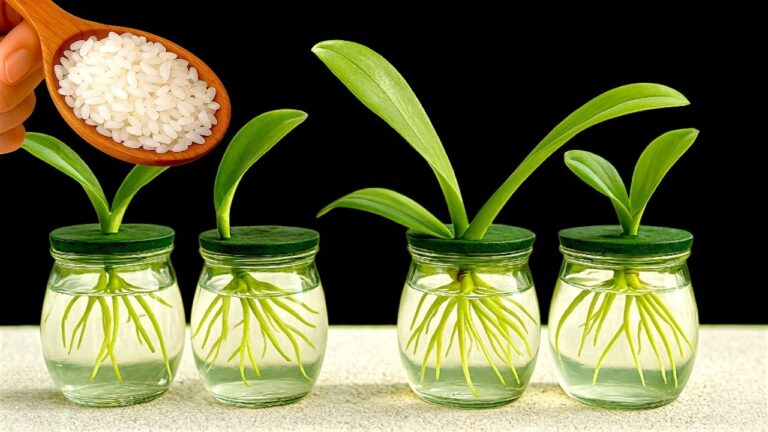
Hydroponics is an efficient method of growing plants without soil, using nutrient-rich water instead. This technique can be tailored for small or large spaces.
1. Basic Hydroponic Setup
- Choose a container: A plastic tub or storage container works great.
- Add water: Fill the container with water, leaving some space at the top.
- Mix nutrients: Add a hydroponic nutrient solution according to the instructions.
- Plant seedlings: Place seedlings in net pots filled with a growing medium, like clay pebbles, and insert them into the container.
2. Recommended Plants
- Leafy greens like lettuce and spinach
- Herbs such as basil and mint
- Small fruiting plants like strawberries
3. Tips for Success
Monitor the pH level of your water regularly, as it can affect plant growth. You may also want to use a grow light if natural sunlight is limited.
Aeroponic Systems
Aeroponics takes soil-free gardening to the next level by suspending plants in air and misting their roots with nutrient solution.
1. Setting Up an Aeroponic Garden
- Gather materials: You’ll need a spray system, a water reservoir, and a support structure for your plants.
- Assemble the system: Connect the spray nozzles to your reservoir and ensure they’re positioned to reach plant roots.
- Start your plants: Use cuttings or seedlings, securing them in the support structure where the roots will hang freely.
2. Ideal Plants for Aeroponics
- Herbs like rosemary and cilantro
- Vegetables such as peppers and cucumbers
- Flowers that can be grown quickly, like orchids
3. Managing Your Aeroponic System
Consistent monitoring is essential. Regularly check your misting schedule to ensure roots are sufficiently hydrated but not waterlogged.
Container Gardening Techniques
Container gardening allows you to grow a variety of plants in limited spaces, and it can be done without traditional soil using various media.
1. Choosing Your Containers
- Pick the right size: Determine the type of plants you want to grow and select containers that can accommodate their growth.
- Select a growing medium: Use alternatives like coconut coir, peat moss, or vermiculite instead of soil.
- Ensure drainage: Make sure your containers have drainage holes to prevent overwatering.
2. Creative Planting Ideas
- Vertical gardening with stacked containers
- Using hanging baskets for herbs and small vegetables
- Repurposing items like old buckets or wooden crates as planting containers
3. Maintenance Tips
Check the moisture level regularly and adjust your watering routine based on the type of medium and plant needs.
Common Mistakes to Avoid
When exploring soil-free garden ideas, it’s essential to be aware of common pitfalls to ensure your gardening success.
1. Overwatering
It’s easy to think that more water equals more growth, but this can lead to root rot and other issues.
2. Ignoring pH Levels
Failing to check the pH can hinder nutrient absorption, leading to poor plant health.
3. Poor Lighting
Without adequate light, your plants may become leggy and weak. Be sure to provide enough light, whether from the sun or artificial sources.
FAQs
What are the benefits of soil-free gardening?
Soil-free gardening can save space, reduce pests and diseases associated with soil, and allows for year-round gardening options.
Can I grow all types of plants using these methods?
Not all plants thrive in soil-free systems. Leafy greens, herbs, and smaller fruiting plants tend to do best.
How do I maintain my soil-free garden?
Regularly check nutrient levels, pH balance, and watering schedules to ensure optimal growth conditions for your plants.
Conclusion
Embracing soil-free garden ideas offers an excellent way to grow plants in creative and space-efficient ways. Whether you opt for hydroponics, aeroponics, or container gardening, each method has its unique advantages. Have you tried any soil-free gardening techniques at home? Share your experience in the comments below!