8 Proven Tips for a Bountiful Beet Harvest
8 Proven Tips for a Bountiful Beet Harvest
Curious about how many delicious meals and preserves you can create from a bountiful beet harvest? Whether you’re a seasoned gardener or just starting, cultivating beets can be incredibly rewarding. Here are some essential tips to ensure your best beet crop yet.
Understanding the Nature of Gardening
Gardening can be unpredictable. One season, you might have an abundance of zucchini but barely any tomatoes; the next, the opposite could be true. Factors like hail, drought, and flooding affect your harvest. However, beets are a resilient choice for any garden.
It’s wise to grow vegetables you love, alongside those more nutritious options. Beets rank high on the list of nutrient-dense vegetables, providing health benefits while offering diverse culinary applications.
The Not-So-Secret Secrets to Growing Beets
Many believe that an abundant garden requires scientific methods, but love, compost, and homemade fertilizers can work wonders. If your ancestors could grow beets successfully, so can you!
How to Grow Your Best Beets Ever
1. Choose the Right Location
Beets thrive in partial shade to full sun, requiring about 6–8 hours of sunlight daily. If you have limited sunlight, they can still grow well for their greens.
Optimal soil for beets is loose and well-draining to prevent waterlogging. If your soil is heavy, consider growing smaller beet varieties or growing them in containers for a leafy harvest.
2. Plant at the Right Time
Beets prefer cool seasons, which is crucial for avoiding summer’s intense heat. Plant them about one month before the last predicted spring frost when soil temperatures reach around 50°F. For a fall harvest, sow seeds 4–6 weeks before the first expected frost.
3. Correct Planting and Spacing
Soaking seeds isn’t necessary but can help with germination in uncertain weather. Plant seeds ½ to 1 inch deep, spacing them 2–4 inches apart. Thin out excess seedlings for crunch in salads and sandwiches or transplant them elsewhere.
For continuous harvesting, sow seeds every few weeks. If you practice square foot gardening, you can expect to harvest 9 to 16 plants per square, depending on the variety.
4. Utilize Companion Planting
Companion planting involves pairing beets with herbs and vegetables to boost growth and deter pests. Good companions include:
- Bush beans
- Brassicas (broccoli, cabbage, etc.)
- Garlic
- Herbs (hyssop, mint, thyme, rosemary)
- Lettuce
- Onions
- Radishes
Avoid planting with pole beans, chard, and mustard, and experiment to see what works best in your garden.
5. Explore Different Beet Varieties
Don’t limit yourself to traditional red beets; try a range of varieties:
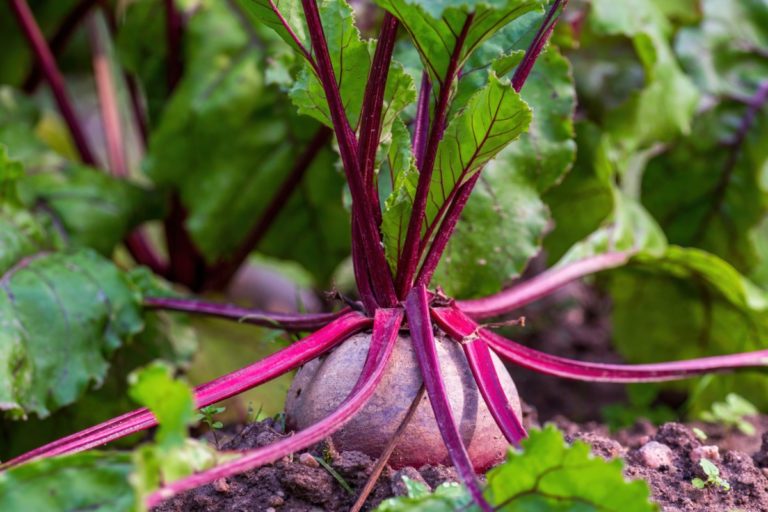
- Chioggia Beets: Candy cane stripes, sweet, ready in 60 days.
- Cylindra: Great for pickles, grows long and ready in 50–70 days.
- Golden Beet: Sweeter than red, perfect for roasting.
- Early Wonder: Quick-growing, ideal for container gardening.
6. Provide Care and Attention
Here are some essential tips for caring for your beets:
- Be patient; seeds take about a week to germinate.
- Keep the soil moist during germination.
- Water beets with about 1 inch of rain weekly.
- Remove damaged leaves to encourage growth.
- Harvest young beets when they are 1–2 inches in diameter.
- Avoid excess fertilizer to prevent smaller roots.
- Follow early crops like lettuce with mid-summer beets.
7. Harvesting Tips
Don’t wait until all beets are ready for harvesting. Instead, thin them out and use the small ones early on. Beets are usually ready when roots reach about an inch in diameter, and greens can be snipped periodically.
Keep an eye on the weather; harvest before frost hits, and be sure to leave the root stem intact to avoid bleeding during handling.
8. Utilize the Whole Plant
Your beet greens are entirely edible and delicious! Unlike store-bought beets, you can harvest them repeatedly. Steamed or sautéed like spinach, their nutritional value is impressive.
Beetroots can be pickled, roasted, juiced, or added to various dishes, ensuring nothing goes to waste.
Conclusion
Beets are not only easy to grow; they’re also nutrient-rich and rarely troubled by pests. In just 6–8 weeks, you can enjoy a dish of homemade borscht. With numerous health benefits, including fiber and antioxidants, beets are a fantastic addition to your garden. So, are you ready to plant another row of these versatile vegetables?